Pixxel Hyperspectral Imagery — A New Way of Seeing Earth
Pixxel’s hyperspectral satellites are redefining how we observe the planet, capturing the unique spectral fingerprint of materials, vegetation and surfaces across hundreds of narrow, contiguous bands. The result is unmatched precision to detect change early, monitor in extraordinary detail and drive future-ready decisions.
Pixxel’s Firefly Satellites | A New Way of Seeing Earth
A New Standard in Spectral Imaging
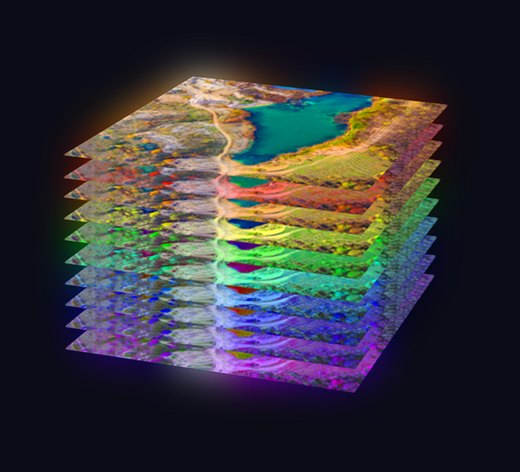
By measuring reflected light across hundreds of narrow, contiguous spectral bands, hyperspectral imaging identifies patterns and anomalies that traditional sensors miss — enabling reliable analysis in even the most dynamic environments.
Small Satellites, Big Vision
Pixxel is building the world’s most advanced hyperspectral constellation with proprietary in-house sensors — 5-metre spatial resolution, 250+ VNIR and SWIR bands, a 40 km swath and a 24-hour revisit, delivering timely, targeted insights from space.
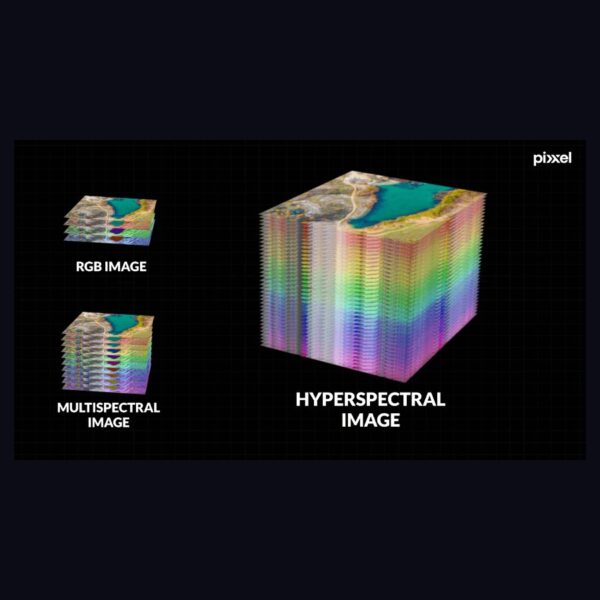
Hyperspectral vs Multispectral vs RGB
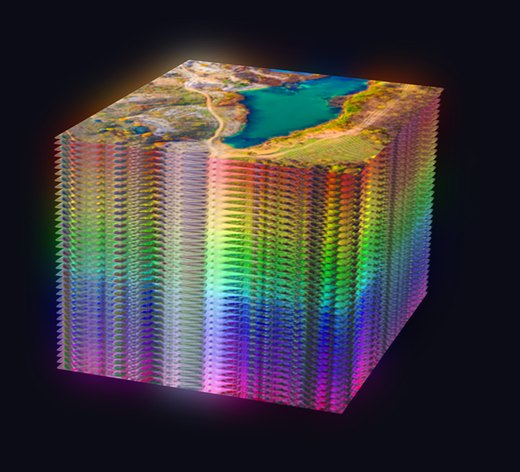 Hyperspectral Imaging Hyperspectral Imaging |
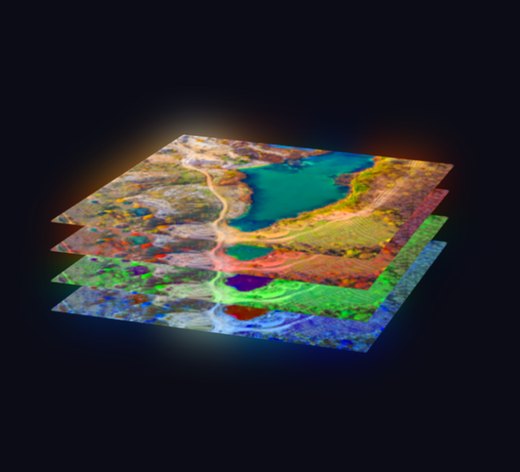
 Multispectral Imaging Multispectral Imaging |
 RGB Imaging RGB Imaging |
|
|---|---|---|---|
| Bands | 37–100+ | 4–12 | 3 |
| Spectral range | Visible to Short-Wave Infrared | Visible & Near-Infrared | Visible |
| Output | Detailed spectral signatures | Composite images with selected bands | Natural-colour images |
| Applications | Advanced, high-precision use cases | Targeted spectral analysis | Basic visual interpretation |
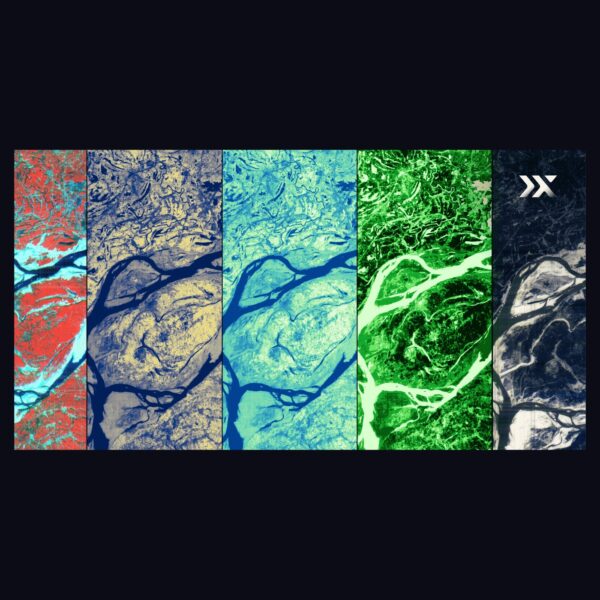
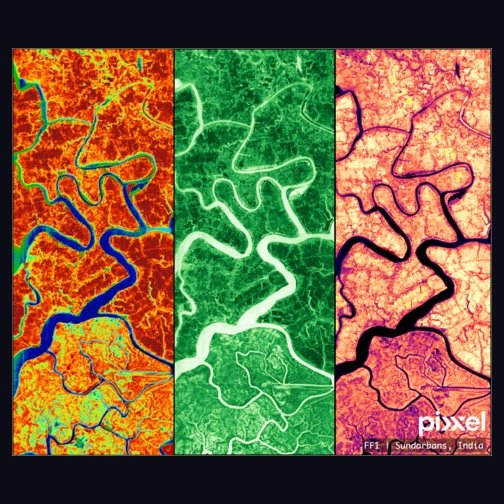
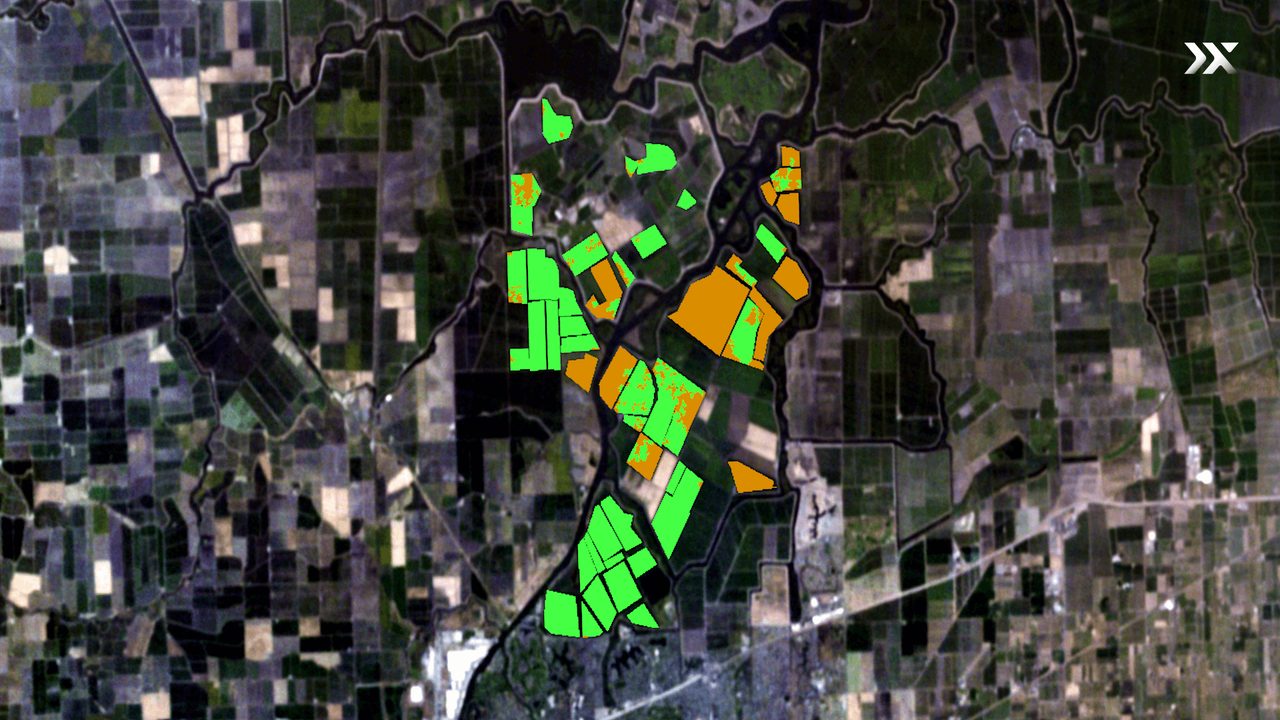
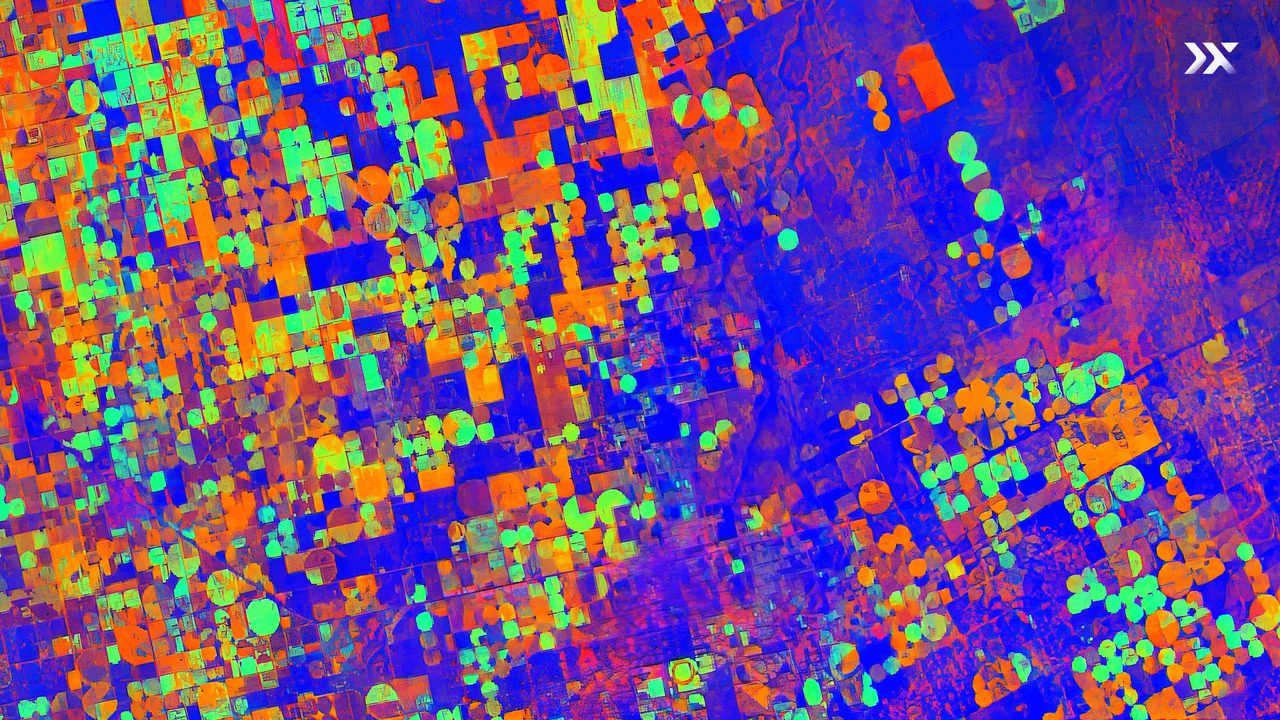
Browse the Latest Hyperspectral Imagery
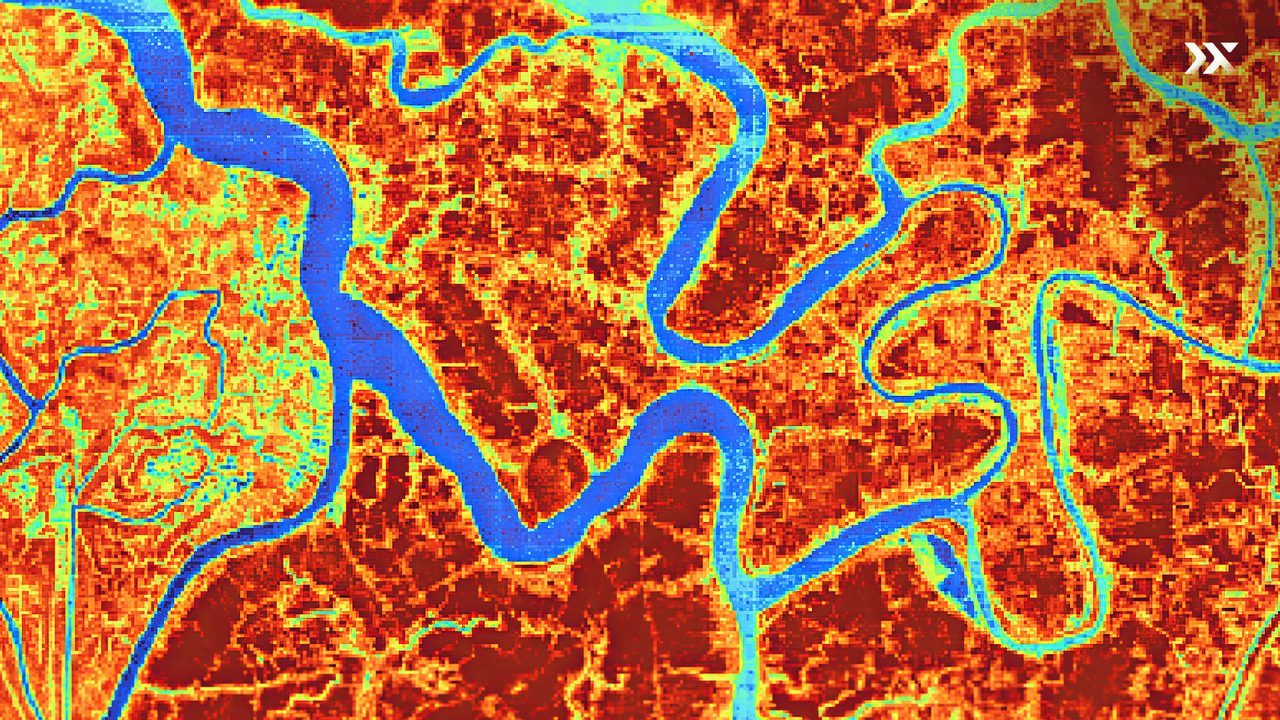
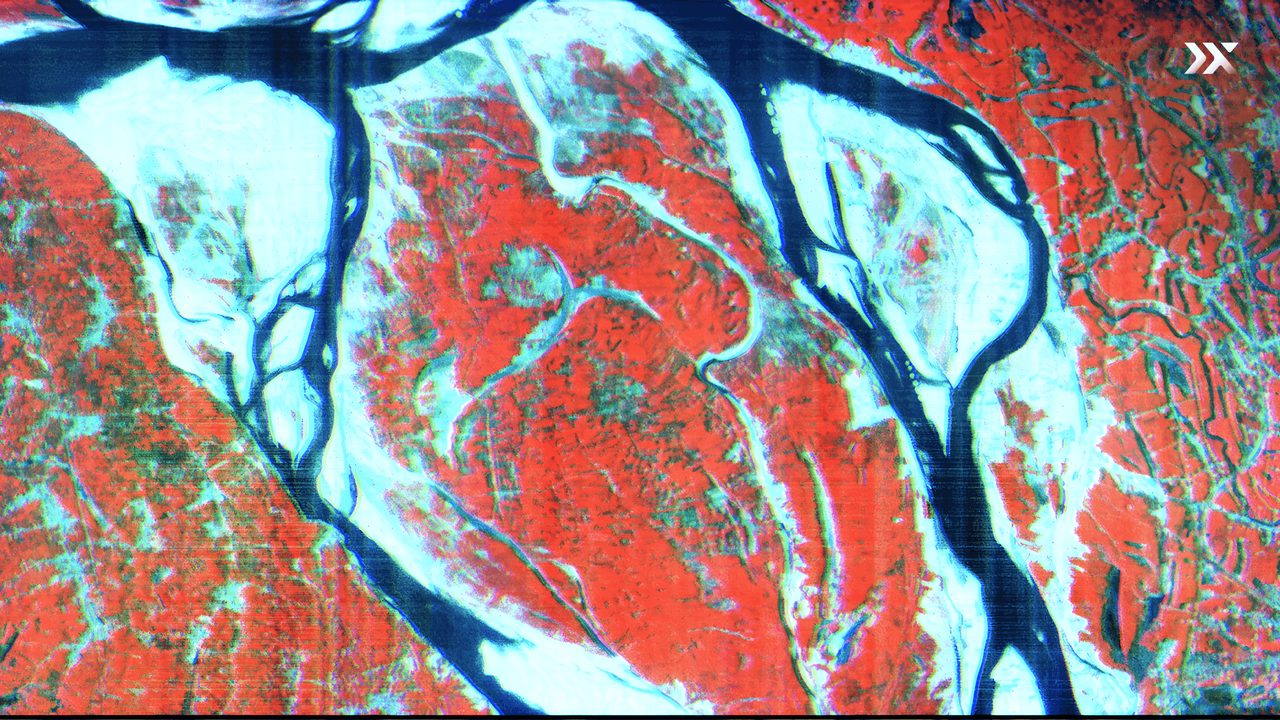
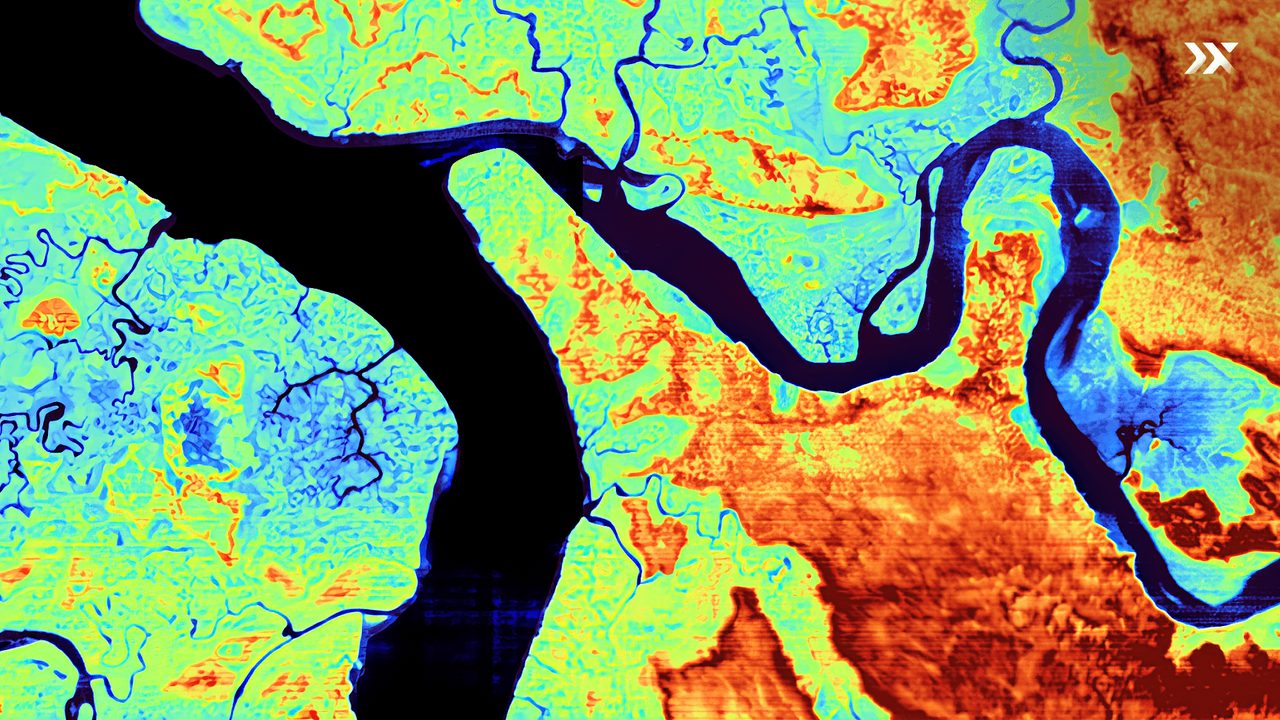
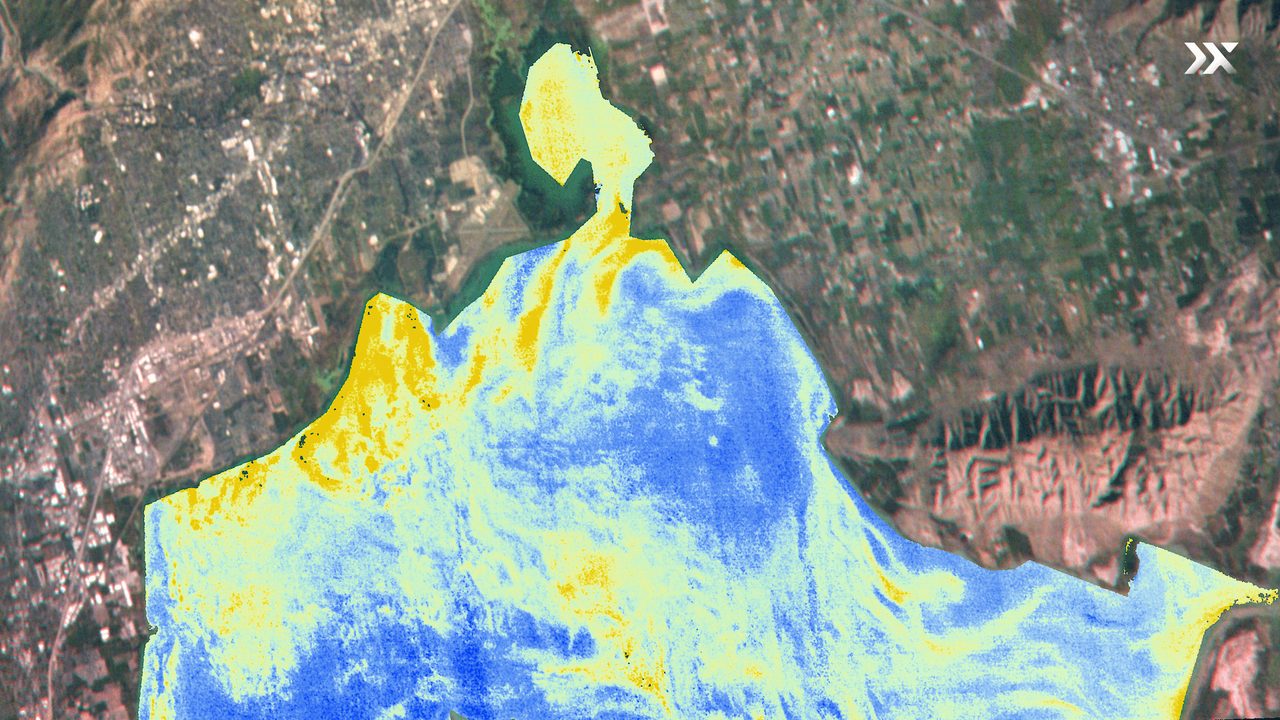
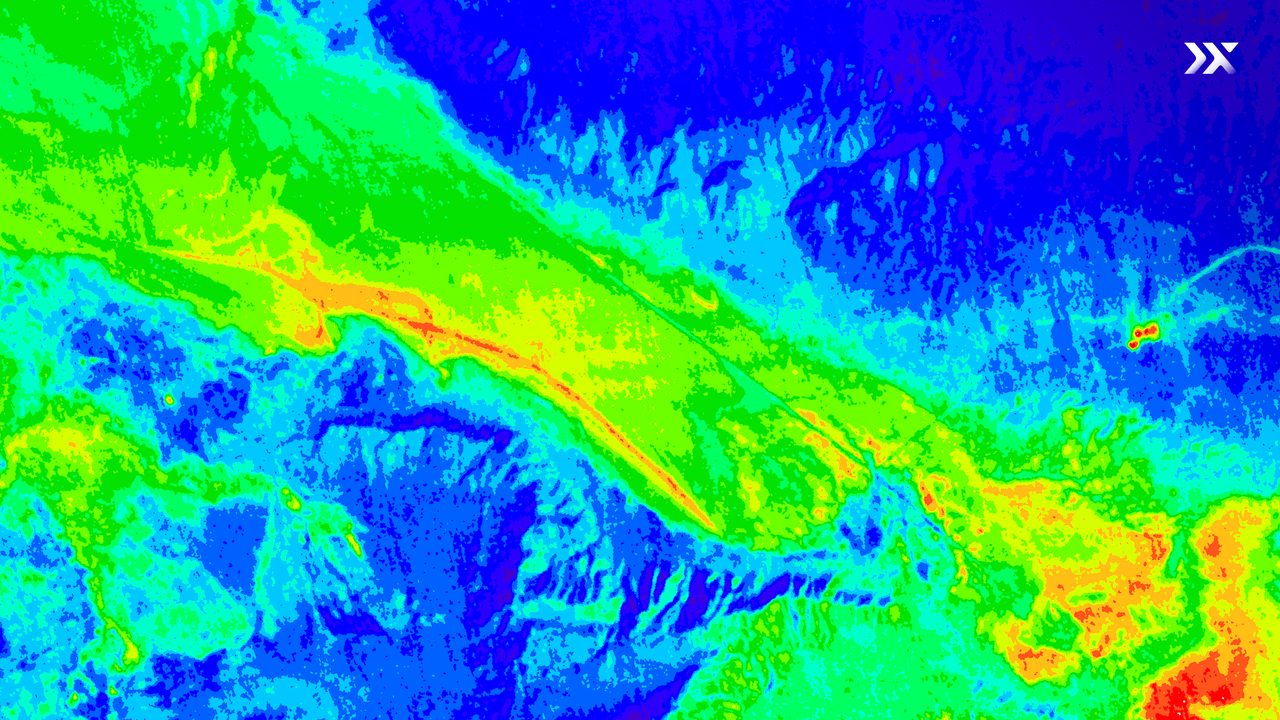
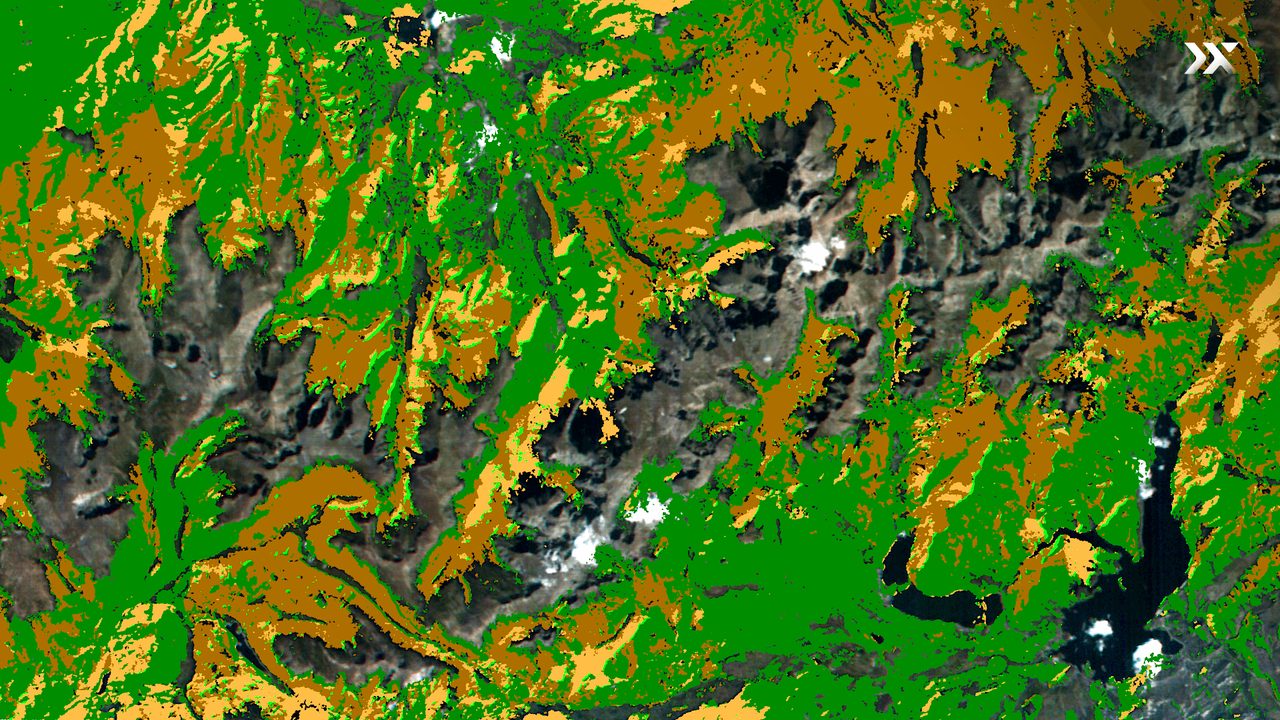
Intelligence Across Every Industry
Hyperspectral imaging delivers a richer understanding of Earth’s surface — composition, condition and change — helping industries adapt faster and operate more efficiently.




Service & Warranty
Pixxel hyperspectral imagery is delivered as a data service through the Aurora Earth Observation Studio, with archive access and new tasking over your area of interest. GulfNet Emirates handles regional ordering, delivery and support across the UAE and wider GCC. Request a quote for tasking, archive or recurring-monitoring packages.
Key Specifications
| Sensor type | Hyperspectral (VNIR + SWIR) |
|---|---|
| Spectral bands | 250+ |
| Spectral range | Visible to Short-Wave Infrared (VNIR–SWIR) |
| Spatial resolution | 5 m |
| Swath width | 40 km |
| Revisit frequency | 24 hours |
| Constellation | Firefly |
| Output modes | Hyperspectral (37–100+), Multispectral (4–12), RGB (3) |
| Delivery | Via Aurora EO Studio — tasking or archive |
| Applications | Agriculture, energy, environment, forestry, mining, government |
Frequently Asked Questions
Where can I buy Pixxel Hyperspectral in Dubai?
Pixxel Hyperspectral Imagery is available through GulfNet Emirates, which is based at Al Fattan Plaza in Dubai and handles regional ordering and delivery across the Emirates. Buyers can request archive scenes or new tasking over a specific area of interest, and the imagery is delivered as a data service through Pixxel’s Aurora Earth Observation Studio. GulfNet’s DRS storefront is the direct route to buy pixxel hyperspectral imagery for agriculture, mining, environmental monitoring, government use cases and more. Every order is scoped against the buyer’s geography, revisit needs and preferred output mode, so procurement teams get a package matched to the project rather than a generic subscription. Contact the Dubai office to start a scoping conversation or submit a request through the online quote form.
How much is Pixxel Hyperspectral, and how is pricing worked out?
Pixxel Hyperspectral imagery pricing is quote-based, not fixed on a shelf tag. The pixxel hyperspectral imagery price depends on whether the order is archive imagery over an existing scene, a fresh tasking over a defined area of interest, or a recurring monitoring package with regular revisits. Coverage size, output mode (hyperspectral, multispectral or RGB), and delivery cadence all feed into the final figure. The Pixxel Hyperspectral price in UAE is scoped against the specific project brief, so a one-off mineral mapping scene in a mining lease and a rolling monthly agriculture monitoring cycle sit at very different price points. GulfNet Emirates prepares the quotation directly, factoring in the tasking window and any bundled processing support.
Is Pixxel Hyperspectral available in the UAE through an authorised distributor?
Yes. Pixxel Hyperspectral is available in the UAE through GulfNet Emirates, which acts as the regional Pixxel distributor UAE buyers can order from without going through overseas channels. Working with an authorised Pixxel dealer Dubai based means faster scoping calls, invoicing in AED where required, and a local point of contact for tasking requests and delivery timelines. GulfNet handles the ordering flow into the Aurora Earth Observation Studio and coordinates on archive lookups, priority tasking or repeat coverage. This matters for government tenders and enterprise procurement teams that require a UAE-registered supplier on the paperwork. Enquiries can be routed through the Dubai office or the DRS request-a-quote form.
Who sells Pixxel Hyperspectral in the UAE, and how do I identify a trustworthy source?
GulfNet Emirates sells Pixxel Hyperspectral imagery in the UAE and the wider GCC. To identify a trusted seller of Pixxel Hyperspectral in the UAE, look for a supplier that is listed against the Pixxel brand, orders directly into the Aurora Earth Observation Studio, and can produce a formal quotation with clear tasking parameters and delivery terms. GulfNet meets all three: it operates under the Pixxel brand on the DRS storefront, handles tasking and archive requests through the official pipeline, and issues quotations tied to a defined area of interest and coverage schedule. Buyers can verify the listing on the DRS storefront and contact the Dubai office directly for procurement paperwork or a scoping call.
Can I Buy Pixxel Hyperspectral online in UAE, or is it strictly quote-based?
Pixxel Hyperspectral imagery is not sold as a fixed cart checkout item because every order is scoped around a specific area of interest and coverage window. The pixxel hyperspectral imagery for sale through GulfNet Emirates is instead handled through an online quote request on the DRS storefront, where buyers specify the geography, output mode and revisit frequency they need. Once the request is in, GulfNet returns a scoped quotation and confirms delivery through the Aurora Earth Observation Studio. This model suits buyers running defined projects: environmental compliance, agriculture, mining exploration, forestry inventories or asset monitoring. It avoids the mismatch of pre-priced bundles that fail to line up with an actual project footprint.
What’s the best place to buy Pixxel Hyperspectral in the UAE for enterprise projects?
For enterprise buyers, GulfNet Emirates is the practical procurement route for Pixxel Hyperspectral Imagery in the UAE. The company operates a dedicated Drones and Robotic Solutions storefront that lists Pixxel alongside other Earth observation and mapping tools, so procurement teams can consolidate satellite tasking, drone hardware and photogrammetry software under one supplier. Enterprise projects benefit from AED-denominated quotations, a Dubai-based point of contact, and scoping conversations that account for area size, revisit needs and output modes. Whether the project is a one-off mineral mapping campaign, a rolling agriculture monitoring programme or a government environmental assessment, orders flow into Pixxel’s Aurora Earth Observation Studio through GulfNet’s regional pipeline.
Is there a Pixxel Hyperspectral supplier in Abu Dhabi that services the wider region?
GulfNet Emirates operates from Dubai but supplies Pixxel Hyperspectral imagery to buyers across the UAE, including Abu Dhabi, and into the broader GCC. Because the imagery is delivered as a data service rather than a physical shipment, there is no logistical barrier to buy pixxel hyperspectral imagery in UAE from any emirate. The order is captured, tasking is scheduled through the Aurora Earth Observation Studio, and delivered scenes are made available to the buyer’s account. As a Pixxel dealer UAE clients can rely on, GulfNet handles quotation, invoicing and post-delivery support the same way for an Abu Dhabi government agency, a Sharjah utility or a mining operator working further afield in the region.
How do I Get a quote for Pixxel Hyperspectral over my area of interest?
Share the coordinates or boundary of the target area, the output mode needed (hyperspectral, multispectral or RGB), and the revisit or one-off tasking requirement. GulfNet Emirates uses those inputs to price archive access, fresh tasking or a recurring monitoring package. Buyers can submit the request through the DRS request-a-quote page or contact the Dubai office directly with a project brief. Turnaround on the quotation is fast, and Pixxel Hyperspectral for sale in Dubai and across the GCC follows the same request flow. Once approved, the order moves into the Aurora Earth Observation Studio, and scene delivery is scheduled against the 24-hour revisit capability of the Firefly constellation.
Can I Book a Pixxel Hyperspectral demo in Dubai before committing to a package?
Buyers evaluating hyperspectral data for the first time can request a Pixxel Hyperspectral demo through GulfNet Emirates. Because the product is delivered via the Aurora Earth Observation Studio, a demo typically walks through sample scenes from the Firefly constellation, the available output modes, and how the 250+ VNIR and SWIR bands translate into usable insight for the buyer’s specific industry, whether that is agriculture, mining, energy, forestry, environment or government. The session gives procurement and technical teams a chance to test workflows against real imagery before scoping a full order. Interested buyers can request a demo through the Dubai office and confirm timing based on the project decision window.
What does the Pixxel Hyperspectral Imagery price UAE quotation typically cover?
A quotation is scoped per project rather than sold as a fixed licence. It typically covers the tasking or archive scenes over the defined area of interest, delivery through the Aurora Earth Observation Studio, and the output modes requested, which can include the full 250+ band hyperspectral product, multispectral composites or RGB. Coverage against the 40 km swath, spatial resolution at 5 metres, and revisit cadence up to 24 hours are all factored in. Recurring monitoring packages are priced against the frequency and area, while one-off orders are priced against the single tasking or archive pull. GulfNet Emirates confirms all inclusions in writing before an order is placed.
What support does a Pixxel Hyperspectral dealer in UAE provide after the order is placed?
A regional dealer such as GulfNet Emirates stays involved after the initial order rather than stepping out once the quotation is signed. Support covers coordinating tasking schedules with Pixxel, confirming scene delivery through the Aurora Earth Observation Studio, and helping the buyer align output modes with downstream workflows, whether the data is being pulled into GIS platforms, agronomy tools, mineral mapping software or environmental compliance reporting. For recurring monitoring packages, GulfNet manages the ongoing tasking cadence and flags any coverage adjustments needed as the project scope shifts. This continuity matters most for enterprise and government buyers running multi-month monitoring programmes across the UAE and GCC.