Inspection Challenges Demand Smarter Solutions

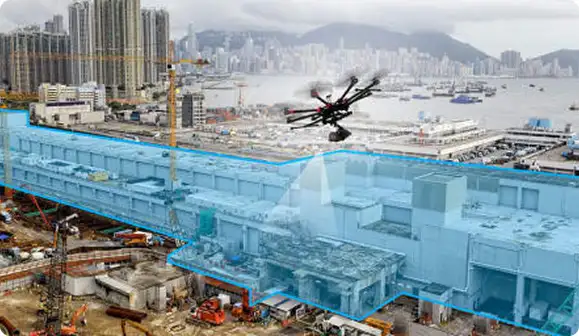
Across GCC have been operating in environments characterised by vast geographies, complex infrastructure, harsh climatic conditions and increasing regulatory expectations. Traditional methods of inspection pose risks of personnel exposure, production halt, and missing critical defects. This is where our smart drone solutions come in. We assist organizations in addressing visibility gaps, operational inefficiencies and safety issues by providing real-time aerial intelligence, automated inspections and actionable insights.

hse-access-risk
Safety Risks

Manual inspections at height endanger teams and delay maintenance cycles.

unplanned-downtime
Operational Shutdowns

Facility closures for inspections cost thousands per hour in lost production.

fragmented-evidence
Incomplete Data

Ground-level assessments miss corrosion, leaks, and structural issues in inaccessible areas.

asset-integrity
Compliance Pressure

Regional HSE standards require frequent, documented inspections with verifiable records.

Comprehensive Drone Services for Energy Assets

Deploy thermal, visual, and gas detection drones throughout your facilities with precision.

thermal-flare

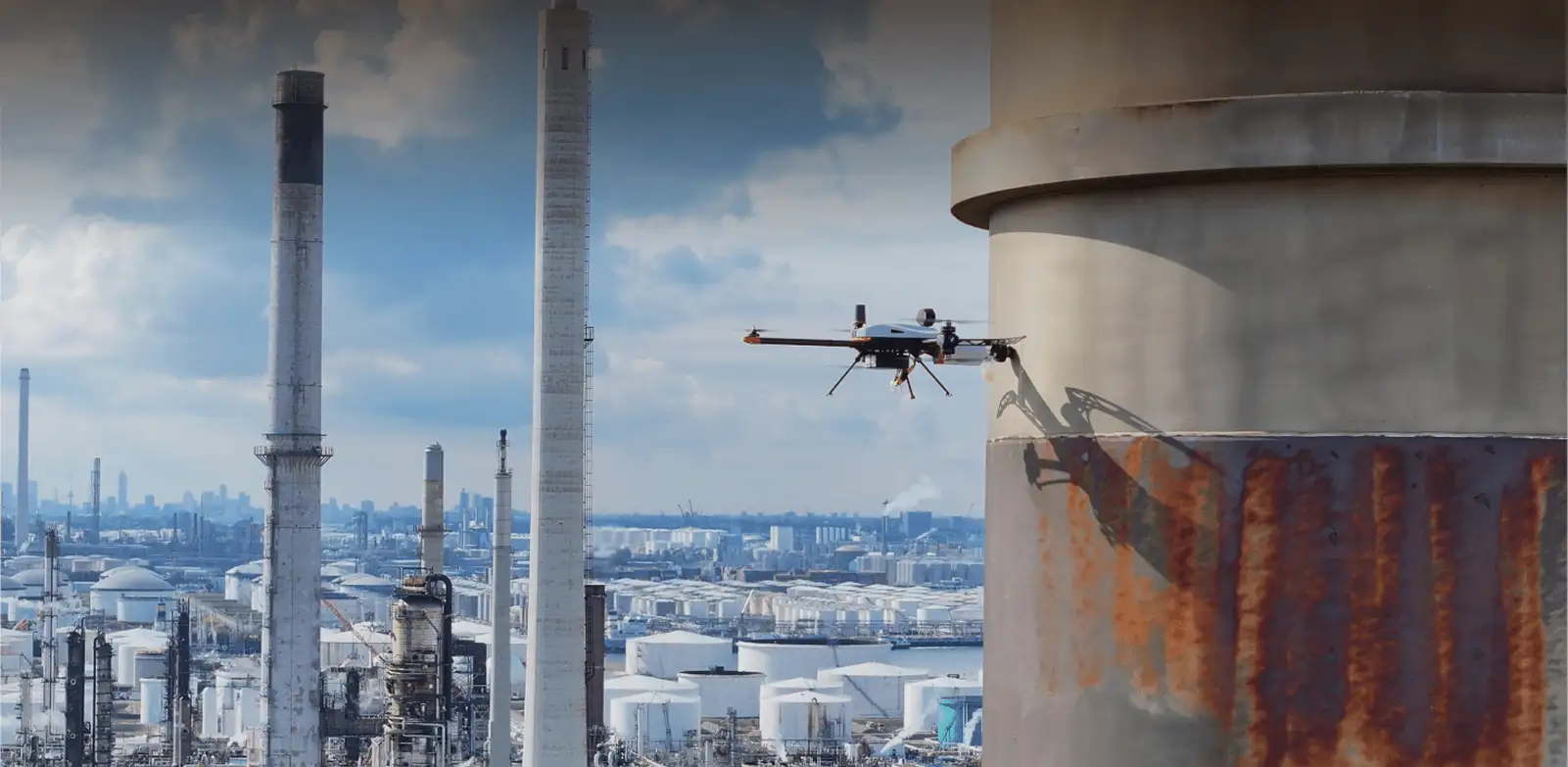
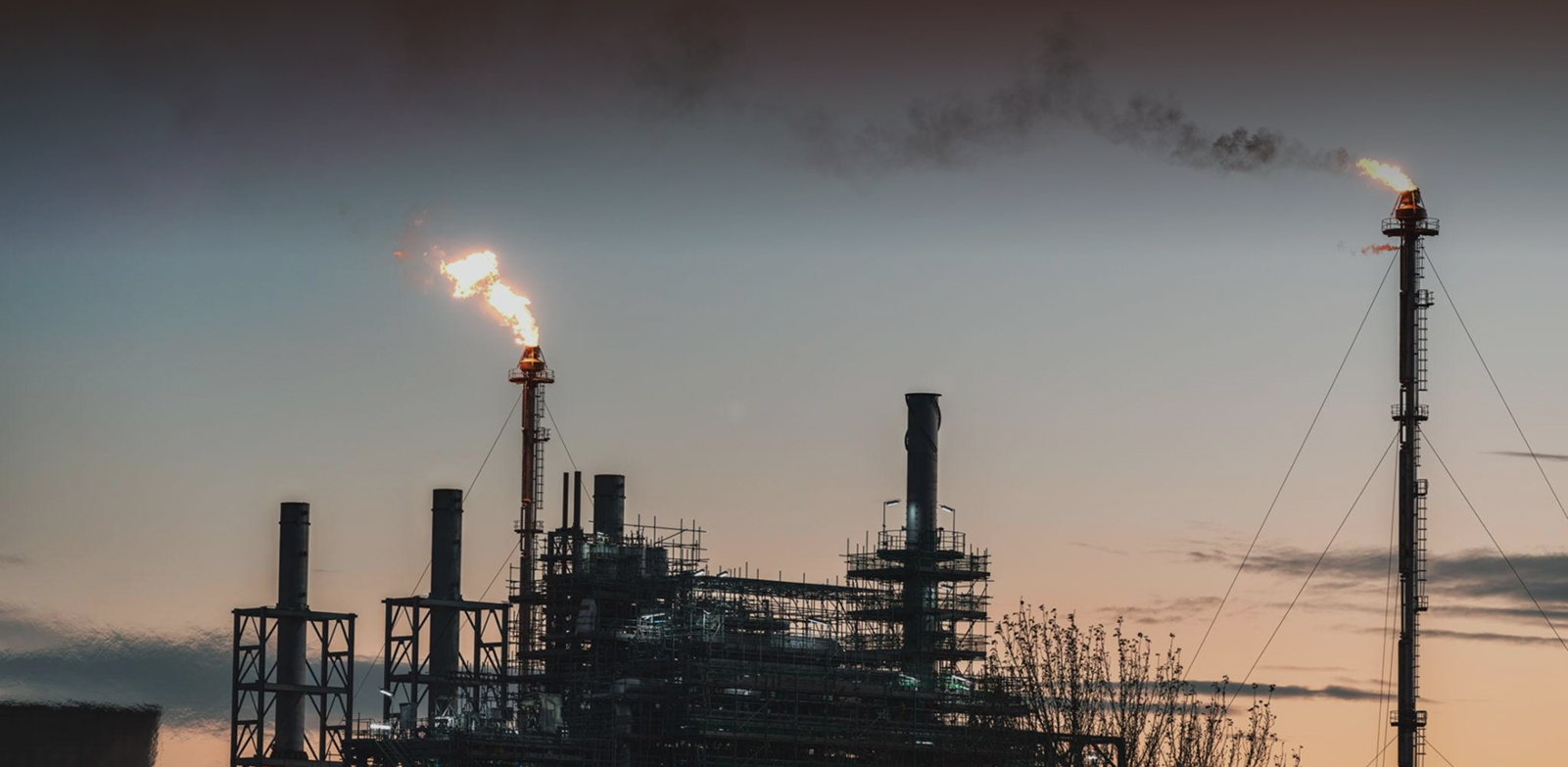
Thermal Flare Stack Monitoring

Detect combustion inefficiencies and structural damage on flare systems with high resolution thermal imaging without shutdowns or scaffolding. 

  • Detect hotspots indicating internal corrosion damage 
  • Capture real-time temperature distribution mapping instantly
  • Eliminate fall risks and confined-space entry requirements 
automated-pipeline

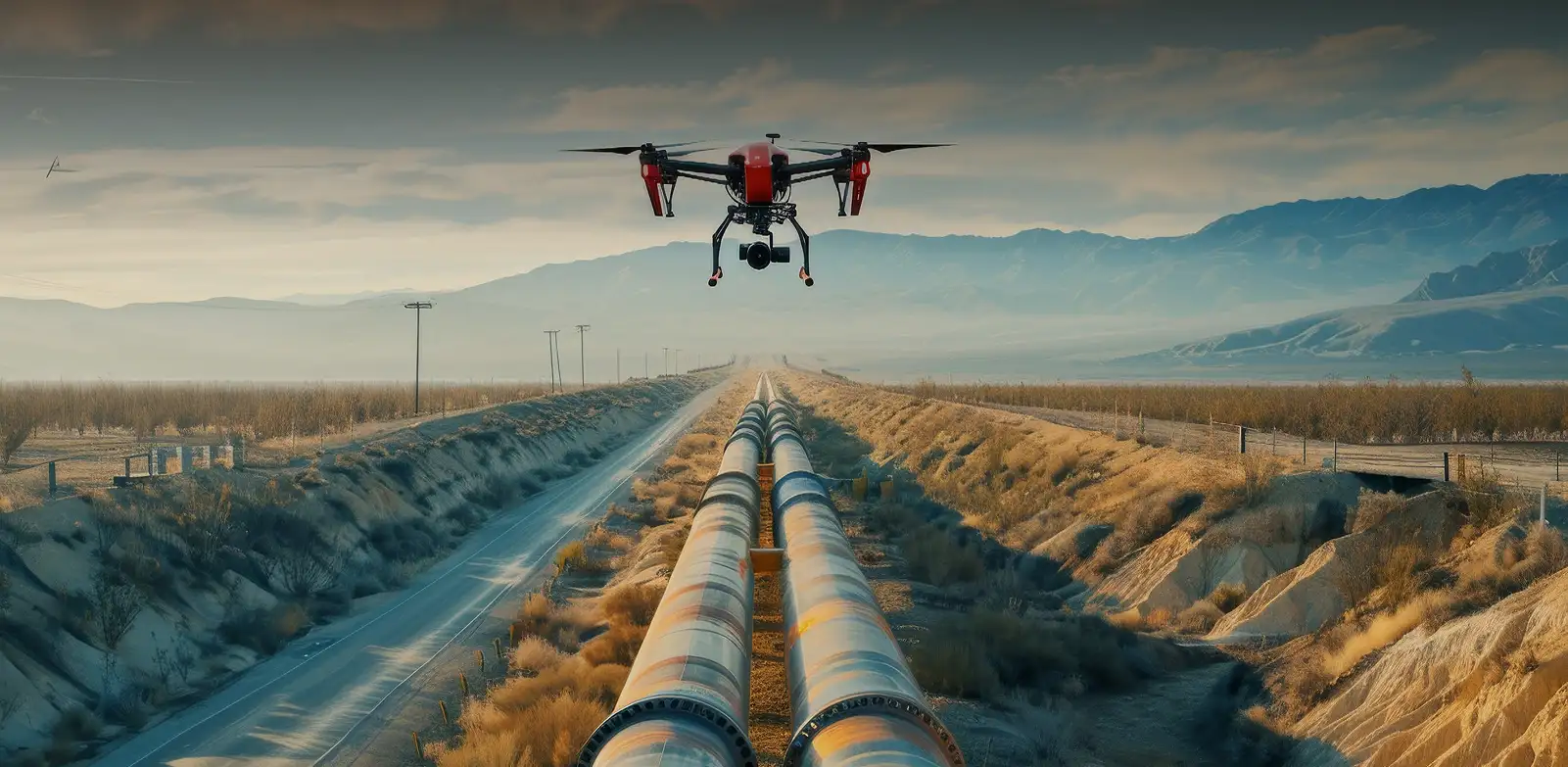
Automated Pipeline Corridor Inspection

Monitor hundreds of kilometers worth of pipelines with autonomous drones which can detect leaks, encroachments and risk of ground movement through AI powered analysis. 

  • Identify methane leaks invisible to human inspectors 
  • Map vegetation encroachment and third-party interference automatically 
  • Generate geo-tagged defect reports within hours daily 
external-tank

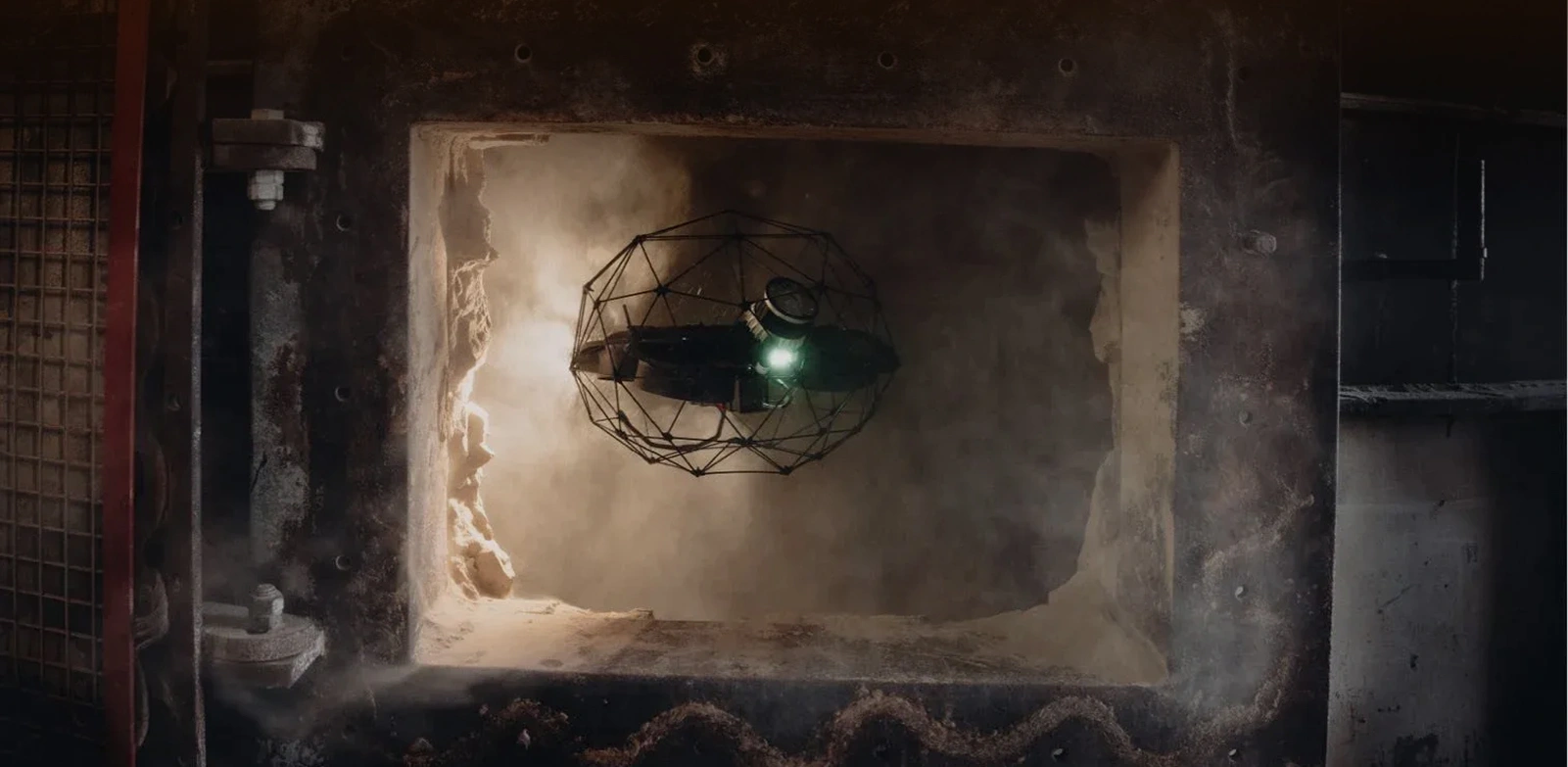
External Tank Condition Analysis

Inspect Floating roof tanks, pressure vessels and spherical storage using visual and thermal sensors to detect thinning of shells, coating failures and settlement issues.

  • Measure coating degradation without tank entry procedures
  • Identify seal leaks reducing vapor loss efficiently
  • Document roof condition and support structure integrity 
remote-offshore

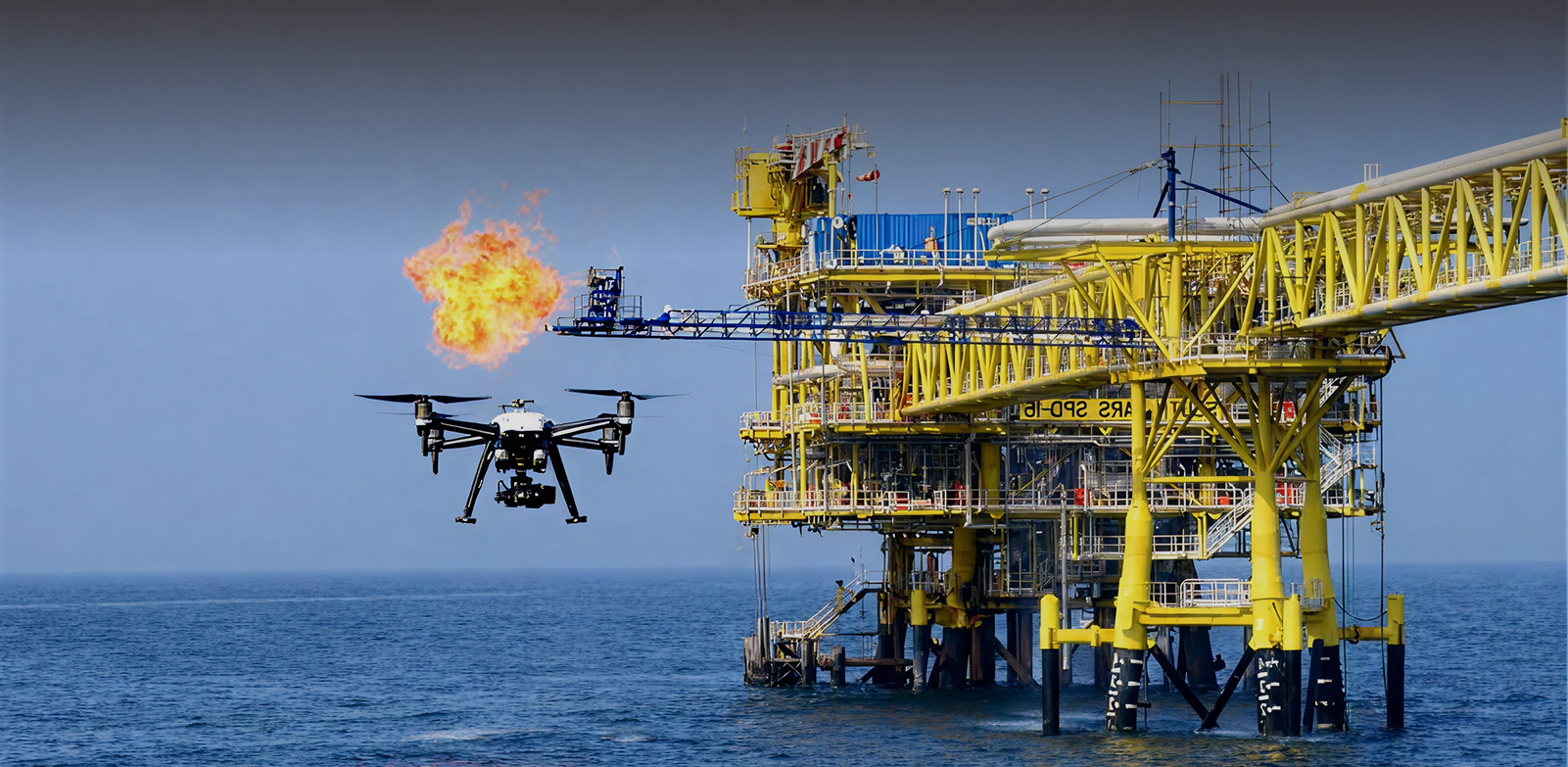
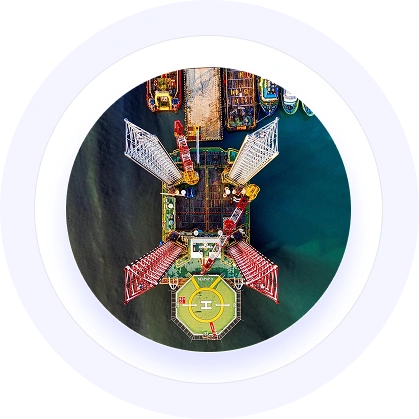
Remote Offshore Asset Inspection

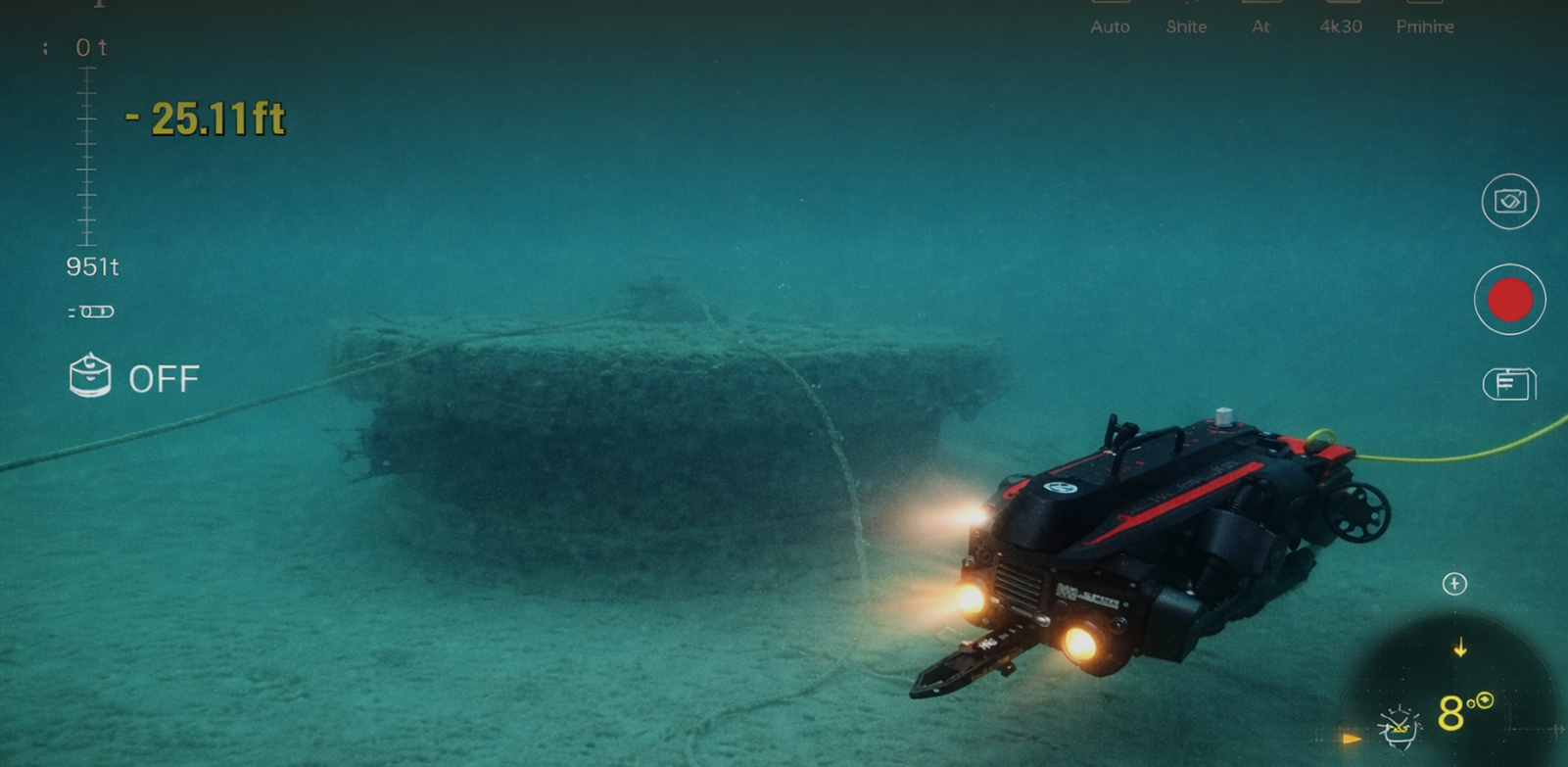
Reach offshore platforms, FPSOs & subsea infrastructure with maritime grade drones that provide visual documentation in harsh marine environments safely.

  • Inspect jackets, risers, and flare booms remotely 
  • Conduct emergency damage assessments without personnel mobilization 
  • Operate in wind conditions exceeding conventional limits

Gulfnet Insight® Transforms Inspection Data Into Asset Intelligence

Advanced analytics platform transforming aerial inspection data into predictive insights for smarter asset management.

Automatically classifies corrosion, cracks, and anomalies instantly
Array

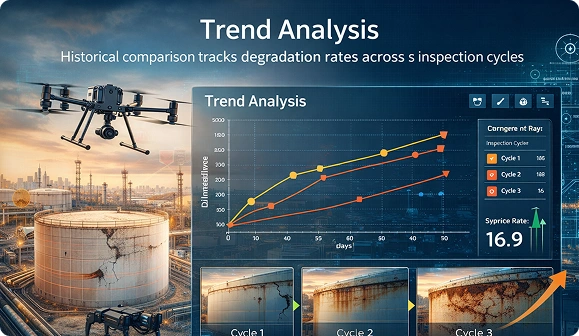
Historical comparison tracks degradation rates across inspection cycles
Array

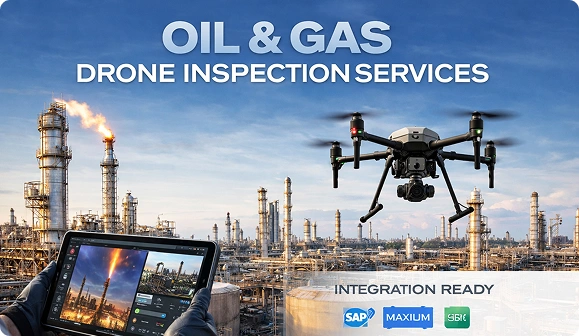
Connects with SAP, Maximo, and asset management platforms
Array

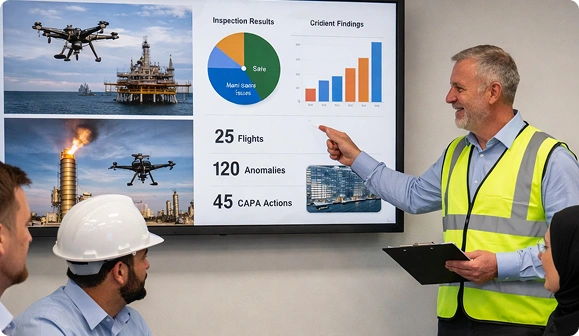
Generates audit-ready documentation meeting regional HSE requirements
Array
ai-defect-recognition

Schedule your facility assessment before the next shutdown window closes.

Other Industries

power-other
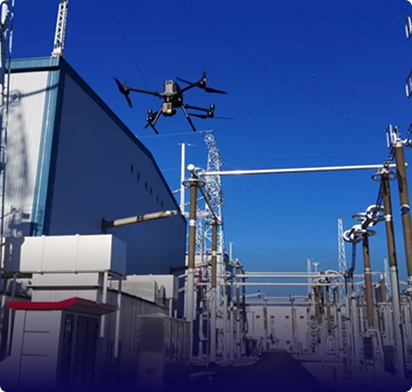
Power & Utilities
infrastracure-other
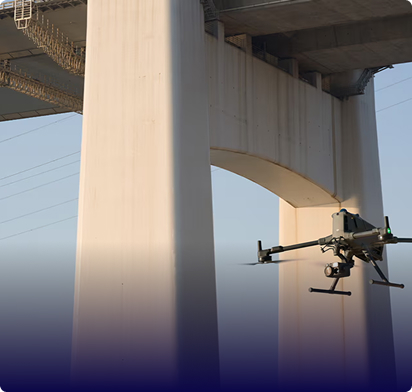
Infrastracture
construction-other
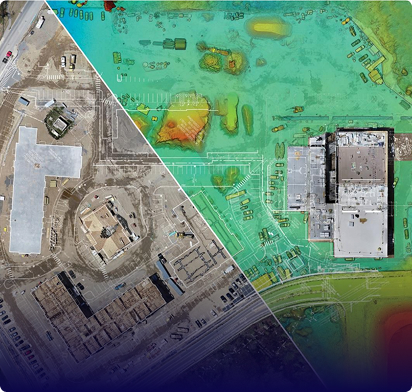
Construction
renewable-others
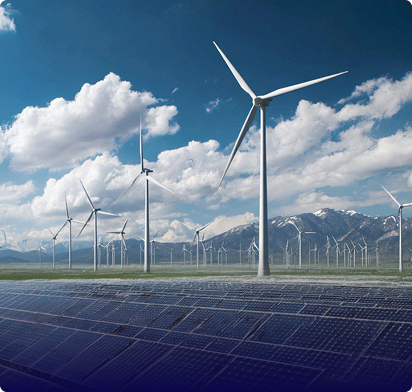
Renewables
image
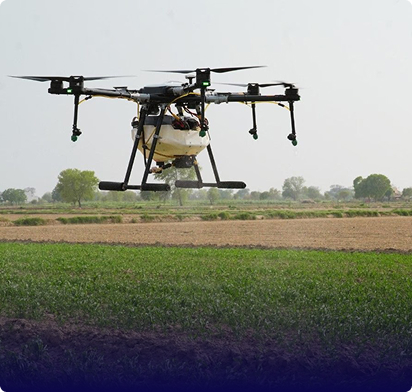
Agriculture

Frequently Asked Questions

Gulfnet has rapid response teams stationed around the GCC that are capable of rapid response (4-6hr) for critical inspection needs. Our helicopter drones can get to remote offshore platforms or desert facilities within operational range, while portable systems mobilize to refineries and processing plants immediately. Emergency thermal assessments, leak detection surveys and post-incident damage documentation commence from the same day you contact us, with preliminary findings available within 24 hours to support your incident response and business continuity planning.

Contact our team today for a free consultation and to learn more about our services.

Our multi-sensor platforms detect methane leaks down to 5 ppm sensitivity undetectable to the human eye of the inspector, and detect thermal anomalies indicating internal corrosion before external failure occurs, as well as detect structural micro-cracking which cannot be detected from ground level. Gas-detection drones are used to map the concentration distribution around the wellheads and processing equipment, and LiDAR systems are used to measure the millimeter-level settlement and deformation of the storage tanks. Thermal cameras identify insulation failures, electrical hot spots and bearing degradation in rotating equipment during operation, preventing expensive production interruption as well as enhancing safety margins considerably.

Absolutely. Gulfnet operates with approved safety management systems which are in compliance with ADNOC HSE requirements, Saudi Aramco engineering standards and international API/ASME inspection protocols. Our drone pilots are GCAA certified and all operations are conducted in accordance with client specific permit-to-work procedures including hot work permits where applicable. Inspection reports contain verifiable documentation, geo tagged imagery (metadata) & defect classification according to industry standards. We carry comprehensive liability insurance and perform risk assessments ahead of flying for each and every mission, ensuring your facility stays within the bounds of operator requirements and regulatory obligations.

Usually, clients benefit from 60-75% cost savings over conventional approaches to inspection. A flare stack inspection that needs a five figure investment in scaffolding erection and safety supervision and production downtime costs only a fraction with drone technology. The cost advantage greatly increases for offshore platforms where personnel transportation and accommodation and weather delays multiply costs. Beyond the straightforward cost savings, drones prevent production losses – a day without production caused by a shutdown on a processing train can justify an entire annual inspection program. We offer transparent per-asset rates with no hidden mobilization fees or weather related premiums.

Get in touch with us today to get a better estimate of the cost of inspection for your facility.

Yes this is one of the main benefits of drone inspection technology. Our drones can be safely operated around active flares, pressurized piping and energized equipment using approved standoff distances and intrinsically safe configurations where required. Thermal inspections in particular need operating conditions to identify anomalies of performance – shutdown assets cannot show combustion efficiency problems or heat loss patterns. We work with your operations team to schedule the flights during the highest production states – as part of your simultaneous operations (SIMOPS) procedures. The only exceptions are confined spaces where atmospheric monitoring is required and areas with active hydrocarbon releases exceeding safe levels of concentration.

Get in touch with us today to learn more about our drone services for oil and gas industry.

Every single inspection is complete with a digital report containing geo-referenced high-resolution imagery, thermal analysis with temperature measurements, defect classifications according to severity and recommended actions based on risk-priority level. Reports integrate seamlessly with your CMMS through Gulfnet Insight(R) enabling direct work order generation. We offer orthomosaic maps for pipeline corridors, 3D models for structural assets, and trend analysis of current conditions compared to past inspections. Deliverables comply with API 510, API 653 and client specific documentation requirements. Raw data is still available via our cloud platform for internal analysis and we have the ability to support custom reporting formats to align with your asset management workflows and audit requirements.

Share your asset list and inspection priorities
to receive a tailored scope and plan.

Request our capabilities deck and platform walkthrough to see reporting and workflows.