
Critical Inspection Challenges Faced by the Power Sector

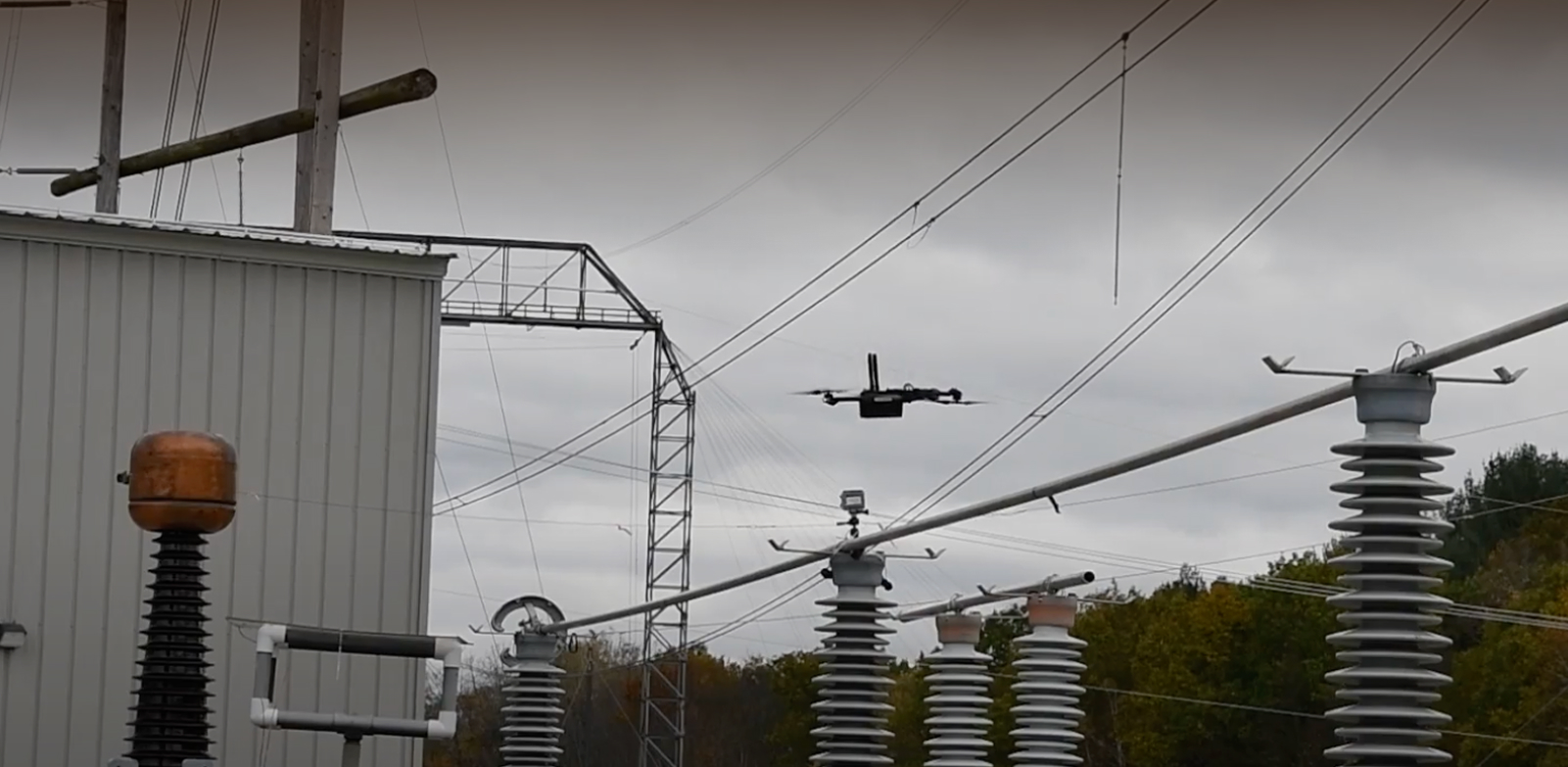
Power and utilities organizations operate some of the most critical and geographically dispersed infrastructure in the GCC where reliability, safety and regulatory compliance are non-negotiable. Manual inspections on energized equipment pose a risk of personnel safety and grid stability. Gulfnet offers smart drone solutions helping utility and power providers inspect more often, monitor assets more safely and capture data in real-time.This helps them to be more reliable, reduce downtime and make decisions more intelligently all while maintaining the highest safety and compliance standards.

image
Safety Hazards

High-voltage proximity endangers inspection teams and limits assessment frequency.

image
Vegetation Encroachment

Transmission corridor overgrowth causes outages and difficulty in regular monitoring.

image
Defect Detection Gaps

Ground observations miss hotspots, insulator damage, and early-stage equipment degradation.

image
Solar Performance Loss

Undetected panel failures and soiling reduce generation output without visible external indicators.

Our Drone Services for Energy Infrastructure

Proven inspection capabilities for generation, transmission, and distribution asset management.

thermal-solar

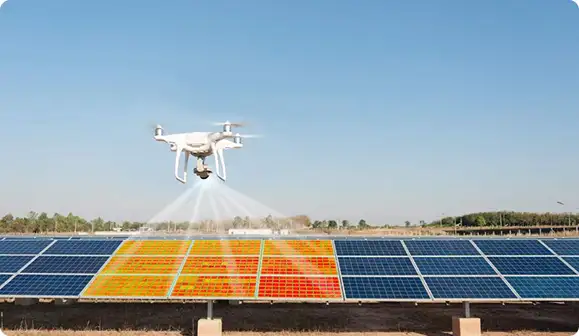
Thermal Solar Panel Assessment

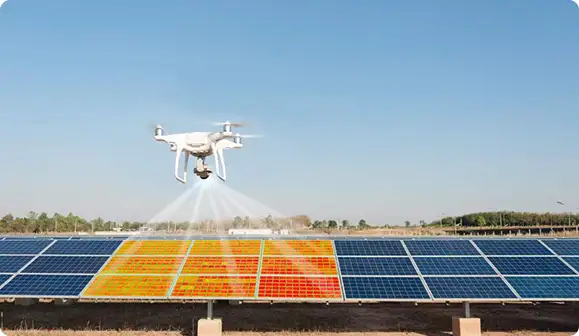
We detect underperforming modules, junction box failures and soiling patterns across utility-scale solar installations using high-resolution thermal and RGB imaging systems 

  • Identify defective cells reducing array output immediately
  • Quantify soiling losses impacting generation revenue accurately
  • Inspect entire solar farms in hours rather than weeks 
  • Generate defect reports with panel-level GPS coordinates
high-voltage

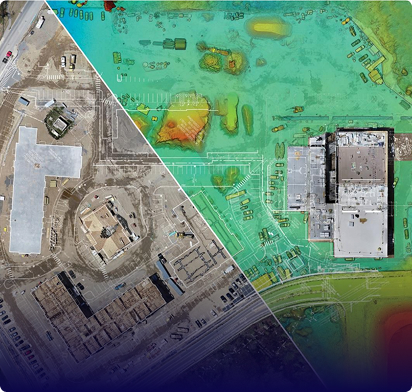
High-Voltage Corridor Inspection Services

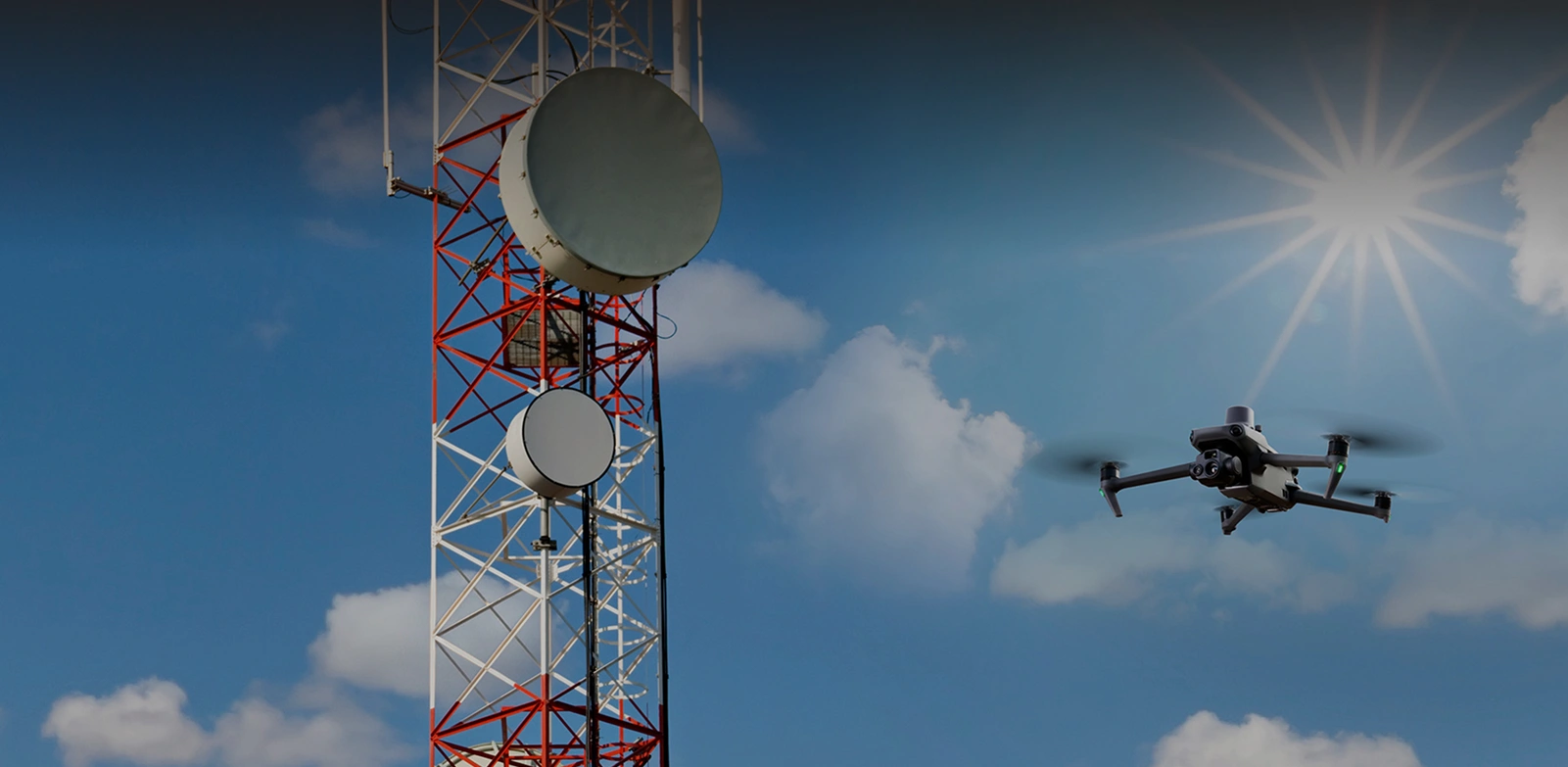
We monitor transmission towers, conductors and insulators over hundreds of kilometers using automated drones equipped with zoom cameras and thermal sensors for defect identification. 

  • Detect insulator cracks and contamination before flashover occurs 
  • Identify conductor corrosion and hardware degradation safely
  • Map vegetation clearance zones exceeding regulatory requirements 
  • Document tower structural issues without de-energization procedures 
energized-substation

Energized Substation Thermal Inspection

We conduct thermographic surveys of transformers, circuit breakers and switchgear while energized in order to detect loose connections, insulation breakdown and thermal overload conditions. 

  • Capture baseline thermal profiles for predictive maintenance programs 
  • Detect bushing failures preventing catastrophic transformer damage 
  • Inspect equipment safely without confined-space entry requirements 
  • Schedule maintenance during optimal outage windows based on findings  
wind-turbine

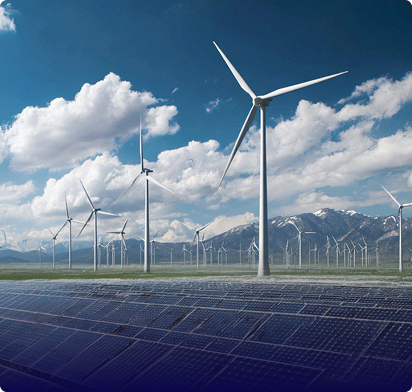
Wind Turbine Structural Assessment

We examine blade surfaces, leading edges and lightning protection systems using high resolution imaging to detect erosion, cracks and damage to coating affecting aerodynamic performance.

  • Identify leading-edge erosion reducing energy capture efficiency 
  • Document lightning strike damage and drainage hole blockages
  • Eliminate rope access costs and weather-dependent inspection delays
  • Prioritize blade repairs based on defect severity classification  

Gulfnet Insight® - Delivering Utility Asset Intelligence

Cloud platform converting inspection data into maintenance decisions and performance optimization strategies instantly.

Automated classification of equipment anomalies by criticality level
Array

Solar array output correlation with thermal defect identification
Array

Direct work order generation within utility maintenance management systems
Array

Audit-ready inspection records meeting grid code compliance requirements
Array
defect-analytics

Improve asset reliability before the next peak demand season arrives.

Other Industries

oil-other
Oil & Gas and Marine
infrastracure-other
Infrastracture
construction-other
Construction
renewable-others
Renewables
image
Agriculture

Frequently Asked Questions

Gulfnet works within stringent electrical safety protocols with minimum approach distances according to the electrical codes of each class of voltage and the standards set forth by the International Electrotechnical Commission (IEC) and the Institute of Electrical and Electronics Engineers (IEE). Our pilots have special training in operating around energized infrastructure, plus the flight plans are approved by your system control center before they are flown. Drones with frames made of carbon fiber reduce the risks of electrical conductivity and thermal cameras can collect hotspot data at a safe distance, in line with the regulatory requirements. We coordinate with the protection and switching personnel to see that the mission safety is ensured without having to de-energize the lines. All operations follow utility specific safe work practices and electromagnetic interference prevention measures that protect SCADA and communication systems.

The drone services offered by Gulfnet utilise thermal imaging to detect cell-level failures invisible during visual inspection, including bypass diode malfunctions causing entire substring losses, junction box overheating indicating connection resistance, and micro-cracking reducing module efficiency progressively. We identify soiling patterns of certain array sections and quantify the generation losses and optimize the cleaning schedule. Thermal surveys identify failure of inverter cooling systems, hot spots in combiner boxes, and tracker misalignment issues that affect the yield issue. Our analysis correlates thermal anomalies with electrical performance data, distinguishing manufacturing defects warranting replacement from maintenance-addressable issues. Inspection frequency recommendations align with warranty requirements and performance guarantee verification needs.

Under ideal conditions, one drone team is capable of inspecting 20 – 30 megawatts of solar capacity per day – the equivalent of manual inspection time and crews of 2 – 3 weeks. For a typical 200MW solar farm, the complete thermal and visual assessment is completed in 7-10 days inclusive of data processing and defect reporting. Autonomous flight planning allows for maximum coverage efficiency and consistent image quality and overlap requirements. Weather-dependent operations in the GCC have the advantage of year-round flyable weather outside of summer peak heat hours. Rapid deployment capability enables performance verification to be done immediately after commissioning or after weather events which may cause hail damage, speeding up the insurance claims and warranty processes considerably.

Get in touch with us today to learn more.

Our industrial-grade drone platforms have the operational capability in temperatures up to 50 degree Celcius with special cooling systems and sealing to resist dust. We provide critical inspections on optimal weather windows to keep the service available year round. Light to moderate dust conditions do not prevent operations but severe sandstorms temporarily ground flights which follow standard aviation safety protocols. Thermal inspection specifically benefits from GCC conditions – high ambient temperatures enhance thermal contrast between healthy and defective equipment, resulting in better defect detection accuracy. Solar panel inspections take place during the morning hours when the thermal signatures remain distinct prior to the peak heating during the day when temperature differences across modules become equal.

Each inspection delivers geo-referenced defect reports with severity classification, recommended actions and repair cost estimates tied to utility maintenance planning cycles. Gulfnet Insight exports data to SAP, Maximo, PowerPlan, and other CMMS platforms using either API integration or standard file formats. Solar farm report module level defect mapping string and inverter correlation O&M dispatch Transmission inspection deliverables are referenced to numbers of structures, phases, and components in accordance with your asset registry. We are providing KML files for GIS integration, trend analysis for comparing the intervals of inspection and dashboard visualization for tracking the condition of the assets over time. Custom reporting templates are used for specific regulatory filing requirements and internal governance requirements.

Utility clients typically achieve 50-70% cost reduction compared to conventional inspection approaches while increasing frequency and data quality. Transmission Line Inspection by helicopter costs anywhere between $1500-2500 per kilometer whereas with drones you get the same service at a fraction of the total cost with better image resolution and documentation of defects. Solar farm thermal surveys which traditionally require manual inspection teams at $0.05 – 0.08 per watt cost about $0.02 – 0.03 per watt using drone technology. Substation inspections that remove outage requirements result in thousands in lost transmission revenue and interruption costs to customers. Beyond direct reduction in expenses, drones allow condition-based maintenance strategies to prevent failures – a single failure of a transformer justifies the costs of annual inspection programs. We offer upfront transparent per asset pricing with volume discounts for portfolio contracts for multiple facilities.

Share your asset list and inspection priorities
to receive a tailored scope and plan.

Request our capabilities deck and platform walkthrough to see reporting and workflows.