
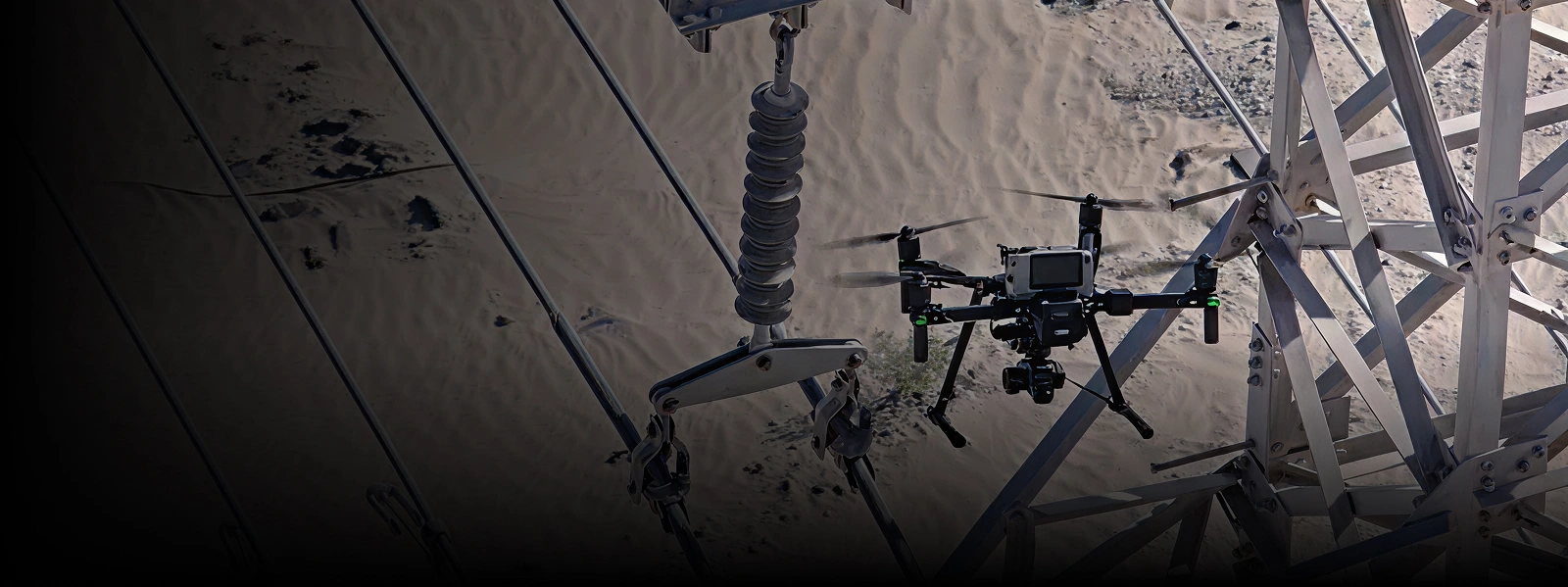

Gulfnet provides drone-based thermal and electrical inspection services that are aimed at discovering hidden faults before they become a cause for failure. Using calibrated infrared sensors and certified inspection workflows, we help asset owners to spot overheating, energy loss, and electrical anomalies without interrupting operations.
Our inspections support preventive maintenance, improve system reliability, and reduce unplanned outages across power, renewable energy, and industrial facilities.
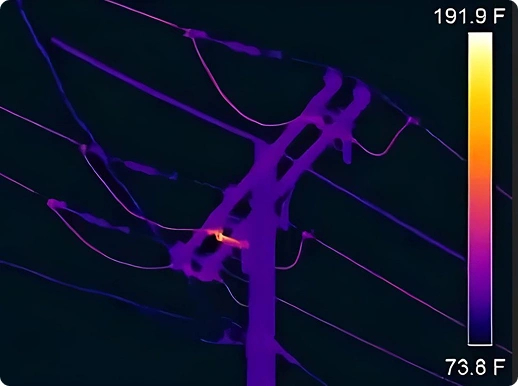
Electrical and mechanical failures very often start out as small temperature anomalies that can’t be seen, even with the naked eye. Traditional inspection methods require shutdowns, close access to live equipment, or limited sampling – leaving critical issues undetected.
Gulfnet’s thermal inspections provide a non-intrusive, and aerial alternative. By capturing precise infrared data over large and complex assets, we enable the detection of faults at an early stage while systems remain energised and operational.
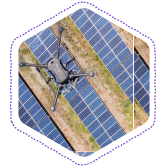
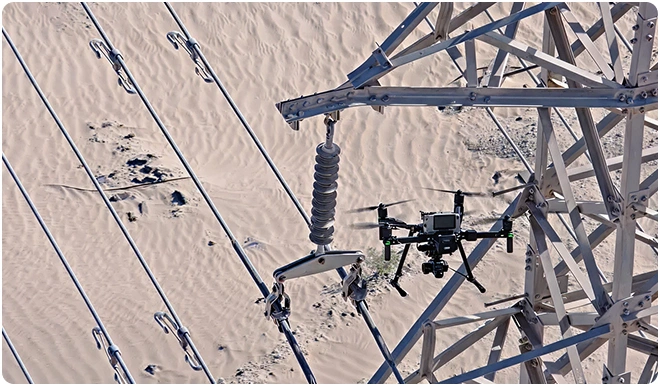
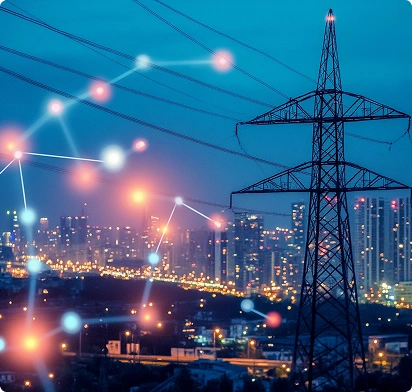
We carry out aerial examinations of transmission lines and distribution networks in order to detect thermal irregularities, and physical defects.
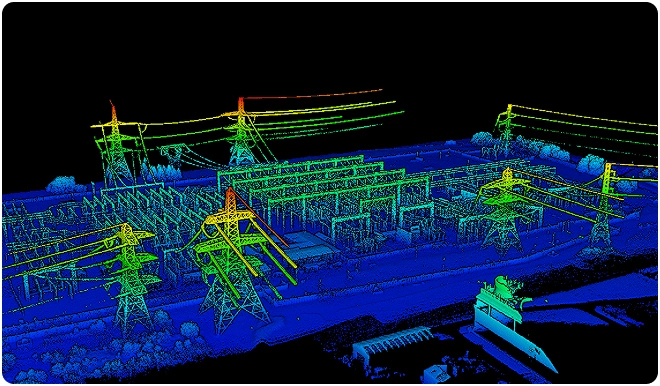
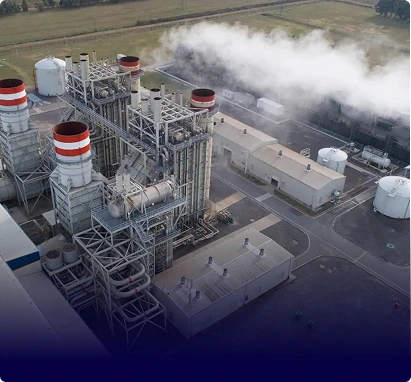
Our thermal inspections help utilities to identify abnormal heat patterns from within substations that could show electrical stress or imminent failure.
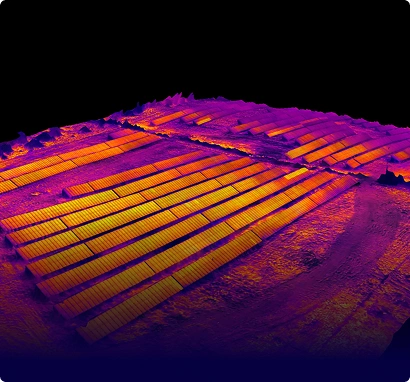
Gulfnet provides thermal inspections for utility-scale and rooftop solar installations to assess performance and identify faults.
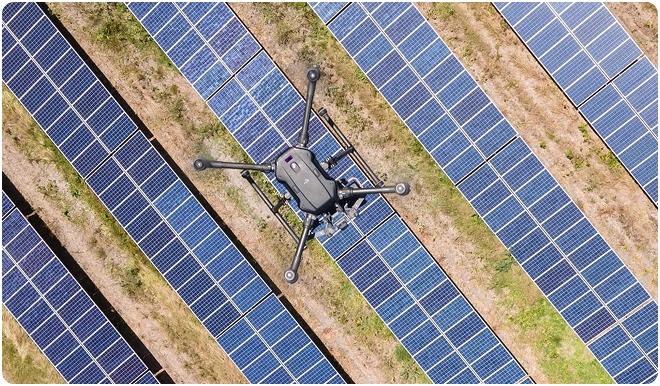
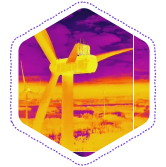
We help wind energy operators with thermal inspections of turbine components to detect internal defects and abnormal operating conditions.
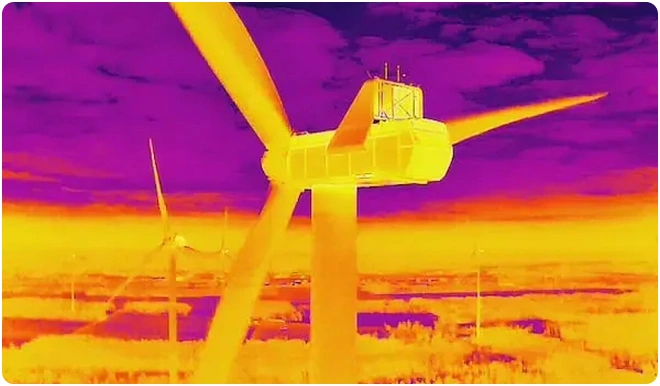
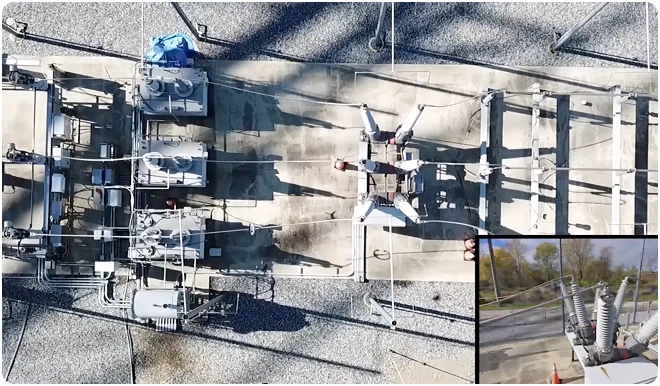
Gulfnet’s thermal inspections combine infrared data and high-resolution visual imagery to create context and clarity. All findings are recorded in structured reports, allowing maintenance teams to prioritise interventions according to risk and severity.
Share your inspection challenges with us. We'll build a drone-based solution that works around your operations

Yes. Thermal inspections are almost always performed while assets are energized and operating under normal load conditions. This is critical for the correct identification of abnormal heat patterns and allows inspection without service interruptions.
When captured using calibrated sensors and proper inspection procedures, thermal data is a good indicator of abnormal operating conditions. The findings are used to prioritise maintenance actions but are often combined with visual inspection and engineering judgement for final decisions.
Yes. Factors such as the ambient temperature, wind, solar radiation and load conditions can affect thermal readings. Gulfnet plans inspections considering these variables to ensure data quality and clearly documents inspection conditions in reports.
Inspection frequency is based upon the criticality of the asset, operating environment and maintenance strategy. Many clients carry out thermal inspections either on an annual basis or as part of a condition-based maintenance programme consisting of high risk assets.
Yes. Thermal inspections are scalable and can be applied to individual assets such as solar arrays or large facilities such as substations, power corridors and wind farms. We at Gulfnet provide thermal aerial inspection service for a wide range of applications such as wind turbines, solar PV, etc.
Deliverables typically include annotated thermal images, visual reference images, identified anomalies, severity assessments, and recommendations for further investigation or maintenance actions.
