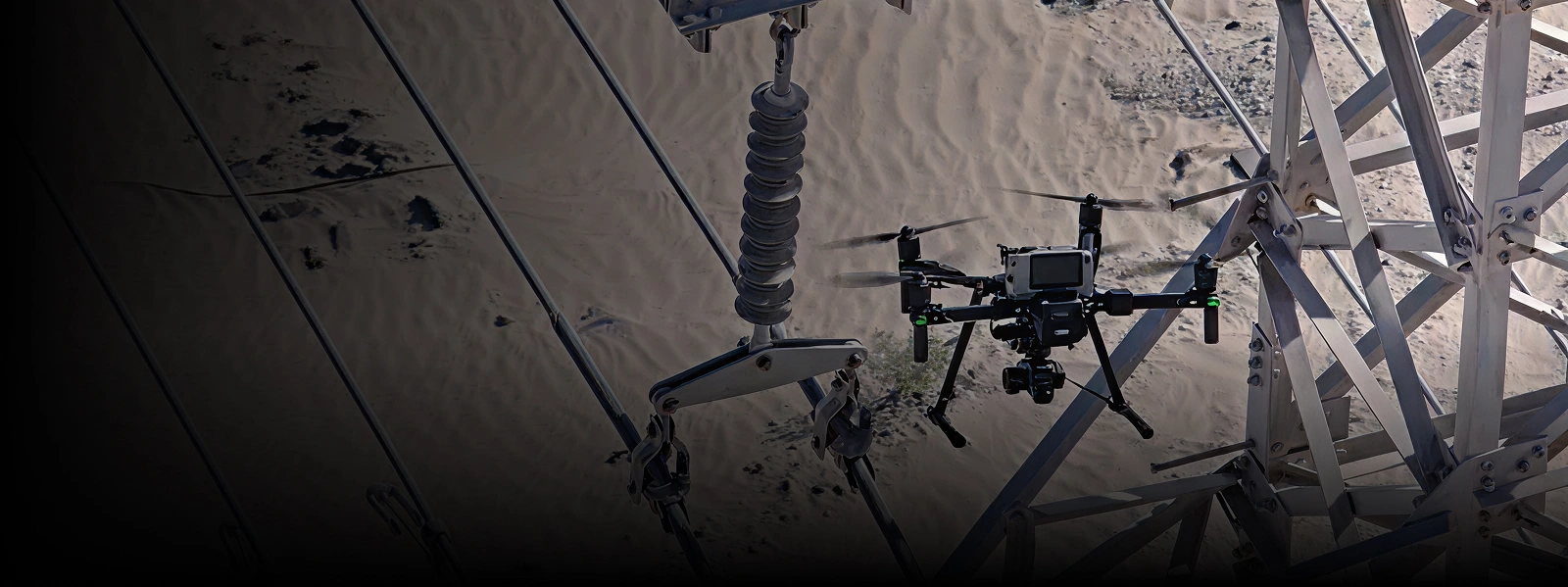

Gulfnet provides drone-based thermal and electrical inspection services that are aimed at discovering hidden faults before they become a cause for failure. Using calibrated infrared sensors and certified inspection workflows, we help asset owners to spot overheating, energy loss, and electrical anomalies without interrupting operations.
Our inspections support preventive maintenance, improve system reliability, and reduce unplanned outages across power, renewable energy, and industrial facilities.
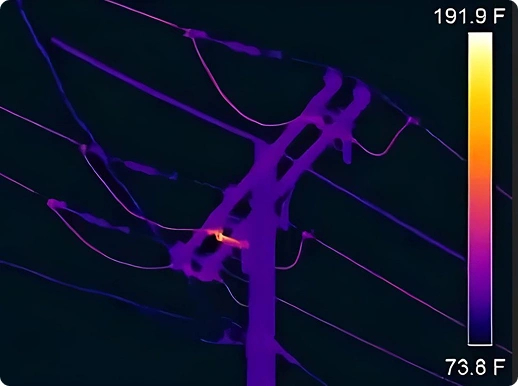
Electrical and mechanical failures very often start out as small temperature anomalies that can’t be seen, even with the naked eye. Traditional inspection methods require shutdowns, close access to live equipment, or limited sampling – leaving critical issues undetected.
Gulfnet’s thermal inspections provide a non-intrusive, and aerial alternative. By capturing precise infrared data over large and complex assets, we enable the detection of faults at an early stage while systems remain energised and operational.
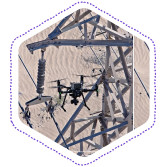
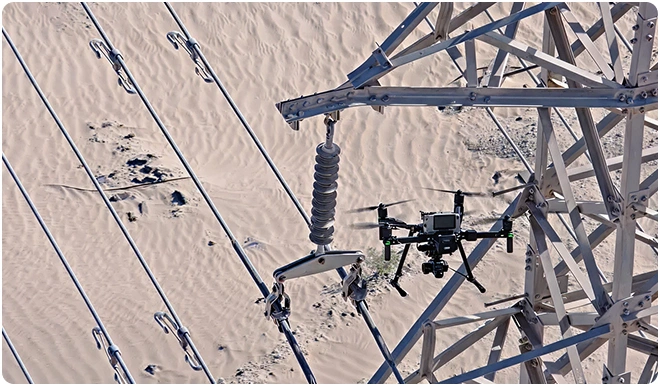
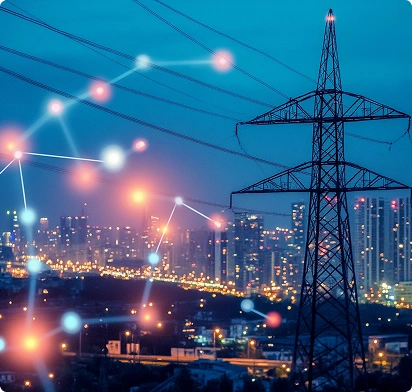
We carry out aerial examinations of transmission lines and distribution networks in order to detect thermal irregularities, and physical defects.
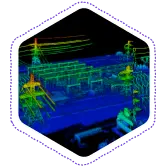
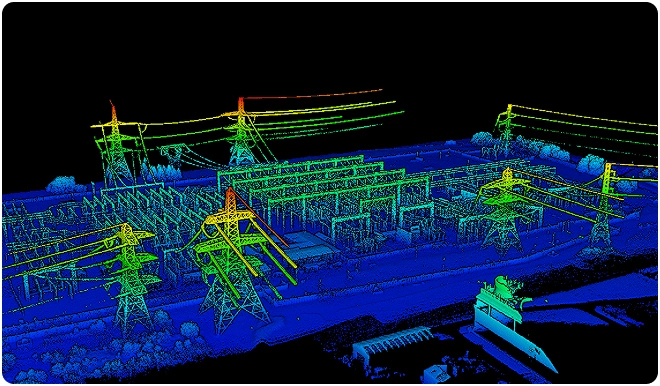
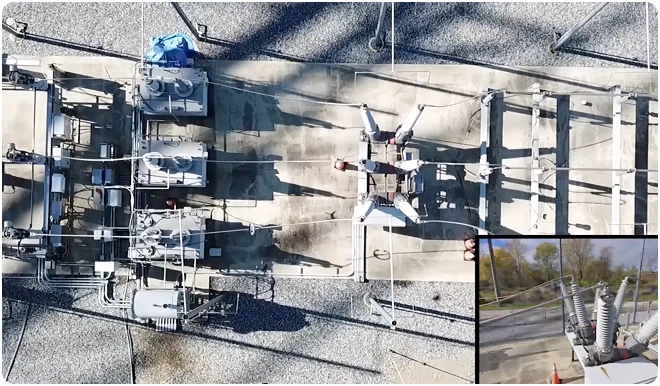
Our thermal inspections help utilities to identify abnormal heat patterns from within substations that could show electrical stress or imminent failure.
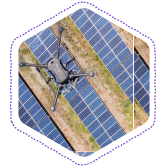
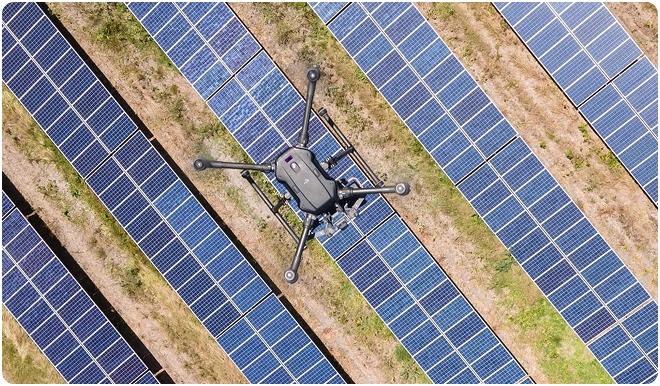
Gulfnet provides thermal inspections for utility-scale and rooftop solar installations to assess performance and identify faults.
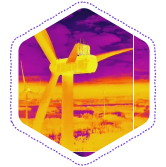
We help wind energy operators with thermal inspections of turbine components to detect internal defects and abnormal operating conditions.
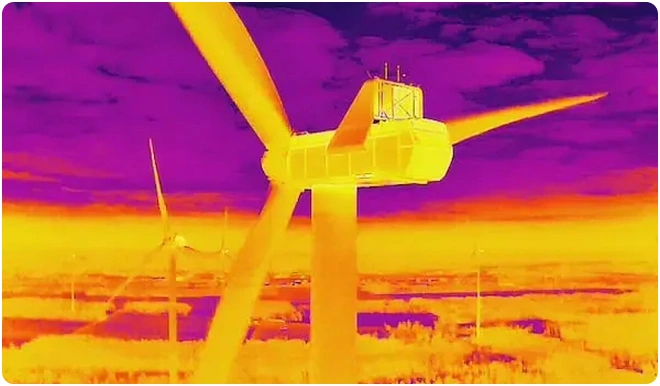
Gulfnet’s thermal inspections combine infrared data and high-resolution visual imagery to create context and clarity. All findings are recorded in structured reports, allowing maintenance teams to prioritise interventions according to risk and severity.
Share your inspection challenges with us. We'll build a drone-based solution that works around your operations
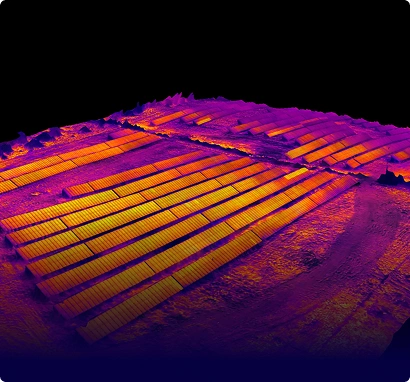
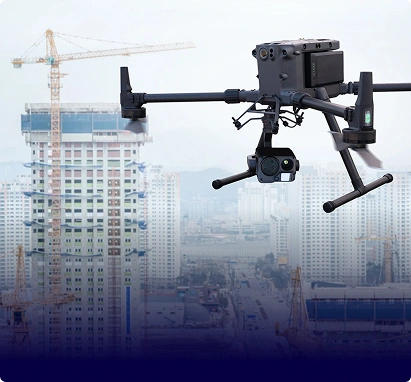
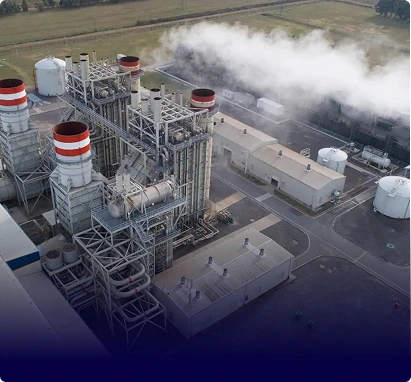
Drone inspection for identifying hotspots in electrical systems in the UAE can reveal overheating at connection points, loose terminals, overloaded conductors, insulation degradation, and phase imbalances. These thermal anomalies appear as elevated heat signatures that are invisible to the naked eye but clearly captured through calibrated infrared sensors mounted on inspection drones. In the UAE, where extreme ambient temperatures place additional stress on electrical infrastructure, regular drone based hotspot detection allows maintenance teams to address developing faults before they escalate into equipment failure, unplanned outages, or safety hazards across power networks and industrial facilities.
Yes. Utility drone inspection programs perform thermal assessments while assets are energized and operating under normal load conditions. This is critical for the correct identification of abnormal heat patterns and allows inspection without service interruptions. For transmission networks, high voltage transmission drone inspection is conducted at safe standoff distances from energized conductors, capturing radiometric thermal data that pinpoints developing faults across spans, joints and terminations.
When captured using calibrated sensors on platforms such as the DJI Matrice 4 Thermal, thermal data is a highly reliable indicator of abnormal operating conditions. The findings are used to prioritize maintenance actions but are often combined with visual inspection and engineering judgement for final decisions. Gulfnet’s public utility drone inspection services deliver radiometric datasets with documented emissivity settings, ambient conditions and load data so that your engineering team can interpret results with full context.
Yes. Factors such as ambient temperature, wind, solar radiation and load conditions can affect thermal readings. Operating thermal camera drones under controlled conditions is essential for data integrity. Our Matrice thermal drone platforms are calibrated for GCC climate extremes, and Gulfnet plans inspections considering these variables to ensure data quality and clearly documents inspection conditions in every report.
Inspection frequency is based upon the criticality of the asset, operating environment and maintenance strategy. Many clients schedule UAV thermal imaging surveys either on an annual basis or as part of a condition-based maintenance program targeting high-risk assets. For critical grid infrastructure, recurring high voltage transmission drone inspection cycles at quarterly or semi-annual intervals help operators detect progressive degradation before it escalates to failure.
Infrared drone inspection services for facilities in the UAE cover a wide scope of applications, from individual rooftop solar arrays and warehouse electrical panels to large scale industrial plants, substations, and district cooling networks. These services use radiometric thermal sensors to capture precise temperature data across facility assets without requiring physical access or operational shutdowns. Gulfnet tailors each inspection to the facility type and scale, providing structured thermal reports with severity grading and GPS tagged anomaly maps that facility managers can use directly for maintenance planning and compliance documentation.
Gulfnet Emirates provides thermal imaging drone inspections across the GCC, serving clients in the UAE, Saudi Arabia, Qatar, Oman, Bahrain, and Kuwait. Operating an enterprise fleet of DJI platforms including the Matrice 4 Thermal, Gulfnet delivers calibrated radiometric inspections for power utilities, oil and gas operators, renewable energy projects, and industrial facilities. All inspections are carried out by GCAA certified pilots with specialized thermal analysis training, and findings are delivered through the Gulfnet Insight platform with severity classifications, GPS coordinates, and actionable maintenance recommendations for each identified anomaly.
Gulfnet operates an enterprise fleet of DJI drone with thermal camera configurations matched to each inspection scenario. For close-range asset assessment on substations, solar arrays and industrial equipment, our multi-rotor platforms carry radiometric thermal sensors with optical zoom for simultaneous visual documentation. The DJI Matrice 4 Thermal serves as our primary platform for high-accuracy thermographic surveys, offering calibrated radiometric capture, high-resolution visual imaging and robust flight performance in the extreme heat and dust conditions common across GCC operating environments. All platforms are maintained to OEM standards, carry current airworthiness documentation and are operated by GCAA-certified pilots with sector-specific thermal analysis training.
Thermal drone inspection services for electrical assets in the UAE include radiometric surveys of transmission towers, distribution networks, transformers, switchgear, busbars, and cable terminations. Gulfnet uses calibrated infrared sensors to capture accurate surface temperature data while assets remain energized and under normal load. Each inspection produces a detailed report with annotated thermal imagery, anomaly severity ratings, and GPS referenced findings that integrate directly into asset management systems. These services help utility operators and industrial facility managers across the UAE to detect developing faults early and reduce the risk of costly unplanned downtime.
Drone based electrical inspection for substations in Dubai involves flying thermal imaging drones over and around substation equipment to capture radiometric data from breakers, busbars, isolators, cable connections, and transformer bushings. The drone operates at a safe standoff distance from energized components, eliminating the need for manual access or power shutdowns. Gulfnet’s inspection workflow for Dubai substations follows DEWA compliance standards and produces structured reports with heat maps, temperature differentials, and priority based maintenance recommendations, allowing substation operators to act on developing faults before they cause service disruptions.
Yes, thermal drone surveys are highly effective for inspecting both solar panels and power lines across the UAE. For solar arrays, drones detect cell level hotspots, string failures, and bypass diode faults that reduce energy output. For power lines, the same thermal technology identifies overheating at conductor joints, splice connections, and insulator attachment points. Gulfnet conducts combined thermal drone surveys for solar panels and power lines in a single mobilization when assets are co located, reducing inspection costs while providing comprehensive thermal data across both renewable and grid infrastructure.
Gulfnet Emirates is widely recognized as a leading provider of thermal and electrical drone inspections in the Middle East. The company operates across the UAE, Saudi Arabia, and the broader GCC region with an enterprise fleet of DJI thermal platforms and GCAA certified pilots trained in thermographic analysis. What sets Gulfnet apart is its end to end service model, combining calibrated radiometric capture, structured anomaly reporting through the Gulfnet Insight platform, and sector specific inspection workflows for power, oil and gas, renewables, and industrial infrastructure.
Thermal imaging drones for industrial electrical audits in the GCC are used to scan electrical panels, motor control centers, distribution boards, cable trays, and high voltage switchgear from a safe aerial position. The drones capture calibrated infrared data that highlights temperature anomalies caused by loose connections, unbalanced loads, or component degradation. Gulfnet’s industrial audit workflow is designed for GCC operating conditions, accounting for high ambient temperatures and dust exposure. Reports include annotated thermal images with severity classifications, enabling plant maintenance teams to schedule corrective actions based on actual risk rather than fixed intervals.