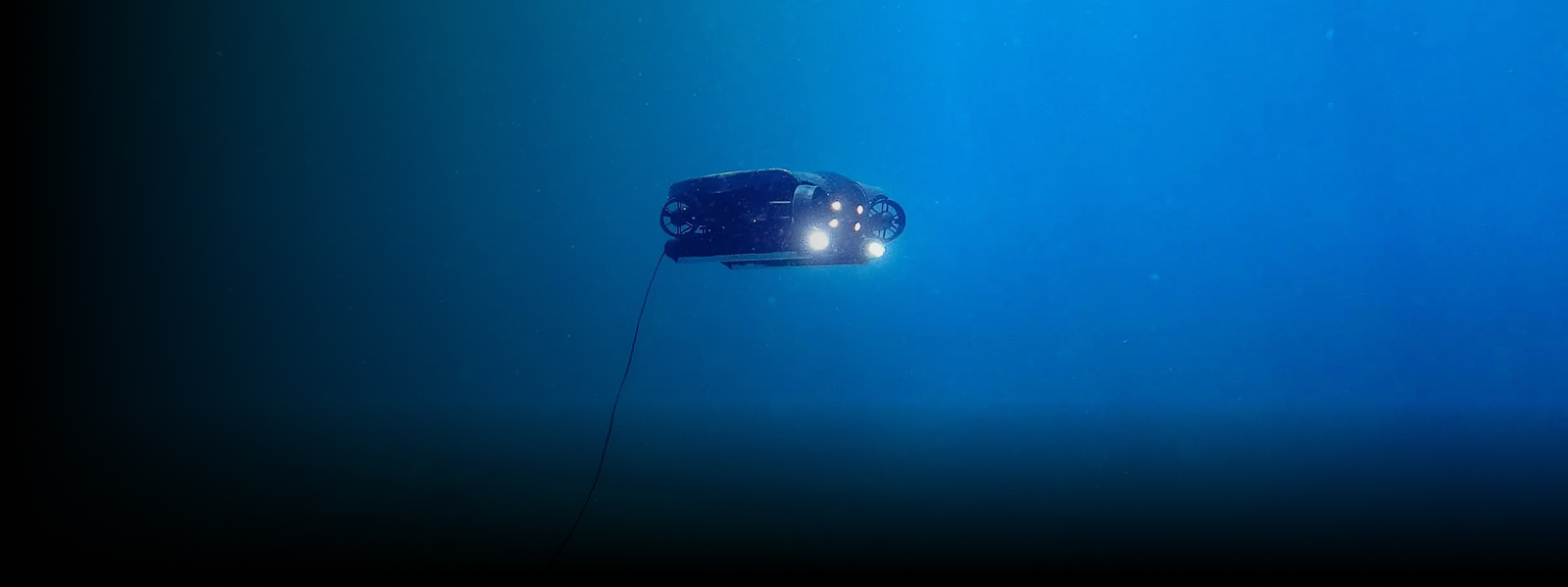
Gulfnet delivers Remotely Operated Vehicle (ROV) based inspection services for underwater and confined spaces where human access is unsafe or impractical, providing accurate visual data across marine, industrial, water, and energy assets throughout the GCC.
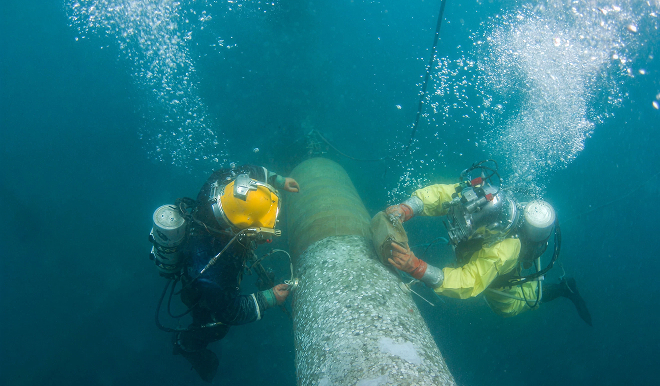
Traditional underwater inspections may involve diving personnel, which bring safety risks, limitations of weather and visibility, and also constraints of operations. Confined water-filled spaces provide even more hazards and complexity for inspection.
Gulfnet’s ROV solutions are a controlled, repeatable and safer alternative – they provide consistent inspection data while keeping personnel out of harm’s way. These services are delivered to marine infrastructure, industrial facilities, water utilities and energy assets throughout the GCC.
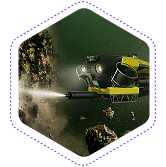
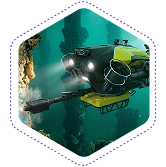
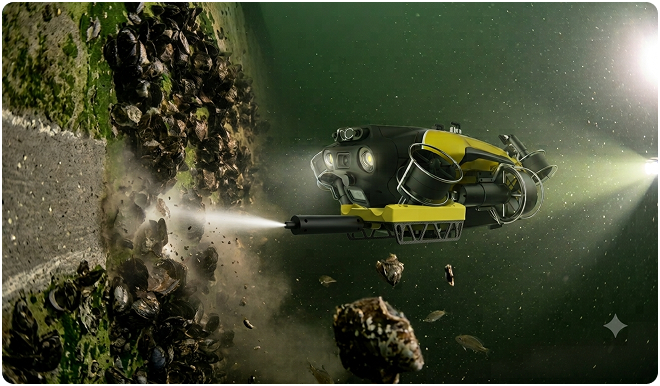
Our ROV uses a high-pressure water jet cleaning system to remove marine growth, sediment, and debris from submerged assets, improving inspection quality and maintenance efficiency.
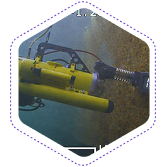
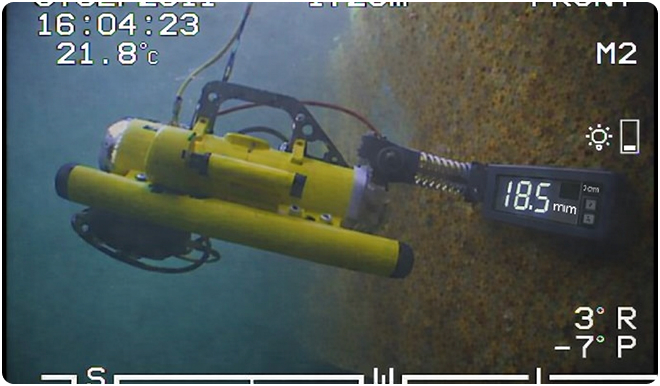
Our ROV integrates an Ultrasonic Thickness Gauge (UTG) to accurately measure the wall thickness of submerged metallic structures using high-frequency ultrasonic technology.
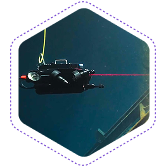
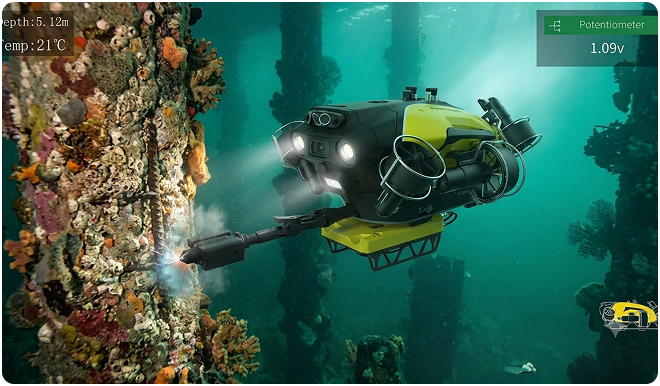
Our ROV performs cathodic protection (CP) inspections by measuring the electrical potential of submerged metal structures to evaluate the effectiveness of corrosion protection systems.
We perform thorough visual inspections of submerged assets using high definition cameras and controlled navigations.
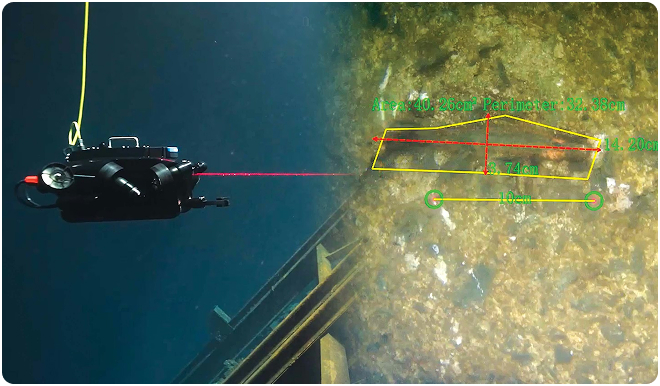
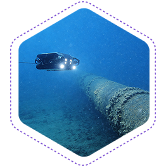
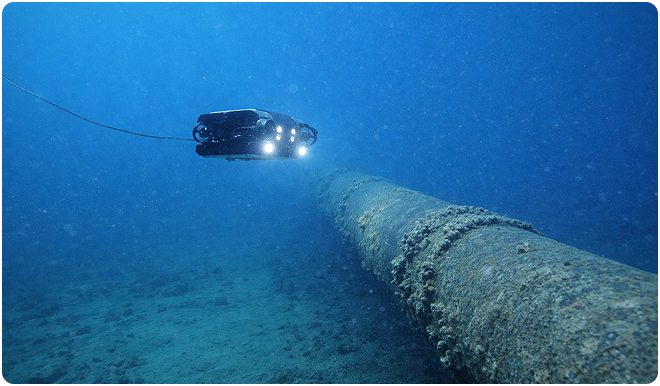
Our ROVs can be used to inspect subsea and submerged pipelines in order to see the external condition and alignment.
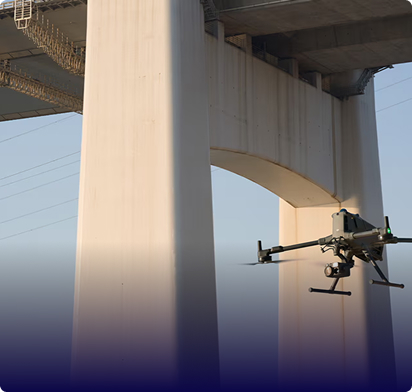
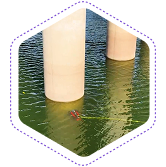
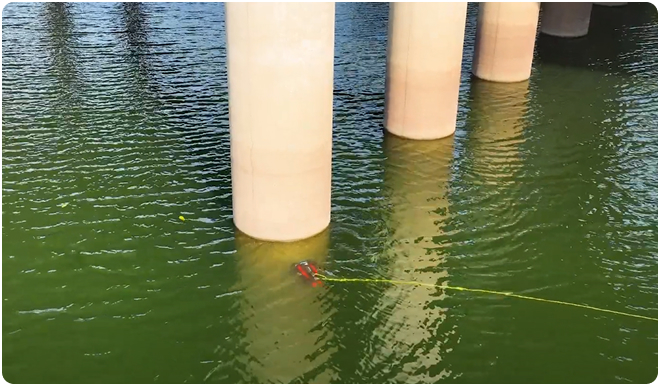
We inspect submerged bridge piers, foundations, retaining walls and structural elements.
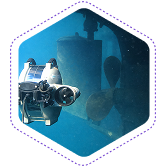
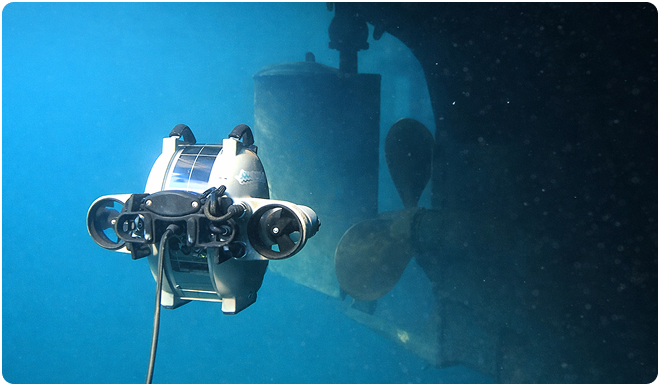
Gulfnet offers ROV based inspections for vessel hulls and propulsion systems.
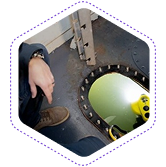
Our ROV inspections allow us to internally inspect tanks and reservoirs without completely draining them or putting any human into them.
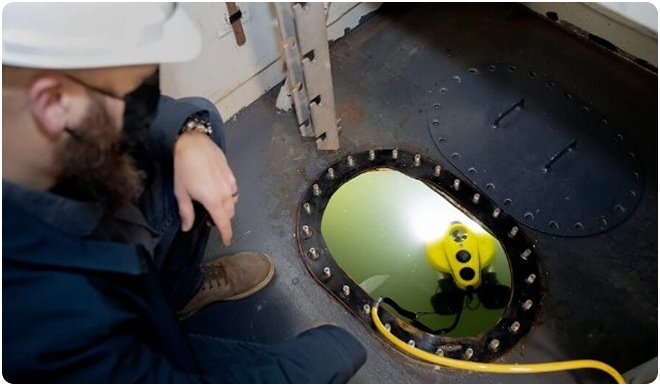
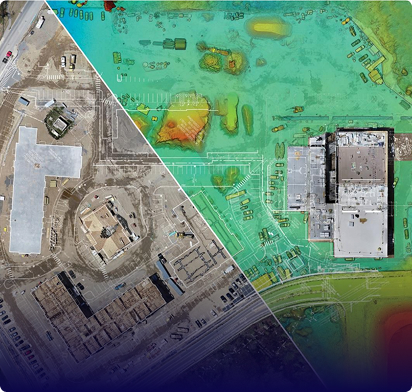
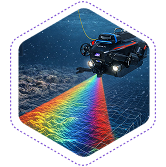
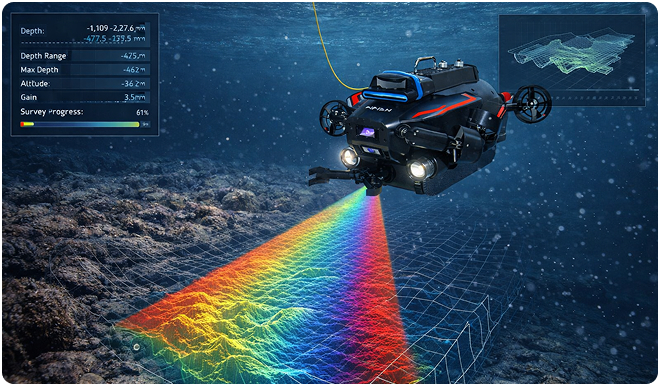
Our ROV supports bathymetric surveying for shallow water, confined spaces, and underwater infrastructure by collecting depth data to generate detailed seabed and underwater terrain profiles.
Gulfnet's ROV operations are focused on safety, control and clarity. Inspections are designed to have defined scopes with clear deliverables and structured reporting to aid maintenance, compliance, and engineering decision-making.
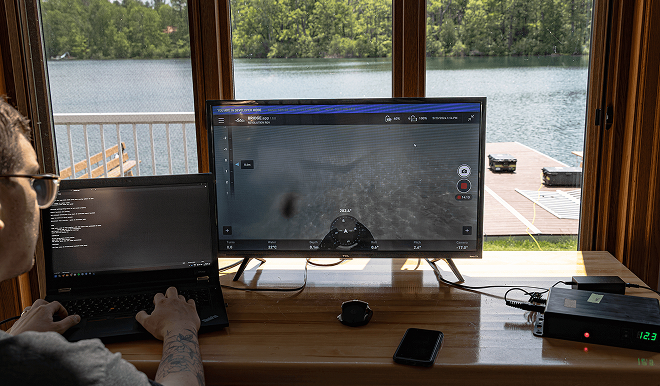
Tell us your underwater inspection requirements. We’ll deploy the appropriate ROV system and sensor payload for accurate subsea data capture.
Underwater inspection without divers using ROV in the UAE involves deploying remotely operated vehicles equipped with HD cameras, sonar, and lighting systems into submerged environments. A trained pilot operates the ROV from the surface, capturing real-time video and imagery of underwater assets such as pipelines, tanks, and marine structures. This approach eliminates the safety risks associated with sending human divers into hazardous or confined underwater spaces. In the UAE, ROV inspections are widely used across offshore energy, port infrastructure, and water utility sectors where safe, non-intrusive data collection is a priority.
Yes, underwater drone inspection is highly effective for pipelines and ports in the UAE. ROVs navigate along subsea pipeline routes to assess external conditions such as coating damage, exposure, and alignment shifts. In port environments, they inspect quay walls, fenders, berth structures, and seabed areas around jetties. These inspections provide detailed visual records without interrupting port operations or pipeline flow. For UAE-based marine and energy infrastructure, underwater drone technology offers a practical solution that delivers reliable condition data while reducing operational downtime.
Yes. Many ROV inspections are done while assets are still in service, if site conditions and safety requirements permit. This is used to reduce downtime and no draining or shutdowns required.
Visibility has a direct impact on the quality of the inspection. While ROVs can be used in low visibility environments with the aid of artificial lighting, turbidity, sediment and flow conditions will sometimes limit visual details. These limitations are evaluated and recorded during the inspection planning.
No. ROVs significantly reduce the need for diver-based inspections, but some tasks that require the presence of divers such as repairs, tactile measurements, or certified jobs that require intervention may need them depending on the regulations or the project.
Deliverables usually include inspection video footage, still images, observed conditions and structured inspection report suitable for engineering review, maintenance planning and compliance documentation.
UT measurement and bathymetric surveying are presently offered under controlled R&D programs only. These services are offered on a trial or validation basis and not placed in a position of being certified inspection deliverables.
ROV inspections are usually carried out in a planned way to align with site-specific risk assessments, method statements, and coordination with client HSE teams. All operations are performed so that minimum risk is posed to personnel and ongoing activities.
ROV underwater inspection services in the UAE cover a broad range of applications including subsea visual surveys, pipeline condition assessments, ship hull evaluations, bridge pier inspections, and internal tank reviews for water-filled reservoirs. These services use remotely operated vehicles fitted with high-definition cameras and adjustable lighting to capture detailed imagery of submerged assets. Providers in the UAE deliver structured inspection reports with video footage, still images, and condition observations tailored for engineering review, compliance documentation, and maintenance planning across the marine, energy, and infrastructure sectors.
Gulfnet Emirates provides remotely operated vehicle inspections for subsea assets across the GCC, serving clients in the marine, energy, water utility, and industrial sectors. Their ROV inspection capabilities cover underwater pipelines, bridge foundations, ship hulls, port structures, and confined water-filled tanks. Operations are supported by trained ROV pilots who capture high-definition visual data from the surface without requiring diver deployment. Gulfnet delivers detailed inspection reports suitable for regulatory compliance and maintenance planning, making them a dependable choice for organizations managing critical subsea infrastructure in the Gulf region.
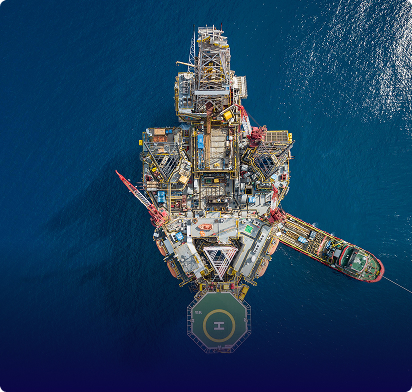
Yes, ROV services for offshore oil and gas platforms in the Middle East include subsea structural inspections, riser and jacket assessments, pipeline route surveys, and cathodic protection monitoring. ROVs operate at depths and in conditions that are often hazardous for divers, making them well suited for routine integrity assessments on active platforms. These inspections support maintenance scheduling and regulatory compliance without requiring production shutdowns. In the Middle East, where offshore energy operations are extensive, ROV technology plays a vital role in keeping platform assets monitored safely and efficiently.
Gulfnet Emirates is a leading provider of underwater ROV inspections in Dubai, offering comprehensive services for marine, industrial, and infrastructure clients. Their capabilities include visual inspections of ship hulls, subsea pipelines, port structures, bridge piers, and water-filled tanks. Each inspection is carried out by experienced ROV pilots using high-definition camera systems and structured reporting workflows. Gulfnet stands out for its safety-focused approach, ability to inspect assets without operational shutdowns, and delivery of clear visual documentation that supports engineering decisions and compliance requirements across the UAE.
Subsea asset inspection using ROVs in the UAE follows a structured process that begins with scope definition and site risk assessment. A remotely operated vehicle is then deployed to the target asset, where it captures HD video, still imagery, and condition observations through controlled navigation. Assets commonly inspected include submerged pipelines, foundation structures, quay walls, and offshore platform components. All findings are compiled into a detailed inspection report designed for engineering review and maintenance planning. This method keeps personnel safely on the surface while delivering consistent and repeatable inspection data.
ROV based hull and marine structure inspection in the GCC involves using remotely operated vehicles to survey vessel hulls, propellers, rudders, and other underwater fittings without dry docking the ship. The ROV captures close-range video and images to identify marine growth, corrosion, coating damage, and structural anomalies. For marine structures such as jetties, sea walls, and berth piles, the same technology assesses surface deterioration and scour conditions. This inspection approach reduces vessel downtime and eliminates the need for diver teams, providing GCC maritime operators with efficient and safety-focused assessment capabilities.