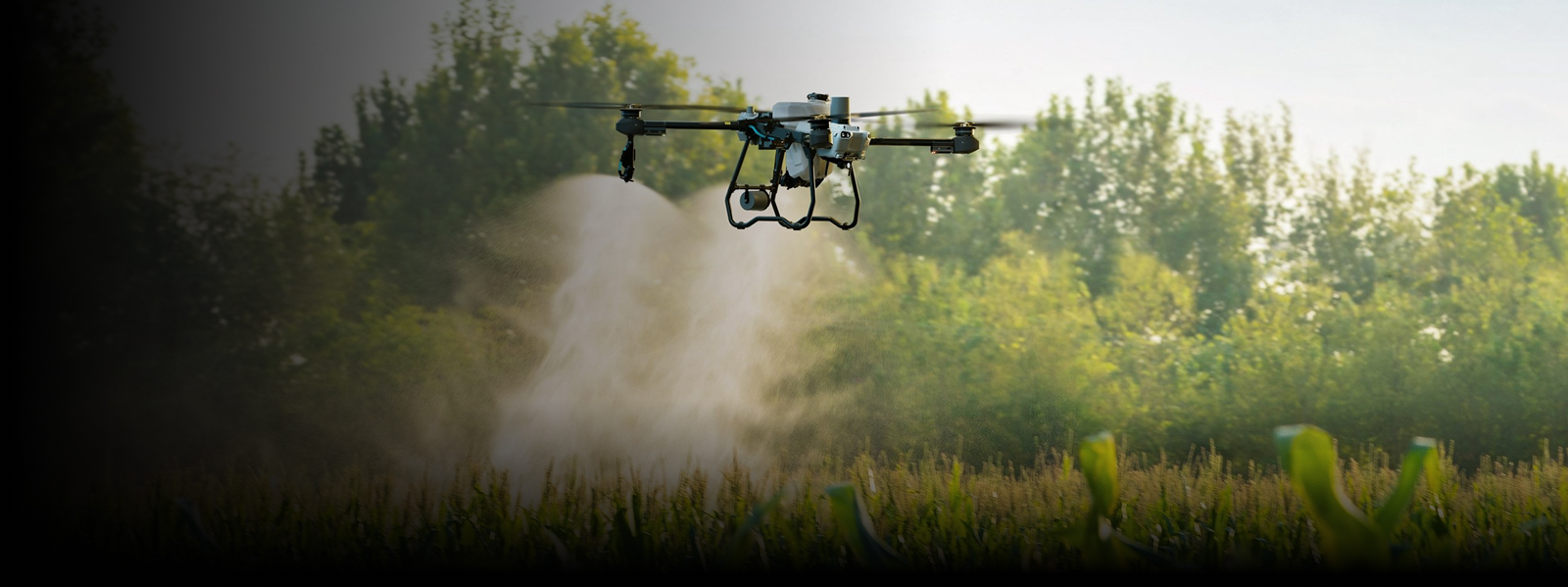

Gulfnet offers drone based precision agriculture services to help farmers, agribusinesses and plantation operators monitor crops, optimize inputs and make informed decisions throughout the growing cycle. Our solutions provide timely field intelligence with reduced manual efforts, wastage of inputs and operational risk.
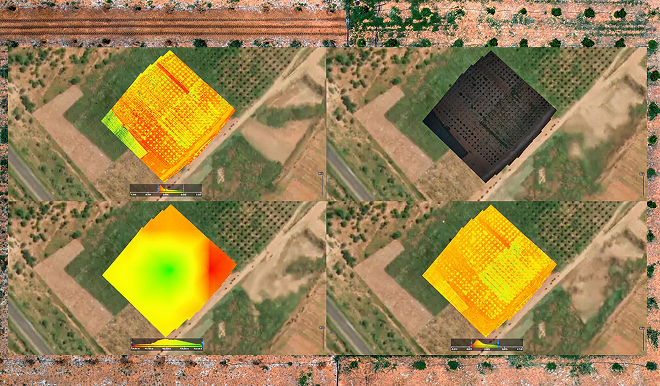
Traditional crop monitoring techniques depend heavily on ground inspections, which are time consuming, subjective and often limited in coverage. Early signs of crop stress, irrigation problems or uneven growth may go unnoticed until yield or quality get affected.
Services offered by Gulfnet’s drone-based agricultural solutions supply a wider, data-driven perspective of the field conditions allowing early intervention and improved planning without disturbing crops or everyday farm operations.
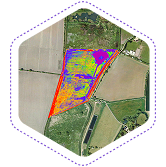
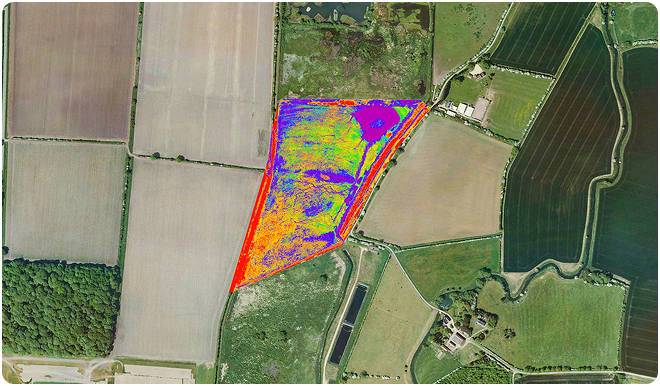
We use multispectral sensors to determine the health and variability of crops across fields.
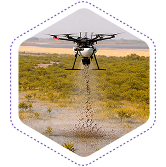
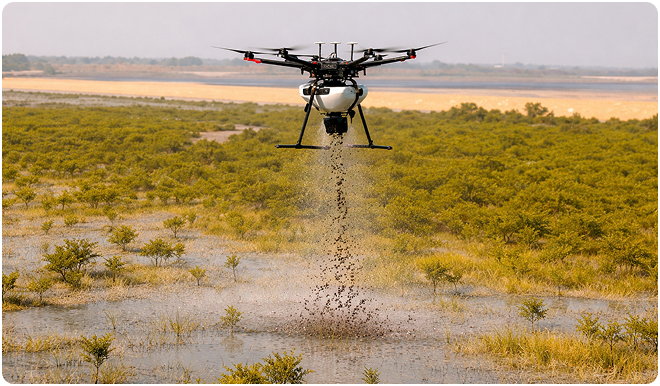
Our drone-based seed deployment services help in a controlled seeding in a specific or hard-to-reach area.
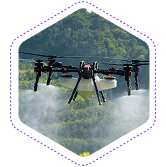
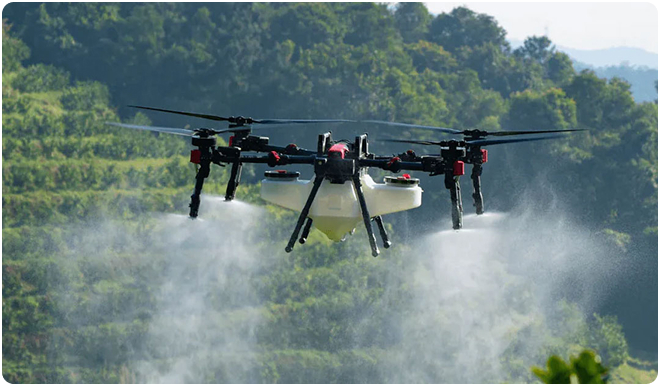
We offer drone spraying supports on agricultural liquids with precise and controlled application.
Targeted spraying to reduce chemical application
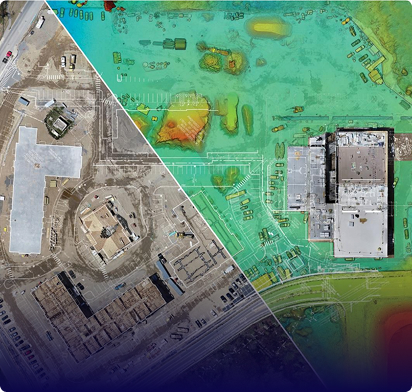
Your centralized platform for reviewing vegetation indices, tracking field conditions, and planning interventions.
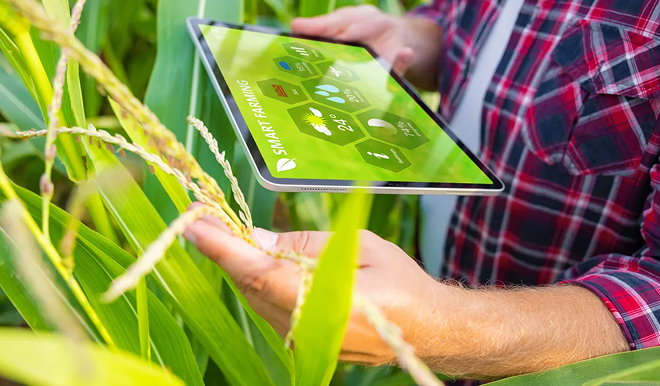
Gulfnet’s agricultural workflows are centered on useful outputs instead of raw data. Deliverables aim to help farmers and agronomists to look for issues early on, prioritise actions and become better at managing the fields more efficiently.
Our services support:
Monitor crop conditions, irrigation performance, and field variability using structured drone surveys and analytical reports.
Drone-based monitoring is suitable for a wide range of crops such as field crops, plantations, orchards, and horticulture. The effectiveness is dependent on the type of crop, the stage of growth, and the choice of sensor.
No. NDVI and other vegetation indices are an indicator of relative plant health and vigour. They support the decision making but do not directly measure the yield. Yield estimation needs additional agronomic analysis as well as ground data.
Monitoring frequency is reliant on the type of crop and the crop growth stage. Many farms conduct surveys at key points of the growing season such as early growth, mid-season and preharvest or after particular events such as irrigation or weather stress.
Drone spraying is carried out using approved procedures, calibrated application rates and regulatory requirements. It limits exposure for operators but should not be subject to local agricultural and aviation laws.
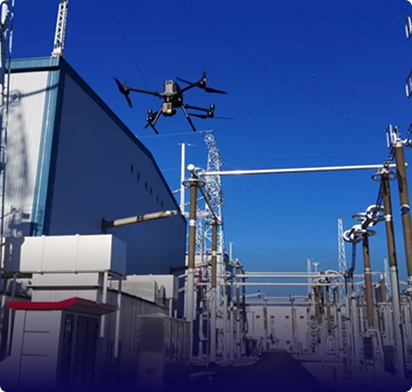
Our drones function as a strategic support and operational tool for precision agriculture. They complement traditional farming practices, but do not replace the knowledge of agronomics and ground-based activities.
Deliverables may include vegetation index maps, annotated imagery, field zone maps and summary reports geared toward farm management needs.
Request our capabilities deck and platform walkthrough to see reporting and workflows.