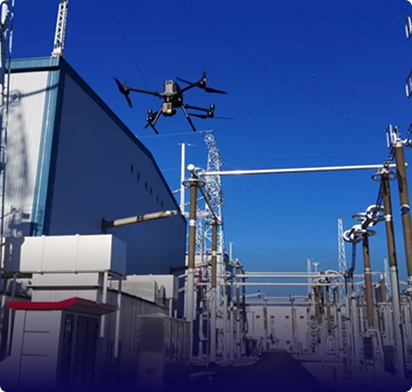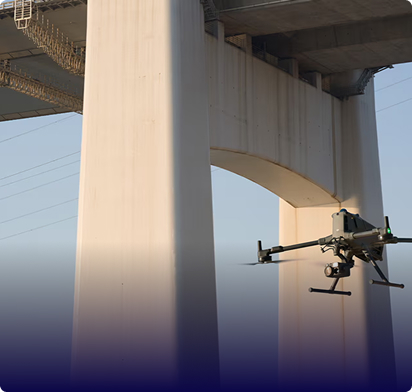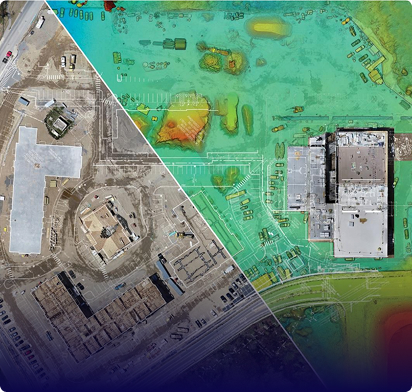
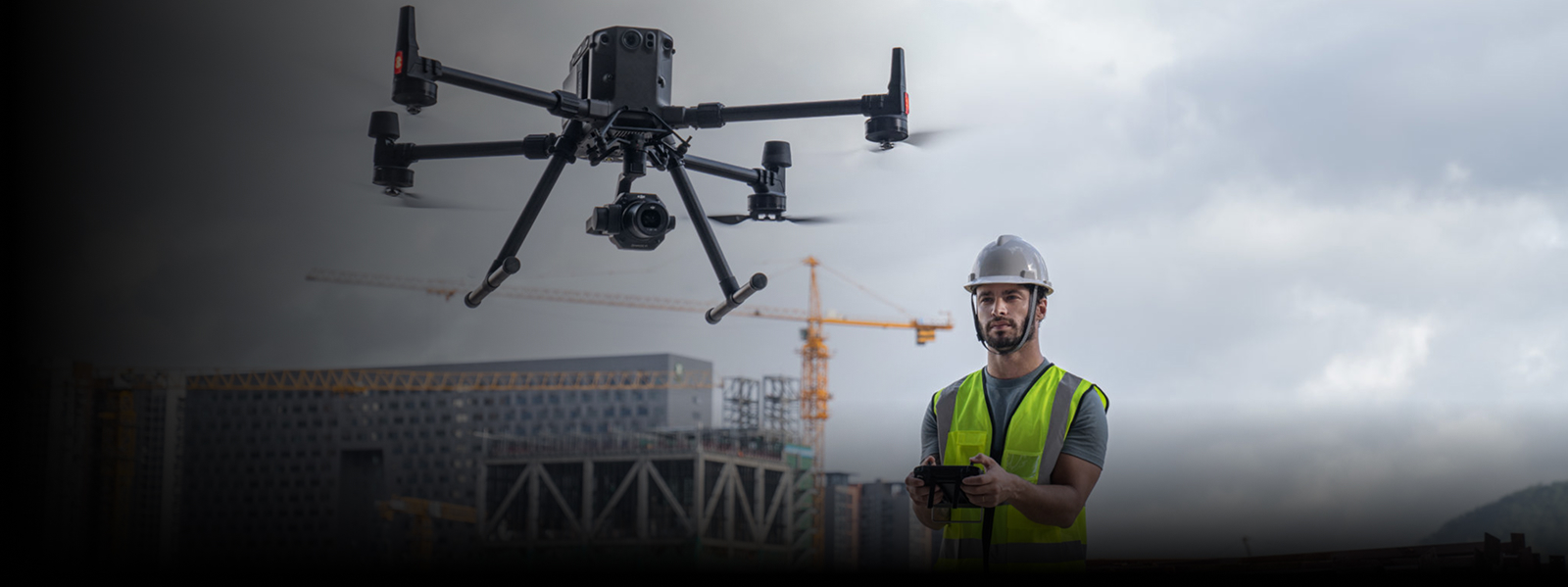

Gulfnet provides drone-based monitoring and documentation services that give project teams clear, up-to-date visibility of sites, assets, and ongoing works, supporting informed decisions, transparent reporting, and accurate records across construction, infrastructure, and industrial projects.
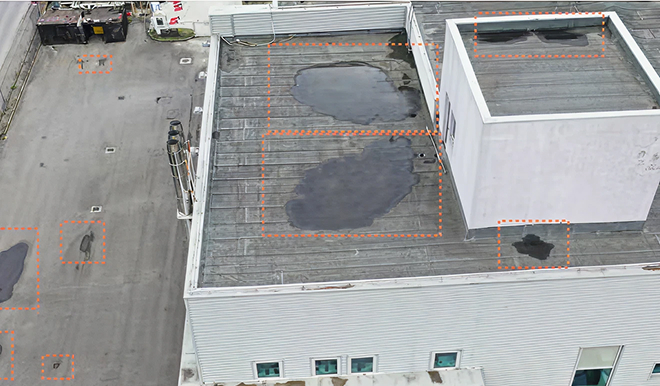
Conventional site monitoring is often based on manual inspection, reporting and ground-level photography. These methods offer poor visibility, are hard to repeat uniformly and may overlook changes for large or complex sites.
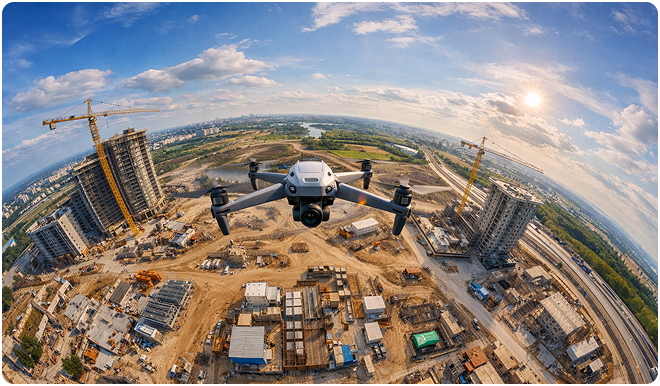
Gulfnet’s drone-based monitoring strategy provides comprehensive aerial perspectives and repeatable datasets and documentation – enabling stakeholders to make informed decisions on progress and conditions with confidence.
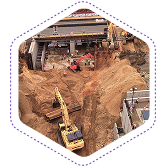
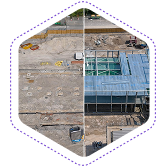
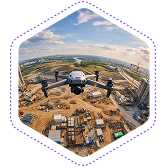
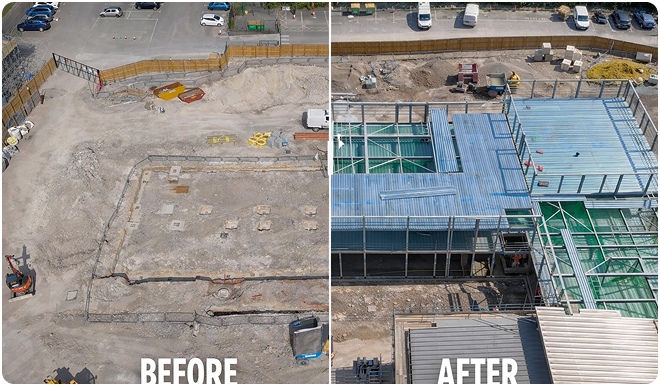
We assist the construction and EPC teams with regular aerial monitoring to monitor the progress of the project over time.
Periodic site surveys aligned with project milestones
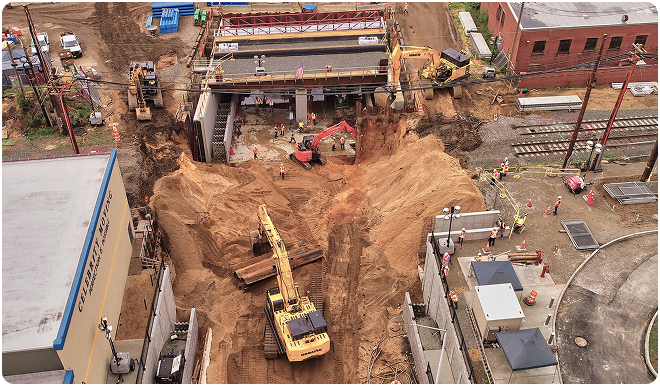
Our services include visual and measurement-based knowledge of site development and material movement.
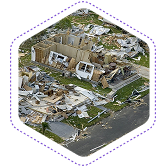
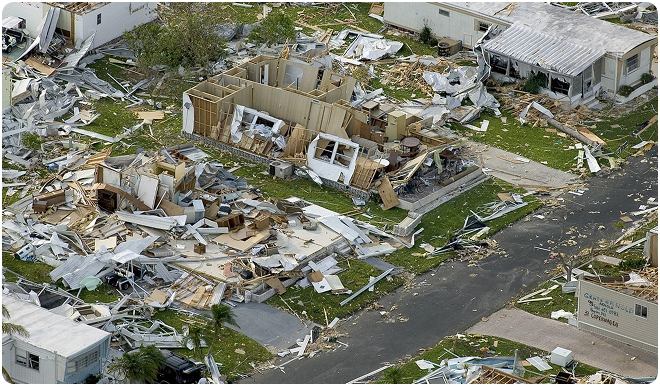
Gulfnet conducts fast aerial evaluations after events to report damages and aid decision making.
Safe inspection of affected areas without site access risks
We capture immersive panoramic imagery to provide comprehensive site context and remote visibility.
Share your project requirements. We’ll deploy UAV-based monitoring and structured reporting tailored to your operational needs.
Drone-based surveys can deliver high levels of accuracy when properly planned and conducted. Accuracy depends on things such as ground control, sensor type, and processing methods. Gulfnet defines achievable accuracy during the planning of projects, and documents the accuracy in deliverables.
LiDAR is more suitable for areas with dense vegetation, complex terrain, or areas where there is limited visibility of the ground. Photogrammetry is suitable for open areas and surface mapping. The choice of which one to use depends on the site conditions and project requirements.
Yes. Drone survey outputs such as orthomosaics, point clouds, contours, and surface models are commonly used for planning, design, and quantity estimation, subject to defined accuracy requirements.
Data acquisition is normally accomplished in a matter of hours, depending on the size and complexity of sites. Processing and final deliverables are done as per agreed schedule based on project scope and data requirement.
Yes. Drone surveys are highly suitable for active sites in order to reduce exposure to personnel, as well as minimising disruption. Operations are coordinated with site management and safety personnel.
Deliverables can be provided in standard formats compatible with CAD, GIS, and engineering software, including orthomosaics, point clouds, digital terrain models, and volume reports.
Request our capabilities deck and platform walkthrough to see reporting and workflows.