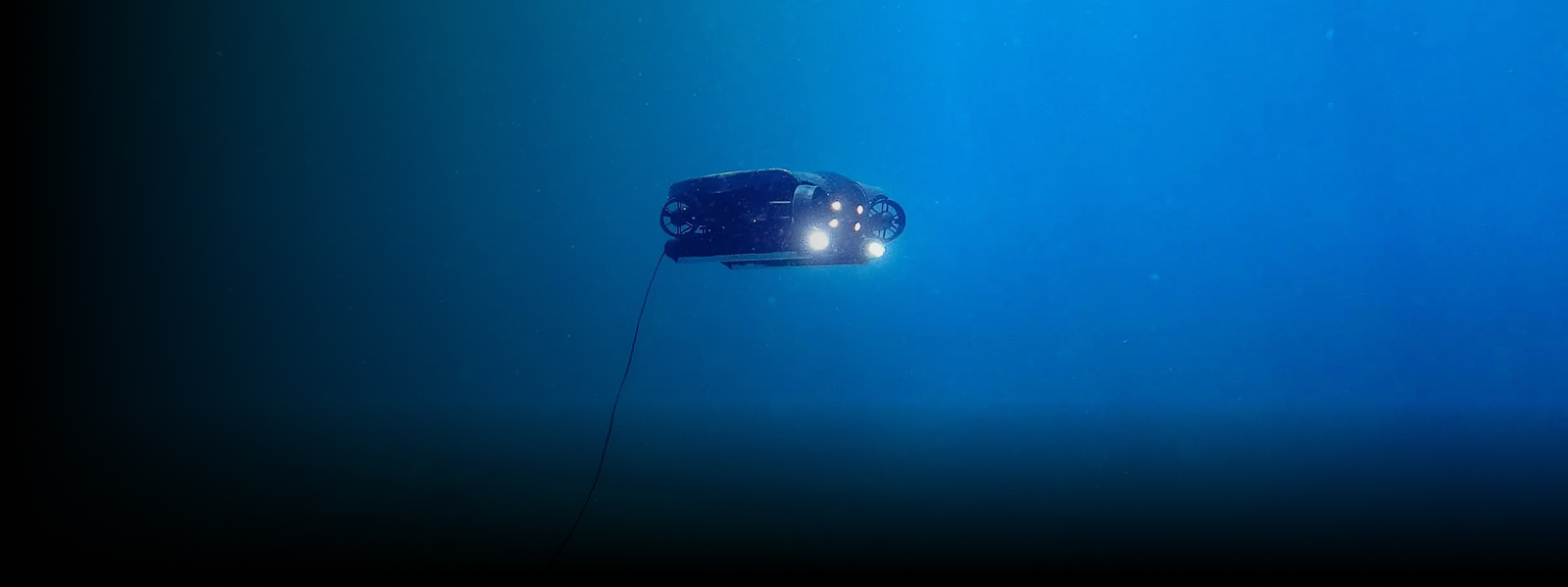
Gulfnet delivers Remotely Operated Vehicle (ROV) based inspection services for underwater and confined spaces where human access is unsafe or impractical, providing accurate visual data across marine, industrial, water, and energy assets throughout the GCC.
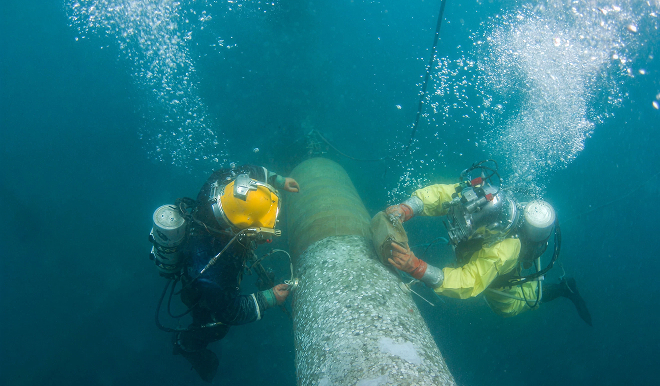
Traditional underwater inspections may involve diving personnel, which bring safety risks, limitations of weather and visibility, and also constraints of operations. Confined water-filled spaces provide even more hazards and complexity for inspection.
Gulfnet’s ROV solutions are a controlled, repeatable and safer alternative – they provide consistent inspection data while keeping personnel out of harm’s way. These services are delivered to marine infrastructure, industrial facilities, water utilities and energy assets throughout the GCC.
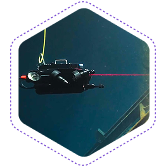
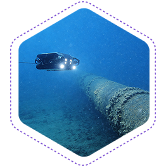
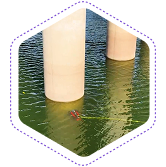
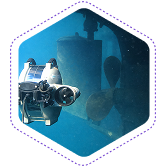
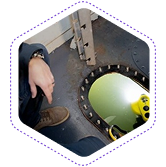
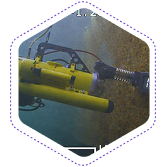
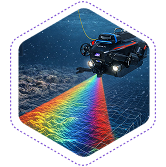
We perform thorough visual inspections of submerged assets using high definition cameras and controlled navigations.
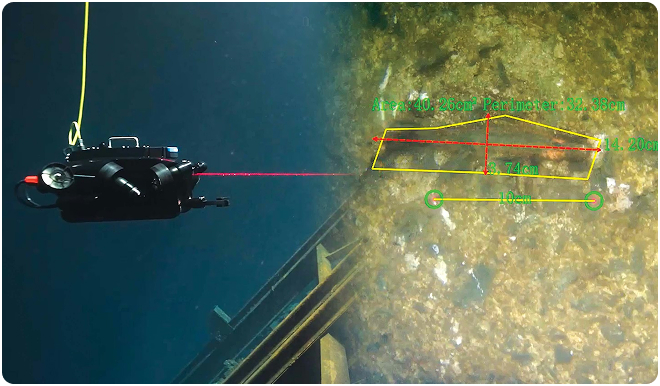
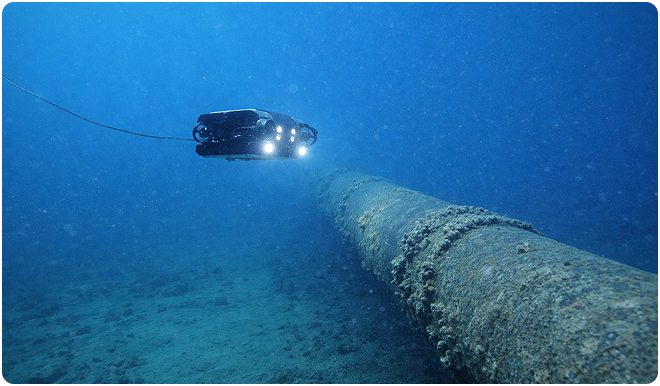
Our ROVs can be used to inspect subsea and submerged pipelines in order to see the external condition and alignment.
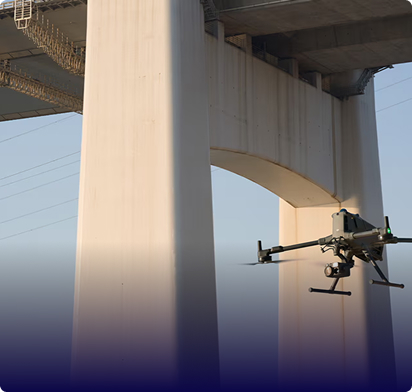
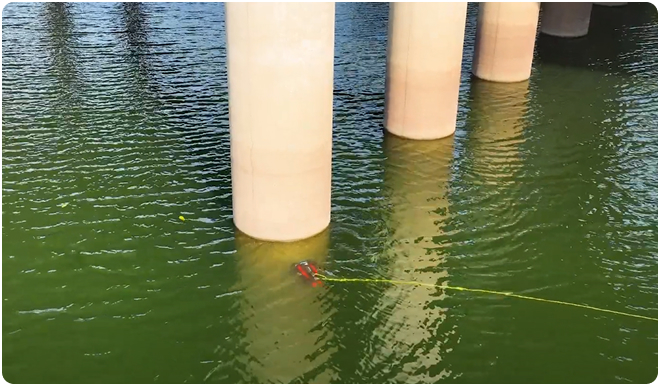
We inspect submerged bridge piers, foundations, retaining walls and structural elements.
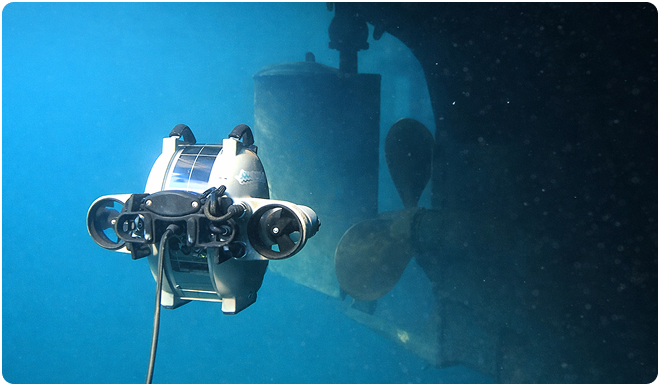
Gulfnet offers ROV based inspections for vessel hulls and propulsion systems.
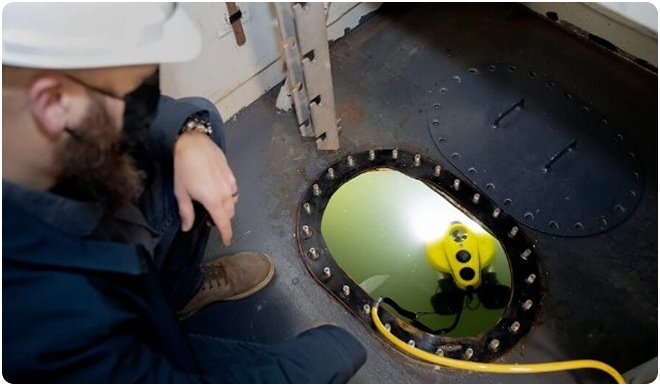
Our ROV inspections allow us to internally inspect tanks and reservoirs without completely draining them or putting any human into them.
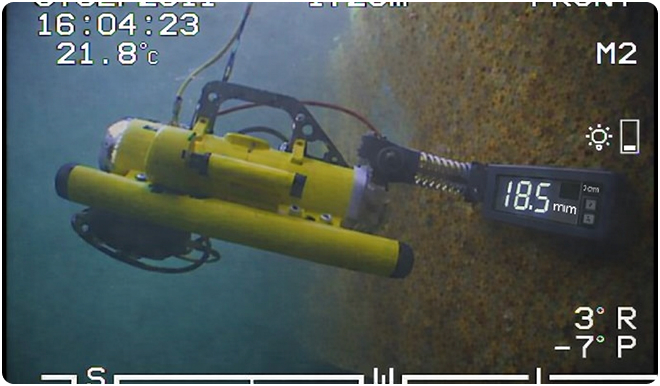
Our ultrasonic thickness measurement capabilities are currently under controlled development and validation and are offered on a project-specific or trial basis only.
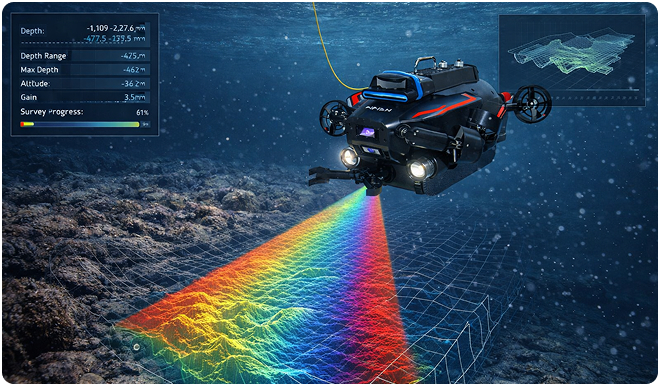
Our Bathymetric Surveying services are currently under controlled development and validation, and are offered on a project-specific or trial basis only.
Gulfnet's ROV operations are focused on safety, control and clarity. Inspections are designed to have defined scopes with clear deliverables and structured reporting to aid maintenance, compliance, and engineering decision-making.
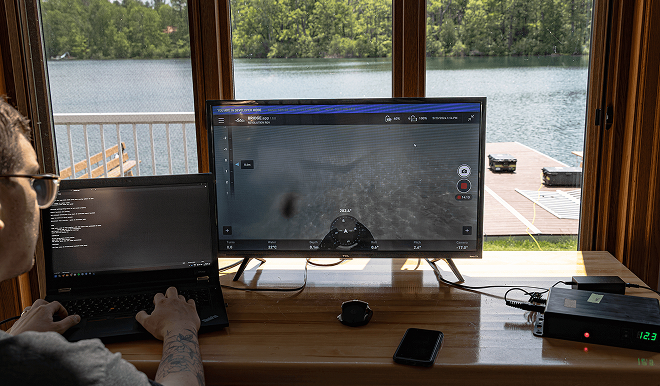
Tell us your underwater inspection requirements. We’ll deploy the appropriate ROV system and sensor payload for accurate subsea data capture.
ROV inspections are favored when safety hazards, confined conditions, depth, limited visibility or prolonged inspection times make diver access unsafe or inefficient. They are generally used where operations cannot be shut down.
ROVs are suitable for the inspection of submerged structures such as pipelines, bridge piers, foundations, quay walls, ship hulls and propellers, and water filled or partly filled tanks.
Yes. Many ROV inspections are done while assets are still in service, if site conditions and safety requirements permit. This is used to reduce downtime and no draining or shutdowns required.
Visibility has a direct impact on the quality of the inspection. While ROVs can be used in low visibility environments with the aid of artificial lighting, turbidity, sediment and flow conditions will sometimes limit visual details. These limitations are evaluated and recorded during the inspection planning.
No. ROVs significantly reduce the need for diver-based inspections, but some tasks that require the presence of divers such as repairs, tactile measurements, or certified jobs that require intervention may need them depending on the regulations or the project.
Deliverables usually include inspection video footage, still images, observed conditions and structured inspection report suitable for engineering review, maintenance planning and compliance documentation.
UT measurement and bathymetric surveying are presently offered under controlled R&D programs only. These services are offered on a trial or validation basis and not placed in a position of being certified inspection deliverables.
ROV inspections are usually carried out in a planned way to align with site-specific risk assessments, method statements, and coordination with client HSE teams. All operations are performed so that minimum risk is posed to personnel and ongoing activities.
Request our capabilities deck and platform walkthrough to see reporting and workflows.