
Gulfnet delivers drone facade inspection services for high-rise towers, hotels, and industrial assets, making drone facade inspection in UAE and GCC safer, faster, and defensible.
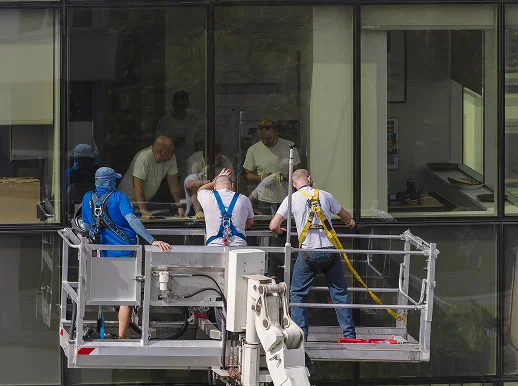
Rope access, scaffolding, and cradles slow projects, expose crews to fall risk, and inflate insurance premiums with every mobilisation. On live sites, they also disrupt tenants, block ground-floor access, and stretch project timelines by weeks.
Aerial facade inspection removes that friction. Drones capture every panel, joint, anchor, and sealant line without shutdowns, suspended platforms, or heavy lift equipment. Surveys that once took a month now finish in days, with sharper data and safer crews.
Gulfnet operates GCAA-approved teams across the UAE and wider GCC, backed by asset-integrity engineers, thermographers, and municipality-aligned reporting workflows. Every survey is executed to insurer, developer, and facilities standards from day one.
Full-envelope scans of skyscrapers, hotels, and mixed-use towers using stabilised drones and long-range optics.
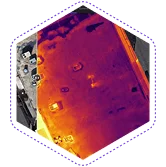
Radiometric imaging that reveals hidden moisture ingress, insulation gaps, and delamination behind cladding.
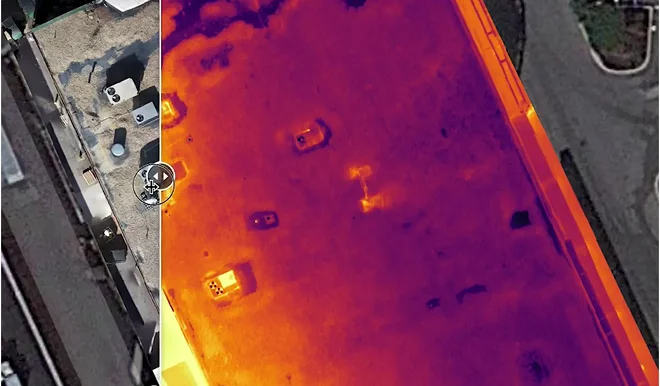
Systematic facade crack and defect detection across concrete, glass, aluminium, GRC, and stone finishes.
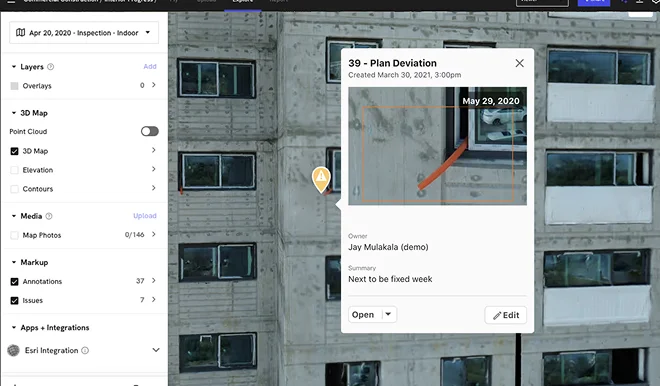
Structured facade condition assessment for repainting, recladding, and long-term capital expenditure planning cycles.
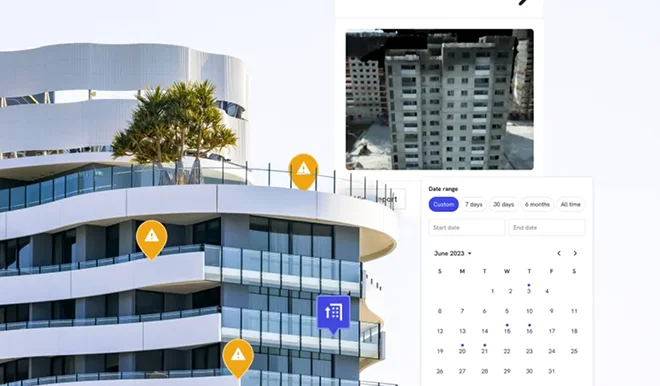
Comprehensive building envelope inspection services covering facades, roofs, parapets, atriums, and rooftop plant enclosures.
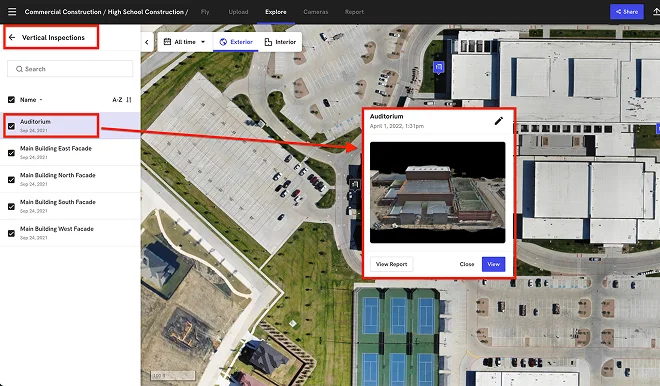
Inspection flights capture the data. Gulfnet Insight® delivers the answers.
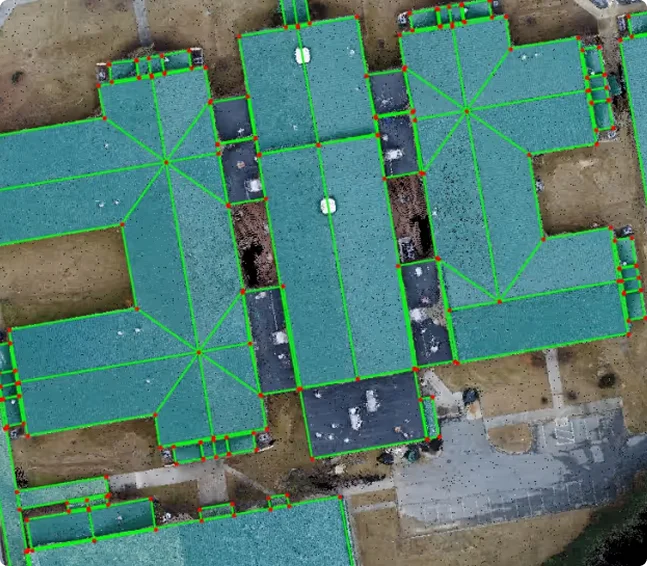
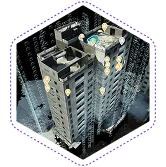
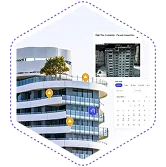
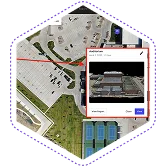
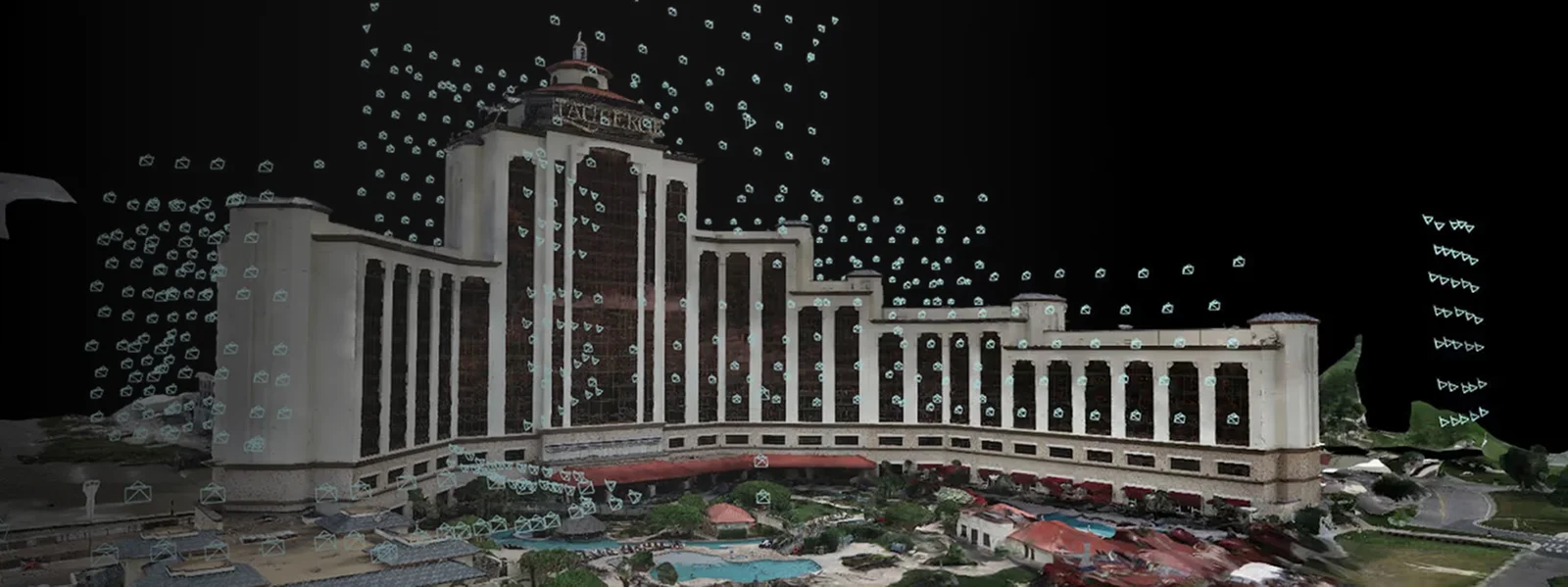
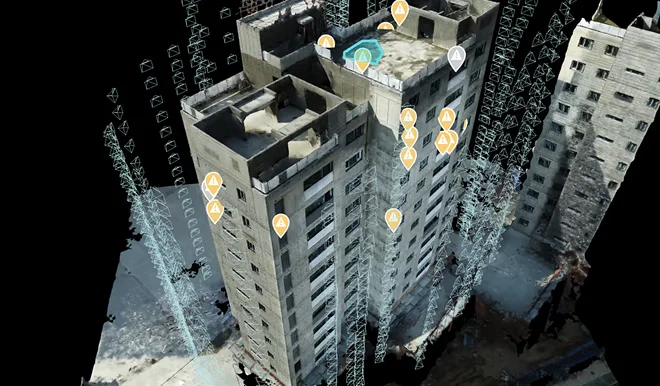
Gulfnet Insight® is where we turn every aerial facade inspection into a working intelligence layer for your estate. We ingest each drone capture, thermal pass, and defect note into a single cloud workspace built around your buildings, your elevations, and your maintenance calendar. From there, we render interactive 3D models, elevation heatmaps, defect libraries, and severity dashboards that your facilities, engineering, and asset teams can query without specialist software.
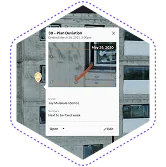
We tag every finding to its exact location, score it against industry criteria, and link it to the panel, anchor, or sealant it affects. Role-based access, exportable reports, and API hooks into your CAFM or CMMS let the platform fit the workflows you already run. Across successive surveys, we track how each defect evolves, how repair campaigns perform, and where capital spend is best directed next. The outcome is a defensible, decision-ready record that supports warranty claims, insurance reviews, municipality submissions, and board-level portfolio reporting across your UAE and GCC assets.
Share your inspection challenges with us. We'll build a drone-based solution that works around your operations.

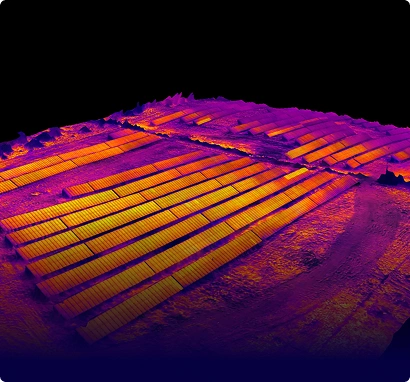
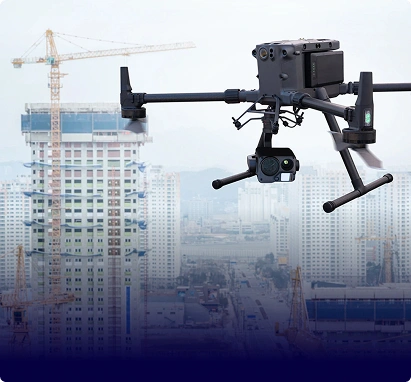
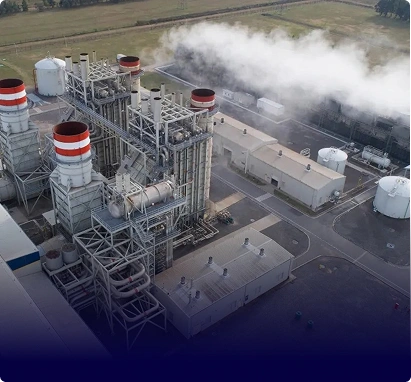
Building facade inspection with drones now matches, and often exceeds, the accuracy of manual rope access. High-resolution sensors capture sub-millimetre cracks, sealant failures, and cladding movement across every elevation without human proximity to the surface. Repeatable flight paths make year-on-year comparison reliable, and geotagged imagery removes ambiguity from defect location. For most high-rise and mid-rise buildings, drone facade inspection services deliver a more complete dataset in a fraction of the time.
Yes. Drone facade inspection in UAE is fully regulated. Facade inspection services in Dubai and the wider UAE operate under GCAA registration and DCAA permits for controlled airspace. Gulfnet holds active operator approvals, insurance cover, and site-specific risk assessments for every flight. We coordinate with Dubai Municipality, building owners, and facilities teams before mobilising. Facade inspection services in Dubai must also align with Dubai Municipality Facade Cleaning and Maintenance requirements, and our reports give compliance teams a defensible audit trail.
A drone facade survey captures visible and thermal anomalies across the exterior envelope. Visible cameras flag hairline cracks, spalling concrete, corroded fixings, sealant breakdown, glass damage, staining, and cladding misalignment. Thermal facade inspection with drones adds moisture ingress, insulation loss, air leakage, and delamination behind panels. Combined, these datasets support facade crack and defect detection at panel level, enabling targeted repairs rather than blanket recladding or repainting.
A typical high-rise facade inspection covering fifty storeys is flown in one to two days, weather permitting. Complex geometries, protected airspace, or dense urban settings can extend the mobilisation window. Post-flight processing for high-rise facade inspection typically takes five to seven working days, ending in a stitched orthomosaic, defect register, and executive summary. Compared to rope access programmes that run into weeks, the time saved is significant for operators managing tenant experience and event calendars.
Yes. Building exterior inspection with drones is fully contact-free. Our pilots maintain safe standoff distances calculated from wind conditions, glare, and reflectivity. Sensors zoom in optically to capture defects without lens fogging or panel contact. No suction cups, no ropes rubbing against joints, no residue. Building exterior inspection with drones has become the preferred method for curtain walls, unitised systems, and structural glazing, especially where insurers and warranty providers demand contact-free evidence.
You receive a full digital pack from every building facade inspection with drones we deliver. This includes a high-resolution 3D model, elevation orthomosaics, a defect register with severity scoring, thermal overlays, and a prioritised remediation plan aligned with your capex cycle. Everything sits inside Gulfnet Insight®, so facilities managers, engineers, and asset owners can query the same dataset. Our building envelope inspection services also consolidate results across portfolios, giving boards one clear view of estate-wide condition. Book a consultation to see a sample report.