


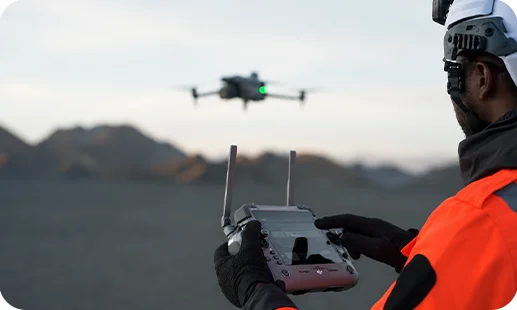
Kenyan energy and marine operators, from Turkana fields and the KPC pipeline to Mombasa and Lamu port terminals, face tough terrain, security risks and mounting inspection costs. Gulfnet answers with a full drone for oil and gas industry in Kenya program, combining DJI enterprise airframes, QYSEA underwater ROVs and trained local field crews.

Thermal hotspot detection for pipeline leak identification

Long range zoom cameras for flare tip inspection

RTK positioning for survey grade oil field mapping

Automated docking for scheduled pipeline corridor survey missions

IP55 weather sealed airframes for coastal Mombasa operations

LiDAR mapping for pipeline right of way corridors

Tethered underwater ROV inspection down to sixty meters
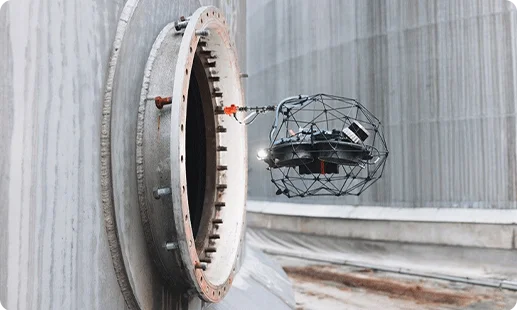
Collision tolerant flight for confined tank interior inspection
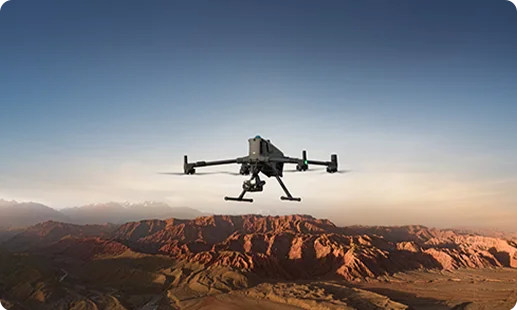
Primary pipeline inspection drone in Kenya, carrying Zenmuse H30T for thermal hotspot detection, high zoom fault review and safe stand off flare tip assessment work.
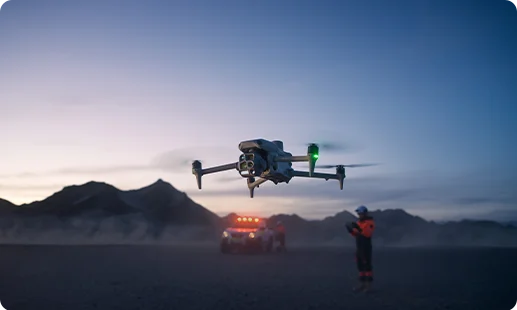
Compact flare stack inspection drone in Kenya offering wide, tele, medium tele and thermal cameras in one airframe for routine tank and rig checks.
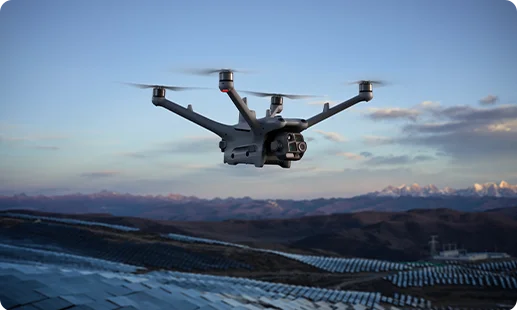
Automated pipeline corridor survey drone in Kenya for scheduled thermal and visual sweeps of oil field assets without on site crew mobilization every mission.
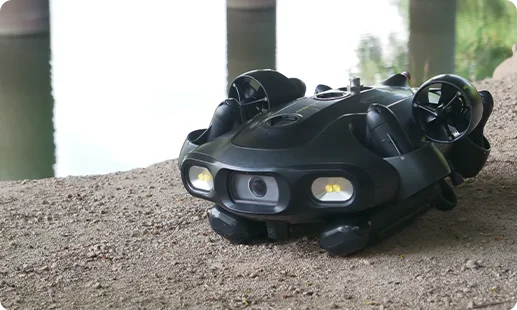
Industrial grade underwater inspection ROV in Kenya built for offshore, port and confined space marine work with stable maneuvering and live 4K visual feedback.
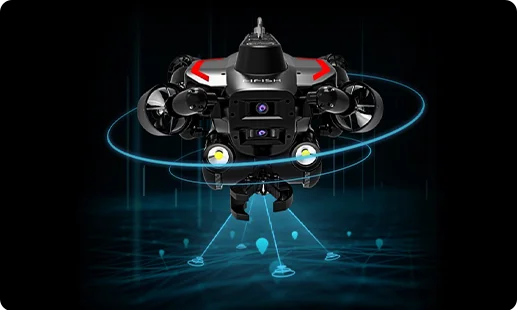
Portable QYSEA underwater drone in Kenya suited to fast visual inspection of piers, hulls and shallow marine infrastructure with a smart handheld control system onboard.
Confined space platform for GPS denied environments like storage tanks, vessels and process columns with cage protection and 3D LiDAR mapping used on oil sites.
Combines wide, tele, thermal and laser sensors for gas leak detection, flare tip review and hotspot mapping on pipelines.
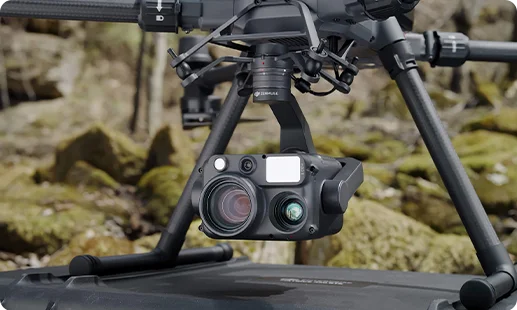
Single unit combining wide, medium tele, tele and thermal cameras for tank exteriors, rig walk arounds and rapid site documentation.
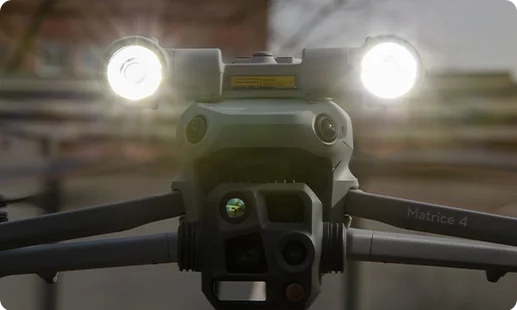
Integrated zoom and thermal package tuned for automated dock missions, unattended pipeline sweeps and repeatable corridor thermal baselining.
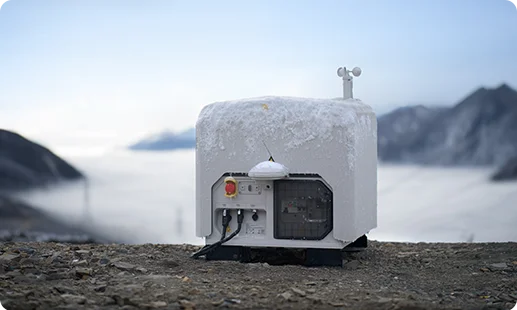
Underwater 4K optics with a 6800 lumen LED array for jetty piles, hulls, mooring lines and subsea pipeline segments.

Point cloud and thermal capture inside sealed tanks, boilers and columns where satellite positioning is blocked for asset owners.
From Turkana wellheads to Mombasa jetties, aerial and underwater platforms are rewriting how Kenyan operators inspect assets.

Rugged Turkana terrain and long KPC pipeline corridors that once needed truck patrols are now swept overhead in a fraction of the time.
Rope access on flare tips, dive teams on jetty piles and scaffolding on tanks are being replaced by safe stand off aerial thermal drone inspections and QYSEA underwater ROV sweeps.
Methane detection drone in Kenya deployments give operators early leak signals hours before manual patrols would find them, cutting product loss.
KCAA RPAS licensing and rising EPRA reporting expectations are pushing operators to document inspections with defensible aerial and underwater evidence.
Talk to Gulfnet about a Matrice 400, Dock 3 or QYSEA deployment tailored to your Turkana field, KPC pipeline corridor, Mombasa refinery, Lamu jetty or offshore platform in Kenya.
For most Kenyan operators, the DJI Matrice 400 RTK paired with the Zenmuse H30T is the strongest all around oil and gas drone in Kenya. It covers pipeline inspection, tank walls, flare tips and rig walk arounds with one airframe. Where automation matters, the Dock 3 with Matrice 4TD handles unattended pipeline corridor sweeps. For subsea and jetty work in Mombasa or Lamu, the QYSEA FIFISH PRO W6 underwater ROV takes over. Gulfnet builds the mix around your asset profile, KCAA approval scope and site access constraints rather than pushing a single model.
Yes. Gulfnet supplies the DJI Matrice 400 RTK, Matrice 4 Series and Dock 3 as a pipeline inspection drone in Kenya, delivered with the Zenmuse H30T thermal and zoom payload, RTK base kit, pilot training and KCAA documentation support. We also configure automated docking stations for KPC pipeline corridors so recurring sweeps run without dispatching a crew each mission. Whether you operate a single field spur or a national transmission line, the platform is scoped to your terrain, mission cadence and reporting workflow. Contact Gulfnet for a written quote and a demonstration plan.
Gulfnet delivers methane detection drone in Kenya deployments from Nairobi, pairing DJI Matrice 400 airframes with laser methane and thermal sensors so leaks show up on live video and in the flight log. Depot delivery is available across Nairobi, Mombasa and Nakuru, with pilot handover and calibration handled at your site. For teams operating in Turkana or Lokichar, we mobilize crews directly to the field. Reach out with your survey area, gas type and cadence and we will build a scoped proposal that suits your inspection standard.
Gulfnet is a specialist flare stack inspection drone in Kenya supplier, deploying the DJI Matrice 4 Series and Matrice 400 RTK with the Zenmuse H30T for safe stand off thermal drone for oil and gas in Kenya applications. Pilots hold KCAA RPAS credentials and operate to industrial site permit standards. Missions cover tip erosion, coker inspections, refractory hotspots and radiant heat mapping without shutting the stack. If you run a refinery in Mombasa or a processing plant in Turkana, we scope the survey, deliver the imagery and hand over annotated defect reports.
A gas leak detection drone in Kenya combines thermal imaging, methane sensitive optics and high zoom cameras to spot vapor clouds, temperature anomalies and third party interference along a right of way. Gulfnet flies the DJI Matrice 400 with the Zenmuse H30T over KPC and upstream lines, capturing geo tagged evidence and change detection between missions. The Dock 3 supports recurring oil pipeline surveillance drone in Kenya sweeps, so operators build a leak history rather than a snapshot. Every gas leak detection drone in Kenya mission ends with a defect log ready for integrity review.
Two options carry most of the load. Above water, the DJI Matrice 400 RTK acts as an offshore inspection drone in Kenya, handling deck, flare, riser and derrick imaging with the Zenmuse H30T. Below water, the QYSEA FIFISH PRO W6 industrial ROV inspects jacket legs, risers and mooring chains down to sixty meters. For Lamu and Mombasa coastal projects, Gulfnet mobilizes both crews together so a single site visit covers the full offshore inspection drone in Kenya scope. Pricing depends on distance offshore, mission duration and reporting format, which we scope on request.
An oil storage tank inspection drone in Kenya replaces rope access and scaffolding for shell wall checks, roof surveys and vent inspections. The Matrice 400 with the Zenmuse H30T identifies hotspots, corrosion patches and coating failures from a safe stand off. For interior work on out of service tanks, the Flyability Elios 3 flies inside the shell using LiDAR and thermal imaging without GPS. Gulfnet coordinates the sequence with your turnaround team so the oil storage tank inspection drone in Kenya campaign lands inside the shutdown window and reaches integrity engineers with defect coordinates already tagged.
For a refinery inspection drone in Kenya, Gulfnet fields the DJI Matrice 400 RTK for external unit walk arounds, cooling tower checks and flare tip surveys, and the Matrice 4 Series for lighter recurring inspections. The Elios 3 covers confined interiors of columns, boilers and heaters during shutdowns. Payloads include thermal, high zoom and LiDAR options. Every mission runs to KCAA rules and site permit requirements, with a briefing agreed before mobilization. For KPRL Mombasa scale work or private downstream plants, we scope the drone mix to the unit schedule and access constraints.
Yes. Gulfnet provides onshore rig inspection drone in Kenya coverage across Turkana, Lokichar and other upstream basins. The Matrice 400 handles derrick, top drive, flare and pipe rack thermal drone for oil and gas in Kenya inspections, while the Elios 3 enters confined process equipment during maintenance windows. Crews mobilize with spare batteries, generator support and site safety documentation so the rig program continues without waiting on inspection logistics. For remote fields, we also stage the Dock 3 to run scheduled sweeps of surrounding infrastructure between manual missions.
Yes. An LNG terminal drone in Kenya scope typically covers cryogenic storage tank exteriors, jetty piles, loading arms, flare tips and vapor return lines. Gulfnet uses the Matrice 400 with the Zenmuse H30T for cold spot detection on insulation, the Matrice 4 Series for rapid deck sweeps and the QYSEA FIFISH PRO W6 for underwater berth and jetty pile checks. Missions are planned around vessel schedules and cryogenic exclusion zones. If your LNG terminal drone in Kenya project sits at Mombasa, Lamu or a proposed Kilifi site, we scope the survey window in writing.
A pipeline corridor survey drone in Kenya mission usually covers right of way encroachment, third party excavation, thermal anomalies and vegetation intrusion. Gulfnet flies the Matrice 400 with the Zenmuse L series for LiDAR corridor mapping and the H30T for thermal and zoom checks. Where the same segment needs weekly or monthly sweeps, the Dock 3 with Matrice 4TD runs autonomously from a fixed base. The oil field survey drone in Kenya output feeds into GIS platforms with change detection layers, giving integrity and security teams the same underlying evidence set.
Yes. For a marine inspection drone in Kenya scope at Mombasa, Lamu or Kilifi, Gulfnet combines aerial and underwater platforms. The Matrice 400 captures deck, crane and quayside imagery, while the QYSEA FIFISH PRO W6 acts as the underwater inspection ROV in Kenya, handling hulls, propellers, jetty piles and mooring lines. For port surveillance drone in Kenya work, we set up scheduled aerial patrols and event based flights around vessel movements. The QYSEA underwater drone in Kenya crews carry backup units so operations continue during long dive campaigns.
Send Gulfnet a short brief covering your asset type, location, mission cadence and reporting format. Our team responds with a scoped proposal covering the recommended drone, payload, pilot resource, KCAA paperwork and delivery timeline. For pipeline inspection drone in Kenya work we include mission planning maps, and for refinery or LNG scopes we align with your turnaround schedule. Standard consultations are complimentary. Specific pricing depends on distance, duration and reporting format so we avoid publishing generic figures. Reach out through the consultation form or call the Nairobi desk to start a scoped conversation.
Gulfnet is a full stack drone deployment partner, not a box seller. We combine DJI enterprise airframes, QYSEA underwater ROVs and Flyability confined space units into scoped programs. For an oil pipeline surveillance drone in Kenya contract, we handle KCAA paperwork, pilot training, base station setup and reporting workflow, not just hardware. Our refinery inspection drone in Kenya crews carry site specific permits and JSA templates before mobilization. Every onshore rig inspection drone in Kenya scope is tied to a named asset and mission cadence, so buyers pay for outcomes rather than idle equipment.
Yes. Gulfnet runs scheduled demonstrations of the methane detection payload, the marine inspection drone in Kenya combo of Matrice 400 and QYSEA FIFISH PRO W6, and the port surveillance drone in Kenya setup. Demos are held at a site of your choice or at a Gulfnet controlled area. For upstream teams, we can pair the demo with an oil field survey drone in Kenya sample flight so decision makers see both the imagery and the deliverable format. Contact the Nairobi office to reserve a slot with a certified pilot and full payload kit.
