


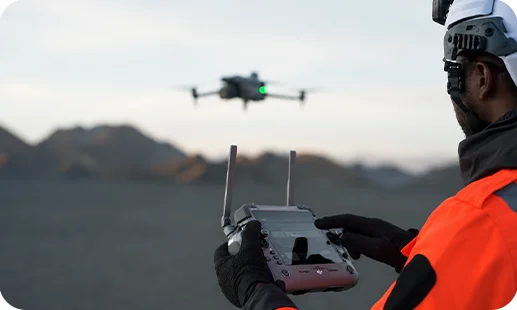
Tanzania’s oil, gas, LNG and marine operators face rising pressure around safe access, corrosion, remote asset visibility and inspection reporting. Drones now solve these challenges faster, cheaper and safer than legacy methods. Gulfnet brings certified pilots, industrial platforms and full sensor expertise to every deployment nationwide.

Long endurance flights across pipeline corridors and offshore blocks

Radiometric thermal imaging for leak and hotspot detection

Centimeter-grade RTK positioning for engineering-grade survey data

LiDAR mapping through mangrove, coastal and rig terrain

Automated dock-based inspection for unmanned recurring missions

Underwater ROV inspection down to sixty metres tethered depth

Confined-space flight inside tanks, vessels and pressure risers
IP55 weather resistance for coastal humidity and monsoon conditions
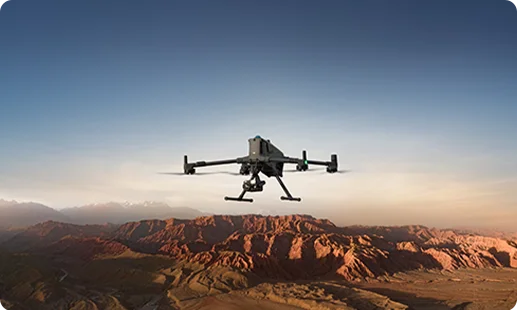
A long-range flagship serving as a flare stack inspection drone in Tanzania, this platform handles 40 km corridor survey missions with heavy payload versatility.
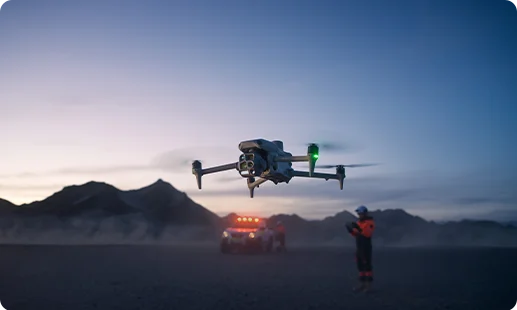
An integrated wide, tele and thermal camera platform ideal as a refinery inspection drone in Tanzania for rapid site walks and daily monitoring rounds.
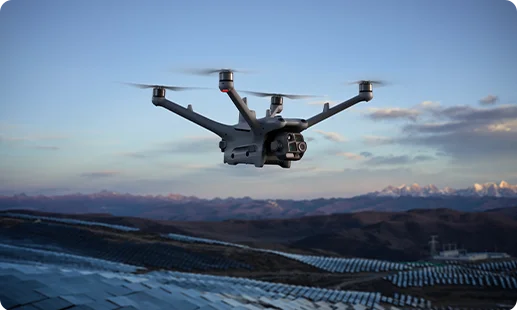
A fully automated docking system used as an oil pipeline surveillance drone in Tanzania, enabling scheduled 24/7 corridor patrols across remote midstream assets.
An industrial-grade underwater inspection ROV in Tanzania purpose-built for offshore rigs, mooring lines, LNG intakes and confined subsea structural assessments.
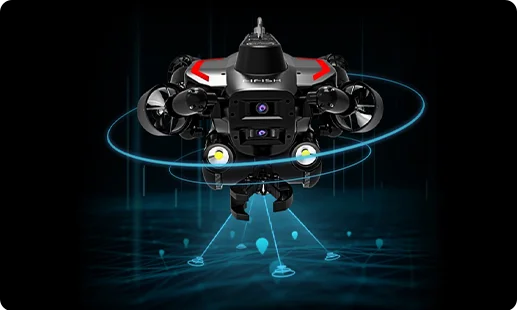
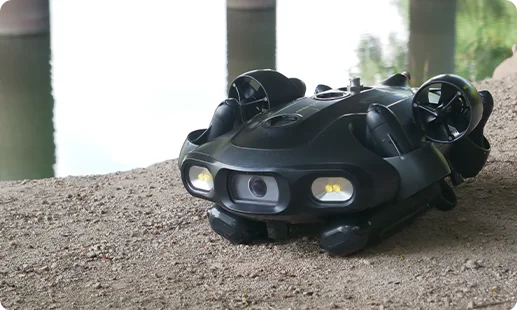
A compact QYSEA underwater drone in Tanzania designed for rapid deployment during routine hull, jetty and shallow harbour visual inspection tasks.
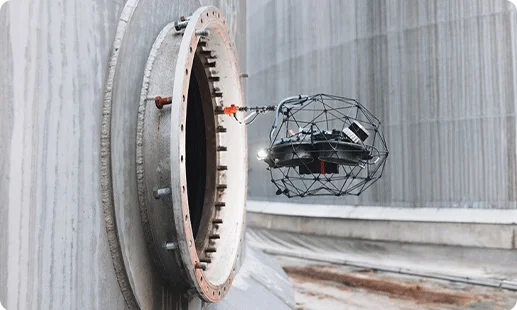
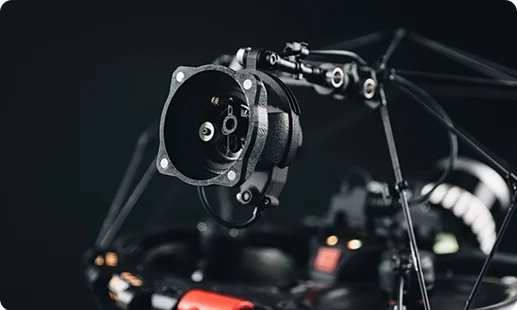
A collision-tolerant caged drone built for GPS-denied confined spaces such as storage tanks, boilers, ballast tanks and process vessels across Tanzania sites.
Multi-sensor thermal, zoom, wide and laser payload used as a methane detection drone in Tanzania supporting hotspot and anomaly imaging.
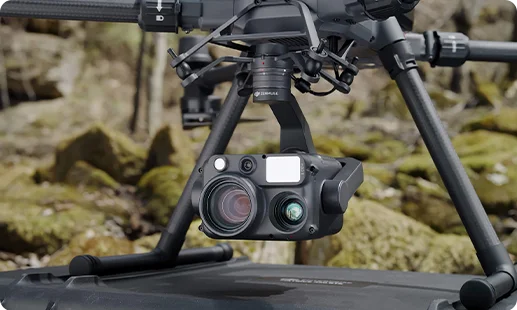
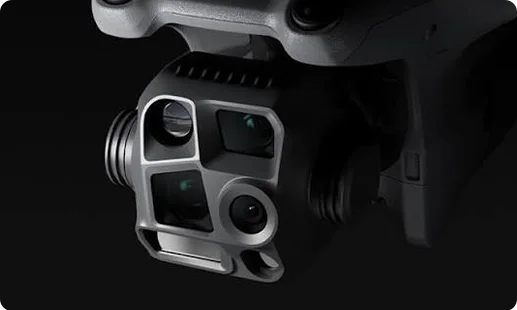
Matrice 4 Series onboard imaging suite acting as a refinery inspection drone in Tanzania sensor covering wide, telephoto and thermal capture.
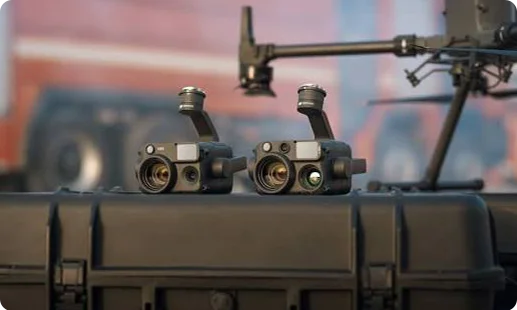
Dock 3 onboard zoom and radiometric thermal package supporting automated oil pipeline surveillance drone in Tanzania monitoring rounds.
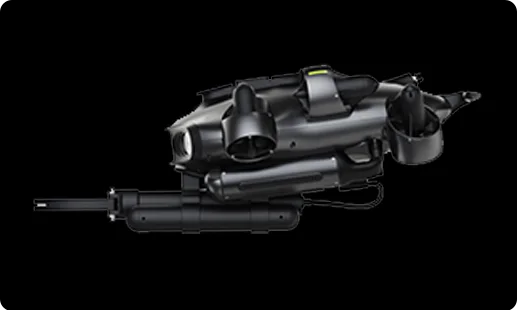
Underwater 4K UHD camera with AI vision lock and 6800-lumen LEDs for detailed subsea marine inspection drone in Tanzania missions.
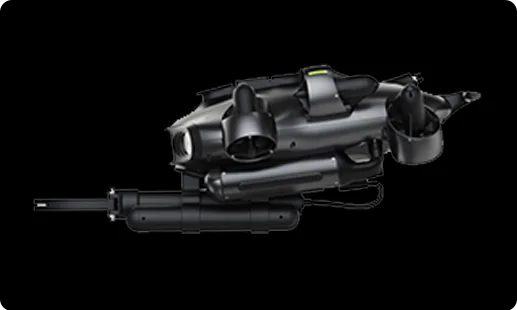
Portable 4K underwater camera with smart control system for rapid hull, jetty and shallow-water underwater inspection ROV in Tanzania work.
Collision-tolerant indoor sensor bundle capturing 3D scans and thermal data for confined tanks, silos and vessel interiors.
From Mnazi Bay to Tanga port, drones are rewriting how operators manage safety, uptime and inspection reporting.

Offshore rigs, LNG jetties and Songo Songo assets are now inspected without rope access, cutting shutdown windows and worker risk considerably.
Automated dock deployments let a pipeline inspection drone in Tanzania patrol EACOP-linked corridors nightly, replacing costly weekly vehicle sweeps.
Thermal drone for oil and gas in Tanzania missions detect flare tip degradation and refinery hotspots long before a scheduled turnaround would.
TCAA RPAS clearance and EWURA-friendly reporting workflows enable enterprise-grade adoption for TPDC operators, IOCs and independent service contractors.
Speak with Gulfnet about deploying an offshore inspection drone in Tanzania, LNG terminal drone in Tanzania coverage, or underwater ROV survey tailored to your assets.
For most Tanzanian operators, the DJI Matrice 400 RTK paired with the Zenmuse H30T is the strongest all-round oil and gas drone in Tanzania. It offers 59 minutes of flight, 40 km range, IP55 weather resistance and interchangeable thermal, LiDAR and photogrammetry payloads. For automated remote operations, we recommend the DJI Dock 3 with Matrice 4TD, and for subsea inspections the QYSEA FIFISH PRO W6 leads the field. The right choice depends on your site conditions, asset type and reporting requirements. Reach out to Gulfnet for a matched recommendation.
Gulfnet supplies pipeline inspection drone in Tanzania solutions directly to operators, EPC contractors and midstream service providers. We handle model selection, payload matching, TCAA airworthiness documentation, pilot training and post-sales technical support. Whether you require a single Matrice 400 RTK for corridor patrols or a Dock 3 system for automated recurring inspection, our team will guide you through specification, procurement and deployment. Contact our Dar es Salaam engagement desk with details on your corridor length, terrain and inspection frequency, and we will build a tailored proposal for your operation.
Gulfnet supplies methane detection drone in Tanzania capability across Dar es Salaam and nationwide. Our fleet integrates thermal imaging payloads such as the Zenmuse H30T, along with compatible gas sensing add-ons, mounted on DJI Matrice 400 RTK platforms. This combination supports leak surveys, flare stack monitoring and fugitive emissions detection for LNG, refinery and storage assets. We provide either equipment supply or fully managed inspection services depending on your operational preference. Contact our team for a site assessment and payload configuration that matches your exact detection thresholds.
Gulfnet is a specialist flare stack inspection drone in Tanzania supplier, serving refinery, LNG and upstream clients. Our recommended platform is the DJI Matrice 400 RTK equipped with the Zenmuse H30T, which delivers thermal and 34x zoom imaging at safe stand-off distances from live flare tips. We also support inspections using the Matrice 4 Series for compact missions. Every deployment is planned with TCAA compliance and operational safety in mind. Speak with our team to schedule a demonstration or discuss integration with your existing turnaround inspection programme.
For pipeline leak detection, Gulfnet recommends the DJI Matrice 400 RTK carrying the Zenmuse H30T thermal payload, which excels at identifying temperature anomalies indicating leaks along buried and above-ground segments. For continuous surveillance, the DJI Dock 3 with Matrice 4TD supports scheduled automated corridor patrols, functioning as a persistent oil pipeline surveillance drone in Tanzania. Paired with radiometric thermal analysis and RTK positioning, these platforms deliver leak coordinates accurate enough for maintenance dispatch. Contact Gulfnet to design a corridor patrol programme suited to your pipeline length, terrain and reporting cadence.
Offshore drone pricing depends on model, payload selection, training package and support services included. An offshore inspection drone in Tanzania configuration built around the DJI Matrice 400 RTK with the Zenmuse H30T sits in the enterprise category, while underwater ROVs such as the QYSEA FIFISH PRO W6 are priced separately based on tether length and accessories. Rather than share a generic price, Gulfnet prefers to understand your inspection scope first and provide a matched proposal. Reach out to our Dar es Salaam team for a detailed quotation aligned to your offshore project.
Requesting a quote from Gulfnet is straightforward. Share your industry, asset type, inspection frequency, preferred deployment model (owned equipment or managed service), and any specific payload requirements. Our team will match you with the right drone for oil and gas industry in Tanzania and prepare a proposal covering hardware, payloads, training, spares and post-sales support. Use our contact form, email or Dar es Salaam desk line. We usually respond within one working day with a scoping call and follow up with a formal commercial proposal shortly after.
The DJI Matrice 400 RTK with the Zenmuse L3 LiDAR payload is our recommended pipeline corridor survey drone in Tanzania. It captures dense point cloud data across kilometres of terrain, including mangrove, forest and inaccessible right-of-way sections common along Tanzanian corridors. For photogrammetry alongside LiDAR, the Zenmuse P1 payload is added on the same airframe. This combination gives operators survey-grade base maps, encroachment detection and volumetric analysis in one workflow. Speak to Gulfnet to plan a corridor survey scoped to your route and reporting deliverables.
Yes, Gulfnet arranges live equipment demonstrations for qualified enterprise clients in Dar es Salaam and other Tanzanian cities. Demonstrations typically cover the DJI Matrice 400 RTK, Zenmuse H30T payload capability, methane and gas leak detection drone in Tanzania workflows, and where relevant, the DJI Dock 3 automated system. Demos can be held at your site or a coordinated location. Contact our team to check upcoming demo slots, share your operational context and confirm attendance. We will align the session to the exact use case you want to evaluate.
For refinery inspection, Gulfnet deploys a combination of aerial and confined-space platforms. Externally, the DJI Matrice 400 RTK with the Zenmuse H30T handles structural, thermal and process unit inspection. For daily walk-around inspections, the DJI Matrice 4 Series is a compact option. Inside pressure vessels, columns, tanks and boilers, the Flyability Elios 3 operates as a collision-tolerant confined-space inspection unit. Together these platforms cover the full inspection scope. Contact Gulfnet to design an inspection programme suited to your refinery turnaround, routine and shutdown cycles.
Yes, Gulfnet provides onshore rig inspection drone in Tanzania solutions for exploration, drilling and production operators. Our primary recommendation is the DJI Matrice 400 RTK equipped with the Zenmuse H30T for thermal and high-zoom rig inspection. For automated recurring monitoring of onshore rig complexes, we deploy the DJI Dock 3 with Matrice 4TD. This mix covers structural inspection, mast checks, thermal hotspots and safety perimeter monitoring. Contact our team to discuss deployment models, HSE integration and training packages built for onshore rig operators working across Tanzania basins.
Yes, drones are actively used across LNG assets, and Gulfnet supplies LNG terminal drone in Tanzania solutions for the Mtwara and future Lindi projects. Inspections typically use the DJI Matrice 400 RTK with the Zenmuse H30T for tank shells, flare tips and cryogenic piping. Marine intakes, jetties and subsea structures are inspected using the QYSEA FIFISH PRO W6 underwater ROV. This dual coverage supports safe stand-off inspection and reduces the need for scaffolding or diver deployment. Contact Gulfnet to structure an LNG asset inspection programme tailored to your facility layout.
Gulfnet is an authorised supplier of QYSEA underwater drone in Tanzania platforms, including the FIFISH PRO W6 and FIFISH E-GO. We support marine, port, LNG and offshore operators with underwater inspection ROV in Tanzania sales, tether accessories, training and after-sales service. The PRO W6 suits industrial offshore and confined-space work, while the E-GO fits rapid harbour and jetty inspections. Reach out to our team with details of your operating depth, environment and inspection scope, and we will match the right unit and accessories to your requirement.
Yes, Gulfnet supports port operators, terminal managers and coastal security teams with marine inspection drone in Tanzania and port surveillance drone in Tanzania solutions. Aerial coverage uses the DJI Matrice 400 RTK and Matrice 4 Series with thermal and zoom payloads for perimeter, vessel and cargo yard monitoring. Underwater coverage of hulls, quays and berths is delivered using QYSEA FIFISH ROV platforms. This combined air and subsea coverage gives port authorities a complete inspection and surveillance capability. Contact Gulfnet to plan a deployment matched to your port profile.
Yes, all Gulfnet deployments operate within TCAA guidelines for unmanned aircraft operations in Tanzania. We support clients with airworthiness documentation, remote pilot licensing guidance and mission-specific permissions where required. For sensitive oil and gas or marine environments, we also align with EWURA reporting expectations and standard energy sector HSE frameworks. Our team stays updated on regulatory changes affecting drone operations in the country. If you would like clarity on the exact permissions your project requires, contact Gulfnet and we will walk you through the current compliance pathway.
