


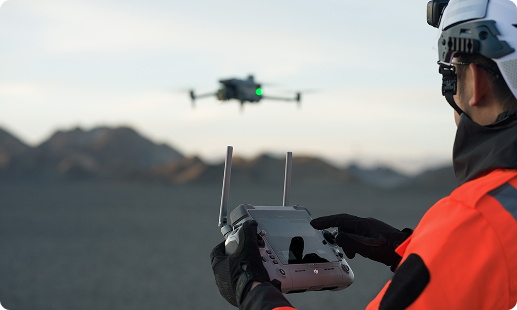
Zimbabwe’s oil, gas and marine operators face daily pressure from pipeline theft, corrosion, methane loss, and hard-to-access subsea assets; Gulfnet answers with a certified pipeline inspection drone in Zimbabwe programme covering pipelines, refineries, dam infrastructure and Kariba waterways under real local field operating conditions.

Long-endurance aerial inspection across oil pipeline corridors

Thermal imaging for gas leak detection and flare inspection

Underwater ROV surveys on hulls, jetties and dam walls

Automated docked flights for round-the-clock pipeline surveillance

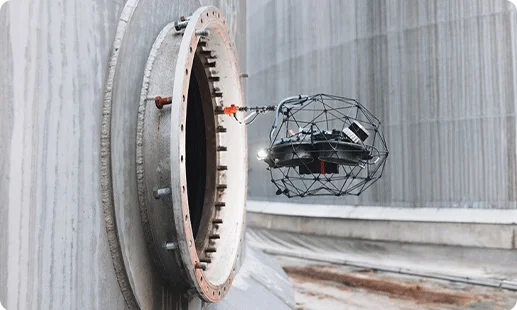
Confined-space flight inside tanks, columns and pressure vessels

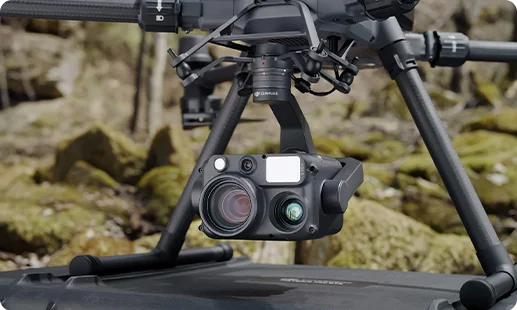
High-zoom standoff imaging for refinery and rig inspections

Subsea 4K imaging for marine and dam inspection work
CAAZ-approved deployment across Zimbabwe oil, gas and marine sites
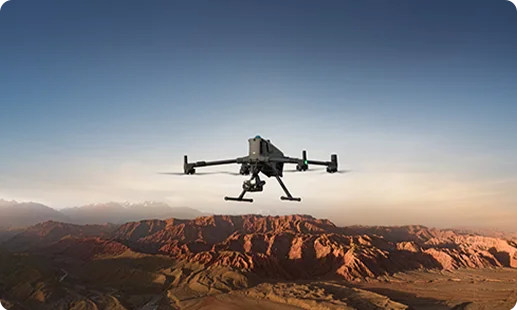
Handles flare stack inspection drone in Zimbabwe workflows with 59-minute endurance and 40-kilometre range across long pipeline corridors and refinery sites.
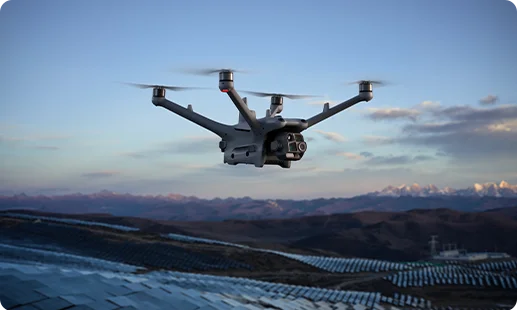
Combines wide, tele and thermal cameras into one compact drone for oil and gas industry in Zimbabwe field inspections and rapid asset checks.
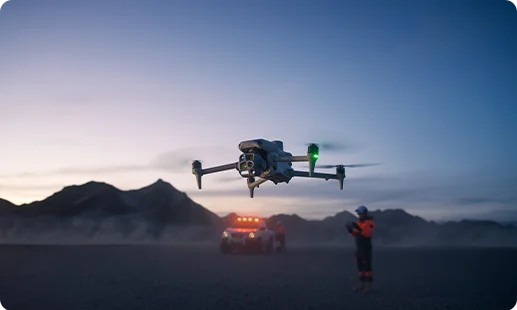
Enables 24/7 oil pipeline surveillance drone in Zimbabwe missions from a permanent dock, cutting repeat visits across remote NOIC depots and pipeline segments.
Delivers 360-minute tethered dives, IP68 sealing, and vision-lock stability for underwater inspection ROV in Zimbabwe tasks on hulls, pipelines, and dam walls.
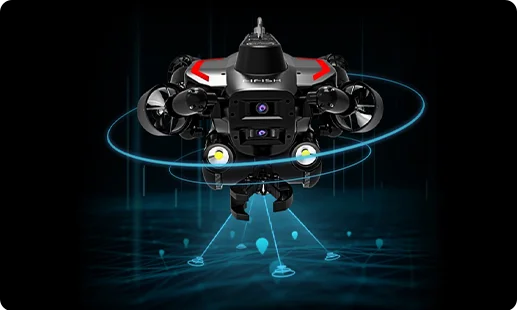
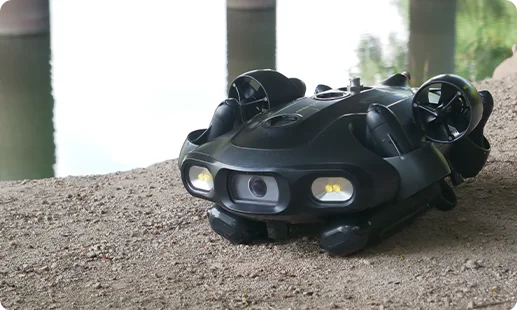
Compact QYSEA underwater drone in Zimbabwe unit for hull sweeps, tank interiors, and short-range subsea inspections at Kariba and Lake Chivero facilities.
Purpose-built for oil storage tank inspection drone in Zimbabwe missions with a cage, LiDAR, thermal, and optional ultrasonic thickness payloads.
Thermal, high-zoom, and laser range finder for flare stack inspection drone in Zimbabwe and refinery standoff surveys.
Onboard zoom and thermal combo powers automated oil pipeline surveillance drone in Zimbabwe missions from the DJI Dock 3 station.
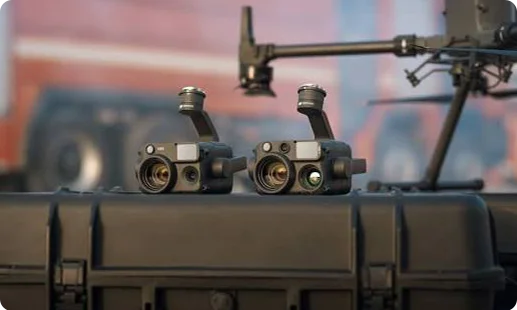
Multi-camera stack on the DJI Matrice 4 Series for refinery inspection drone in Zimbabwe rounds and daily depot checks.


High-clarity subsea imaging with vision lock and 6800 lumen lights for marine inspection drone in Zimbabwe hull and pier work.
Compact subsea imaging with portable smart control for QYSEA underwater drone in Zimbabwe quick deployments and short marine checks.
Confined-space payload on the Flyability Elios 3 for oil storage tank inspection drone in Zimbabwe missions and vessel work.
From the Feruka corridor to Kariba subsea assets, drones are compressing inspection timelines and lifting operational safety across the sector.

Aerial pipeline corridor survey drone in Zimbabwe teams cover the 289-kilometre Feruka route in hours, replacing multi-day vehicle patrols across rough Manicaland terrain.
Thermal drone for oil and gas in Zimbabwe missions spot hot bearings, insulation faults, and methane loss before shutdowns hit downstream fuel supply.
CAAZ RPAS approvals now cover BVLOS pipeline flights, letting operators run offshore inspection drone in Zimbabwe programmes across Kariba dam infrastructure and inland waterways safely.
Underwater ROVs remove diver risk during tank cleaning, dam wall checks, and Kariba jetty surveys, cutting insurance exposure for Zimbabwe operators.
Whether you run the Feruka pipeline, a Muzarabani exploration block, or a fuel depot near Harare, Gulfnet configures the right drone, ROV, and payload stack for your operation.
The best fit depends on the asset. For long pipeline corridors like the Feruka route, the DJI Matrice 400 RTK with a Zenmuse H30T payload provides long endurance and multi-sensor coverage. For daily field checks at NOIC depots or Muzarabani exploration sites, the DJI Matrice 4 Series is compact and quick to mobilise. For automated site rounds, the DJI Dock 3 with Matrice 4TD runs unattended. Confined tank and vessel work goes to the Flyability Elios 3. Gulfnet matches drone, payload, and CAAZ approval pack to each asset profile. Contact us for a scoped recommendation.
Gulfnet supplies pipeline inspection drone in Zimbabwe programmes directly to operators, including the DJI Matrice 400 RTK, DJI Matrice 4 Series, and DJI Dock 3 with Matrice 4TD. Purchase typically includes the airframe, mission-fit payload, CAAZ RPAS approval support, pilot training, and post-deployment technical backing. We work with pipeline operators, oil marketing companies, and E&P blocks across Harare, the Beira corridor route, and remote Manicaland facilities. Reach out through the consultation form on this page and our team will scope the right hardware, sensors, and rollout plan for your pipeline network.
Gulfnet delivers methane detection drone in Zimbabwe deployments across Harare and greater Mashonaland. The core aerial platforms are the DJI Matrice 400 RTK with the Zenmuse H30T payload and the DJI Matrice 4 Series with its integrated wide, tele, and thermal cameras. Thermal signatures help survey teams pinpoint pressure anomalies, hot bearings, and leak-driven temperature shifts along pipelines at Msasa, Mabvuku, and Feruka. Specialised gas-sensing payload configurations are scoped project-by-project to fit the target concentration range and reporting standard. We also support CAAZ pilot certification and HSE reporting workflows. Contact Gulfnet through the form on this page for a Harare-area deployment plan.
Gulfnet supplies flare stack inspection drone in Zimbabwe hardware to refinery, storage, and gas-processing sites. The standard configuration pairs the DJI Matrice 400 RTK with the Zenmuse H30T thermal and zoom payload, letting pilots inspect flare tips at safe standoff distances without shutting down operations. The DJI Matrice 4 Series is an alternative for lighter deployments. Beyond hardware, Gulfnet supports CAAZ approvals, pilot training tailored to hydrocarbon sites, and post-flight thermal reporting. Whether the asset sits in Harare, Kwekwe, or a remote depot, we help operators run flare inspections without scaffolding or downtime. Reach out to scope your requirement.
Leak detection relies on thermal signatures picked up during aerial flight. Gulfnet configures the DJI Matrice 400 RTK or DJI Matrice 4 Series with the Zenmuse H30T thermal payload to flag temperature anomalies along buried and above-ground lines that often indicate a pipeline leak. For automated repeat sweeps across the Feruka corridor or fuel depot networks, the DJI Dock 3 with Matrice 4TD runs scheduled thermal flights without a pilot on site. Where a dedicated gas leak detection drone in Zimbabwe sensor is required, we scope that payload separately during consultation to match the fluid, terrain, and reporting standard.
Pricing for an offshore inspection drone in Zimbabwe programme depends on the drone model, payload combination, training scope, and whether Gulfnet delivers hardware only or a full deployment package. Zimbabwe is landlocked, so most offshore-style work here covers Lake Kariba jetties, dam infrastructure, and inland waterway assets rather than sea-based rigs, which changes the specification. We size each quote against the specific asset, flight duration, sensor mix, and CAAZ approval scope. For an accurate Harare-based estimate, submit the consultation form on this page and our team will return a tailored written proposal.
Submit the consultation form on this page with your asset type, location, and the inspection outcome you need. Useful details include pipeline length, depot count, terminal footprint, whether the work is one-off or recurring, and any existing CAAZ approvals in place. From there, Gulfnet’s team scopes the drone, payload, training, and support package that fits, then returns a written quote for oil and gas drone in Zimbabwe deployment. If you prefer to talk it through first, use the contact form and we will schedule a call with a technical consultant.
Yes. Gulfnet arranges on-site or venue-based demonstrations of methane detection drone in Zimbabwe hardware for operators across Harare, Bulawayo, and other centres. A typical demo walks through drone mobilisation with the DJI Matrice 400 RTK or DJI Matrice 4 Series, a flight over a mock pipeline or depot fenceline, and thermal payload output that supports leak-workflow decisions. Where a specialised gas-sensing payload is required, we coordinate it project-by-project based on availability and target concentration range. We tailor the scenario to your asset type, whether that is an NOIC storage depot, an E&P block, or a distribution terminal.
Refinery inspection drone in Zimbabwe work typically combines aerial and confined-space platforms. For external stacks, tank tops, and cooling towers, Gulfnet deploys the DJI Matrice 400 RTK with the Zenmuse H30T payload for thermal and high-zoom imaging. The DJI Matrice 4 Series is an alternative for tighter workflows. For internal inspection of pressure vessels, columns, and oil storage tank inspection drone in Zimbabwe missions, the Flyability Elios 3 is used inside its collision-tolerant cage with a LiDAR, 4K, and thermal payload to capture confined-space imagery. Payload and platform choice is scoped against your asset register and inspection standard.
For thermal drone for oil and gas in Zimbabwe pipeline work, the DJI Matrice 400 RTK with the Zenmuse H30T is the primary choice. It offers a 59-minute endurance, 40-kilometre transmission range, and combines thermal, telephoto, and laser range-finder capability, which suits the Feruka corridor and long depot-to-depot routes. The DJI Matrice 4 Series is a lighter alternative with integrated thermal for shorter sections and daily patrols, including onshore rig inspection drone in Zimbabwe rounds. For unattended repeat inspections, the DJI Dock 3 with Matrice 4TD runs autonomous thermal sweeps from a permanent station.
LNG terminal drone in Zimbabwe work combines external asset imaging with thermal inspection. Gulfnet typically configures the DJI Matrice 400 RTK with the Zenmuse H30T payload for standoff thermal imaging of tanks, loading arms, and flare systems. The DJI Matrice 4 Series with its integrated wide, tele, and thermal cameras supports lighter external rounds. For internal tank and confined-space inspection, the Flyability Elios 3 is used inside its cage-protected airframe with a LiDAR, 4K, and thermal payload. Zimbabwe’s LNG activity remains emerging around Cabora Bassa exploration, so we scope every LNG terminal drone in Zimbabwe deployment against project stage and site design.
Gulfnet supplies QYSEA underwater drone in Zimbabwe hardware, including the FIFISH PRO W6 and FIFISH E-GO models, to marine, dam, and industrial clients. The PRO W6 offers a 360-minute tethered dive time, IP68 sealing, robotic arm, and vision lock, suited for Kariba dam wall checks, hull inspections, and subsea pipeline surveys. The E-GO is a lighter, portable ROV for rapid deployments and short-duration work. Purchase includes hardware, tether, controller, training, and technical support. Submit the consultation form on this page and our team will scope the right underwater inspection ROV in Zimbabwe configuration for your operation.
