


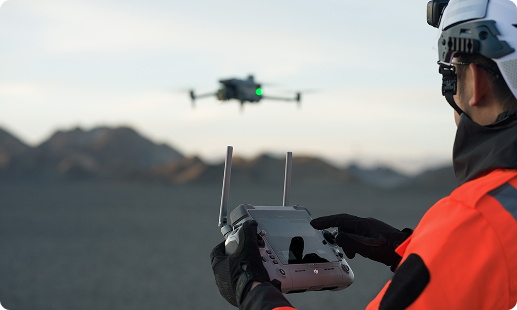
Vegetation strikes, remote routes, and ageing assets strain utility teams. Gulfnet pairs KCAA-ready powerline inspection drone in Kenya operations with sensor-grade intelligence, giving operators faster fault detection nationwide.

Thermal hotspot detection across live transmission conductors

LiDAR corridor mapping with centimetre-grade point clouds

Autonomous Power Line Follow mission execution

Safe stand-off inspection of energised assets

High-resolution zoom for insulator and bolt defects

Centimetre-accurate RTK positioning across repeat flights

Weather-resistant IP55 operation for Kenyan field conditions
Multi-sensor payload interchange within single mission windows
Built for enterprise inspection, DJI Matrice 400 RTK handles transmission line inspection drone in Kenya missions, substation audits, and telecom tower surveys at long endurance.
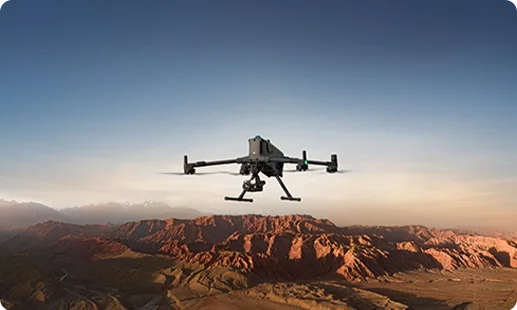
Thermal camera drone for utilities in Kenya applications; identifies conductor hotspots, failing joints, and overheating insulators from safe distances.
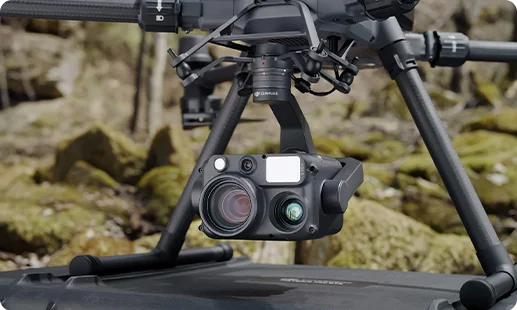
LiDAR module delivering dense point clouds for corridor clearance checks, vegetation encroachment mapping, and digital twin creation of distribution networks.
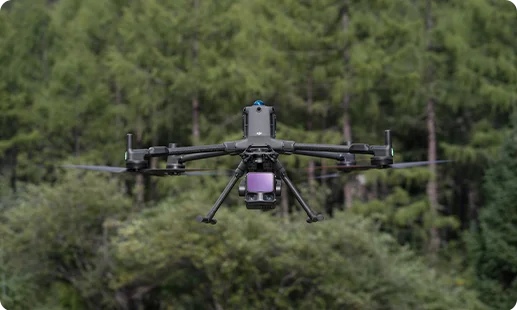
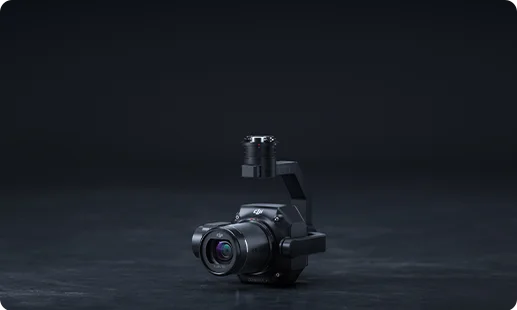
Full-frame photogrammetry camera generating survey-grade orthomosaics and 3D models for substation planning, tower audits, and asset condition reports.
Grid expansion and last-mile electrification demand faster inspection cycles. Here are four shifts drones are driving today.

Rift Valley corridors and northern transmission routes once needed days of climbing crews; a utility inspection drone in Kenya scans the same span in hours.
KPLC and KETRACO teams gain live thermal data on sagging conductors and failing joints without taking critical feeders offline.
Telecom operators swap mast climbs for a telecom tower inspection drone in Kenya workflow that captures antenna tilt, azimuth, and corrosion in one flight.
KCAA RPAS compliance plus sensor-grade reporting lets utilities submit audit-ready records for NEMA, World Bank, and investor review cycles.
Talk to our Nairobi team about pairing the DJI Matrice 400 RTK with Zenmuse H30T, L3, or P1 for a utility inspection drone in Kenya programme scoped to your network.
For Kenya’s transmission and distribution networks, Gulfnet deploys the DJI Matrice 400 RTK as the primary platform. Its 59-minute endurance covers long rural spans in a single sortie, while the IP55 rating holds up during Rift Valley downpours. Paired with the Zenmuse H30T, it delivers thermal and visual data in one pass, and with the Zenmuse L3 it can run autonomous Power Line Follow missions along live corridors. The best match depends on span length, voltage class, and your reporting workflow. Reach out to our team at Gulfnet to scope the configuration against your actual network conditions.
Gulfnet supplies and operates power grid monitoring drone in Kenya programmes from a Nairobi response base, serving utilities and private operators nationwide. We supply the DJI Matrice 400 RTK with Zenmuse H30T, L3, or P1 payloads selected to match the inspection output you need, whether that is thermal fault detection, LiDAR corridor mapping, or photogrammetric asset modelling. Beyond the hardware itself, our scope typically covers mission planning, KCAA permit guidance, pilot training, and data processing workflows. For a sales conversation, pricing enquiry, or deployment plan tailored to your grid footprint, contact our Nairobi team through the Gulfnet contact page. Buyers often start by asking about a drone for power lines in Kenya and expand scope from there.
Gulfnet is positioned as a specialist telecom tower inspection drone in Kenya partner for operators managing macro sites, rooftop installations, and distributed antenna estates. The DJI Matrice 400 RTK with the Zenmuse H30T captures antenna tilt, azimuth, radome condition, and corrosion in a single orbit, while the Zenmuse L3 adds obstacle-aware navigation around guy wires and nearby structures. We bring KCAA RPAS familiarity, enterprise mission planning, and a focus on repeatable survey outputs rather than one-off flights. If you manage a Kenyan tower portfolio and need a dependable supplier, please contact Gulfnet so we can tailor the deployment to your network.
Pricing for a powerline inspection drone in Kenya varies with network length, voltage class, payload mix, and whether you need the drone itself, a managed inspection service, or a training-plus-handover model. Because of that, we do not publish list prices on this page. The quickest route to an accurate transmission line inspection drone in Kenya quote is to share your inspection scope with our team: route length, span count, access conditions, and the data outputs you need. Submit those details through the Gulfnet contact form and a specialist will respond with a configured proposal, including payload choice and deployment timeline.
Yes. Gulfnet supplies the DJI Matrice 400 RTK as a substation inspection drone in Kenya, configured with the Zenmuse H30T for thermal fault detection on transformers, busbars, and switchgear. The platform’s RTK positioning allows repeat flight paths across inspection cycles, so year-on-year thermal baselines stay comparable. The Zenmuse P1 is added when the brief includes photogrammetric substation modelling for brownfield expansion or digital twin creation. For fenced-perimeter substations, we also factor in site security protocols, KCAA notifications, and operator safe-distance planning. To match the configuration to your substation class and footprint, reach the Gulfnet team through the website.
Yes. We offer scoped demonstrations of the DJI Matrice 400 RTK for powerline inspection drone in Kenya evaluations, typically arranged out of Nairobi for utility, engineering, and procurement teams. A demo is normally structured around a short mission that reflects your real inspection problem, whether that is thermal scanning of a feeder, LiDAR corridor mapping, or a substation walk-around. We cover payload interchange, flight planning, and data output review during the session. To book a slot, share your preferred date range and the inspection scenario you want validated with the Gulfnet team through the contact form on the site.
For enterprise utility fleets managing high voltage transmission, distribution networks, and substation portfolios, our top utility inspection drone in Kenya recommendation is the DJI Matrice 400 RTK. The combination of 59-minute endurance, 40 km control range, IP55 rating, and interchangeable Zenmuse payloads lets the same airframe cover thermal inspection, LiDAR corridor work, and photogrammetric survey without buying three separate drones. It also supports autonomous Power Line Follow missions, which matters when you are repeating inspection cycles across long rural feeders. For fleet-level standardisation, including spares, pilots, and reporting workflow, the Gulfnet team can scope a programme for you. This matches what buyers expect from a utility asset inspection drone in Kenya today.
Gulfnet uses the DJI Matrice 400 RTK as its telecom mast inspection drone in Kenya platform, matched with the Zenmuse H30T for close-range thermal and zoom imagery of antennas, feeders, and mast joints. The L3 LiDAR module adds safe navigation around guy wires, lightning rods, and nearby structures where GPS multipath can be unforgiving. Typical missions produce a tilt and azimuth report, corrosion imagery, and connector condition data in one flight, which is faster and safer than deploying a climbing crew. For large tower estates or shared infrastructure portfolios, our team can design a repeat inspection cycle for your network.
Yes, Gulfnet offers the DJI Matrice 400 RTK as a distribution line drone in Kenya, supplied either as outright purchase or bundled into a managed inspection service. For distribution network operators, we usually pair the airframe with the Zenmuse H30T for pole-top thermal checks and the Zenmuse L3 for vegetation encroachment and clearance mapping across medium voltage feeders. We can also configure the electric pole inspection drone in Kenya workflow for scheduled asset condition surveys. Pricing depends on payload mix, support, and training needs, so for a formal sales enquiry please reach out through the Gulfnet contact page. The same airframe doubles as an electric pole inspection drone in Kenya across medium voltage networks.
Gulfnet supplies the DJI Matrice 400 RTK as a power grid surveillance drone in Kenya for utilities needing both scheduled inspection and incident-response flights. For surveillance scenarios such as right-of-way encroachment, vandalism checks, or storm response, the airframe’s long endurance and 40 km control range matter. Thermal imagery from the Zenmuse H30T is useful for after-dark patrols where visible-light cameras fall short. For longer-term surveillance programmes integrated with substation checks and corridor mapping, we build a mission plan that aligns with KCAA rules and your internal security processes. Reach the Gulfnet team to scope a surveillance deployment. That dual-purpose role also makes it a practical drone for power lines in Kenya in both daily and emergency scenarios.
For a thermal camera drone for utilities in Kenya, specifically substation work, we deploy the DJI Matrice 400 RTK with the Zenmuse H30T. The H30T integrates a high-resolution thermal sensor with a zoom camera, letting pilots scan transformer tanks, bushings, OLTC assemblies, and switchgear from safe stand-off distances while still resolving small hotspots. The RTK positioning keeps repeat flights aligned, so hotspot temperature baselines across months remain comparable. For teams that also need LiDAR or photogrammetric outputs during the same visit, the airframe’s quick-swap payload bay supports Zenmuse L3 and P1 as well. Contact Gulfnet to configure the right combination.
The DJI M4T is a capable thermal and visual quadcopter and some operators use it for short-range inspection work. For enterprise powerline inspection drone in Kenya deployments across transmission corridors and long distribution feeders, Gulfnet standardises on the DJI Matrice 400 RTK instead. The reason is practical: longer endurance, higher payload swap flexibility across Zenmuse H30T, L3, and P1, Power Line Follow autonomy, and the IP55 rating needed for Kenyan weather windows. If your use case is tightly scoped and you specifically want DJI M4T for power utilities in Kenya coverage, our team can advise what the Matrice 400 RTK adds in return.
For high voltage powerline drone in Kenya work, including 132 kV and 220 kV transmission corridors managed by KETRACO near Nairobi, Gulfnet recommends the DJI Matrice 400 RTK. Its 40 km control range handles the long sightlines typical of high voltage feeders, and the stand-off capability of the Zenmuse H30T keeps the airframe at a safe distance from live conductors while still resolving thermal and visual defects. The Zenmuse L3 enables autonomous Power Line Follow for repeatable corridor sweeps. For a mission plan aligned with KETRACO or KPLC safety clearances, reach the Gulfnet team to scope the deployment.
Gulfnet operates as a specialist power utility drone supplier and deployment partner in Kenya rather than a general-purpose reseller. That means our scope covers hardware supply, payload matching, mission planning, pilot training, and inspection data workflows for utility and telecom asset owners. Our current catalogue for Kenya’s grid, substations, and tower estates centres on the DJI Matrice 400 RTK paired with Zenmuse H30T, L3, and P1 payloads. We work with KCAA RPAS compliance and provide a utility asset inspection drone in Kenya programme designed for repeat inspection cycles. To open a dealer-level conversation, reach the Gulfnet team through the website.
