


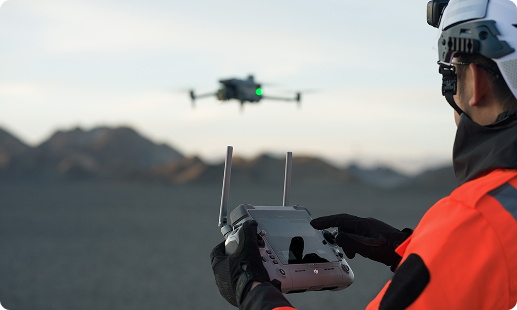
Load pressure, ageing lines, and vast rural corridors strain ZESA and telecom teams. Gulfnet brings purpose-built utility inspection drone in Zimbabwe systems with CAAZ-compliant deployment and sector-grade payload expertise.

High-zoom thermal detection of transmission corridor hotspots.

Automated LiDAR-based Power Line Follow mission planning.

Centimetre-grade RTK positioning across pylon routes.

IP55 weather resistance for highveld and lowveld.

Up to fifty-nine minute flight endurance per sortie.

Forty kilometre transmission range for remote substation reach.

Live obstacle sensing around towers and conductors.
Engineering-grade photogrammetry for grid digital twins.
The DJI Matrice 400 RTK anchors our transmission line inspection drone in Zimbabwe deployments, carrying thermal, LiDAR, or photogrammetry payloads across long high-voltage corridors.
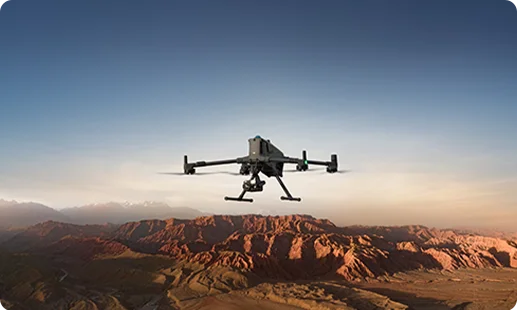
Combines high-zoom visual and thermal imaging for hotspot detection on insulators, conductors, substation gear, and overheated connectors.
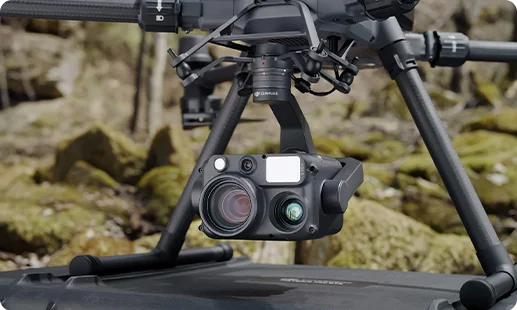
Delivers LiDAR point clouds for corridor mapping, vegetation encroachment analysis, and precision navigation inside dense substation inspection environments.
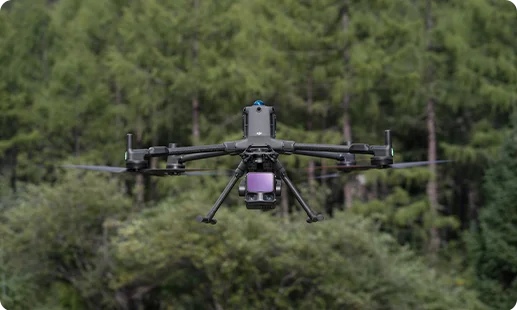
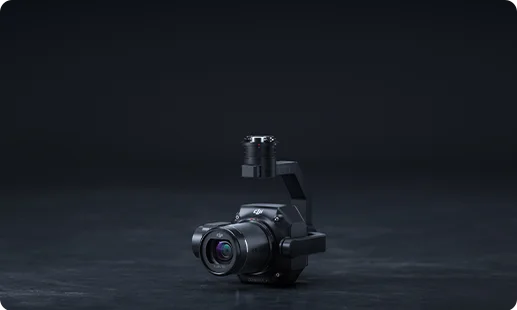
Full-frame photogrammetry sensor producing survey-grade orthomosaics and 3D digital twin models for engineering-level grid asset documentation.
ZESA, telecom operators, and private generators now face a shift in how grid assets are inspected across Zimbabwe.

Line patrols that once required bucket trucks or climbers are completed in a single flight, cutting outage windows and keeping Zimbabwe linemen safer.
Thermal and LiDAR data now feed asset health dashboards, so Harare and Bulawayo utility planners decide on repairs with real evidence, not guesswork.
CAAZ RPAS approval pathways and growing enterprise adoption have opened the door for Zimbabwe utilities to run routine drone inspection programs legally.
Remote lines across Hwange, Kariba, and Matabeleland corridors are now reachable without road access, slashing travel time and vehicle costs significantly.
Partner with Gulfnet, a power utility drone dealer in Zimbabwe, to deploy the DJI Matrice 400 RTK with H30T, L3, or P1 payloads across your transmission, distribution, and telecom assets.
The DJI Matrice 400 RTK is our recommended powerline inspection drone in Zimbabwe. It carries a fifty-nine minute flight endurance, a forty kilometre operating range, and an IP55 weather rating, which suits the long high-voltage corridors between Harare, Kariba, and Hwange. Paired with the Zenmuse H30T thermal payload or the Zenmuse L3 LiDAR module, it supports both routine thermography and corridor mapping. Gulfnet selects the configuration based on your line voltage, span length, and asset age. For a mission scoped around your network, contact our team at Gulfnet.
Gulfnet supplies and deploys enterprise power grid monitoring drone in Zimbabwe fleets through direct consultation. Rather than selling off-the-shelf hardware, we assess your network scale, inspection frequency, and operator readiness before specifying the DJI Matrice 400 RTK with the appropriate Zenmuse payload. This matters in Harare because the city’s distribution network, substation density, and residential load profile each shape what the drone must detect. Reach out through our website or sales team and we will walk you through platform options, operator training, and CAAZ coordination. Full procurement details are shared during the consultation.
Gulfnet is a specialist supplier of telecom tower inspection drone in Zimbabwe systems for operators including Econet, NetOne, TelOne, and shared tower vendors. We deploy the DJI Matrice 400 RTK with the Zenmuse H30T thermal and zoom payload, which gives inspectors clear visibility of antenna alignment, connector heat, feeder cable condition, and structural weld points without climbing the mast. The same aircraft supports LiDAR-based structural capture when a 3D digital twin of the tower is required. Each telecom tower inspection drone in Zimbabwe engagement covers platform supply, flight planning, pilot deployment, and reporting.
The DJI Matrice 400 RTK is the right high voltage powerline drone in Zimbabwe for Harare transmission work. Safe stand-off inspection is critical when you are flying near 132kV or 330kV conductors, and the Matrice 400 RTK combines a long optical zoom range through the Zenmuse H30T with LiDAR obstacle sensing through the Zenmuse L3. Its forty kilometre control range lets a single ground team cover long sections of the Harare North and Dema corridors in one deployment. As a high voltage powerline drone in Zimbabwe operator, Gulfnet provides mission planning, CAAZ coordination, and crew training alongside the hardware supply.
Yes. Gulfnet operates as a specialist utility asset inspection drone in Zimbabwe partner and power utility drone dealer in Zimbabwe, authorised to supply DJI Enterprise platforms and compatible Zenmuse payloads to grid operators, telecom companies, and independent power producers. We are not a general electronics retailer. Every engagement starts with a technical scoping call so we can map your transmission network, substation count, and inspection cycle before quoting. Our utility asset inspection drone in Zimbabwe service covers after-sales support, firmware management, payload calibration, and training for your in-house pilots. For dealership enquiries, procurement timelines, or warranty support, please contact Gulfnet directly.
Pricing for a transmission line inspection drone in Zimbabwe is not a fixed shelf cost. It varies with aircraft configuration, payload mix, number of batteries, charging kit, training, and the service package you need alongside the hardware. A DJI Matrice 400 RTK deployment carrying both a Zenmuse H30T and a Zenmuse L3, for example, sits at a different investment level than a single-payload setup. Spare parts, operator training, and maintenance contracts also sit outside the base drone cost. For an accurate budget tailored to your utility in Harare, please share your requirement with Gulfnet and we will send a scoped quote.
Requesting a quote is simple. Reach Gulfnet through the Request Your Consultation form on this page or through our direct Zimbabwe contact channels. Share the basics: utility name, type of lines inspected (transmission, distribution, or telecom), geographic coverage, inspection frequency, and whether you need a drone purchase, a managed inspection service, or both. Our team then recommends the right DJI Matrice 400 RTK configuration and Zenmuse payload bundle, confirms CAAZ coordination requirements, and sends a written proposal. Where helpful we can also schedule a pre-quote site walkthrough so the proposal reflects actual field conditions rather than assumptions.
Yes, Gulfnet can arrange a demonstration of our powerline inspection drone in Zimbabwe setup for qualified utilities and telecom operators in Harare. A typical demo covers one short transmission or distribution span, so your technical team sees the DJI Matrice 400 RTK in flight, reviews live thermal imagery from the Zenmuse H30T, and walks through the output data on the ground station. Demos are planned around your site access, airspace clearances, and CAAZ requirements, so lead time varies. To arrange one, please contact Gulfnet and share your preferred location and the inspection problem you want the demo to solve.
Yes. Our substation inspection drone in Zimbabwe setup pairs the DJI Matrice 400 RTK with the Zenmuse H30T for thermal hotspot detection on transformers, busbars, breakers, and isolators. For complex substation yards where obstacles sit close to each other, we add the Zenmuse L3 for LiDAR-based obstacle sensing and precision positioning. The platform supports controlled flights at close standoff distances, which is essential inside a live substation. Our substation inspection drone in Zimbabwe service also provides trained pilots for the actual mission if your in-house team is still building drone capability. Contact Gulfnet for deployment planning.
Yes. Gulfnet provides power grid surveillance drone in Zimbabwe deployments for scheduled aerial patrols along transmission corridors, substation perimeters, and critical infrastructure routes. The DJI Matrice 400 RTK, paired with the Zenmuse H30T thermal and zoom payload, supports day and low-light surveillance for both asset security and operational monitoring. For wider corridor coverage, the Zenmuse L3 LiDAR module adds terrain and obstacle awareness during repeat missions. Each power grid surveillance drone in Zimbabwe program runs as one-off aerial sweeps or recurring patrols, depending on your risk profile, with pilot rosters, data pipelines, and CAAZ coordination planned up front.
The DJI Matrice 400 RTK carrying the Zenmuse H30T is our recommended thermal camera drone for utilities in Zimbabwe when substation hotspot detection is the goal. The H30T combines a high-resolution thermal sensor with long optical zoom, which lets inspectors locate overheated clamps, loose connectors, poor contacts, and failing bushings without entering live yards. Its radiometric outputs can be exported into standard thermography reporting workflows your maintenance team already uses. For complex 132kV and 330kV substations, we complement each thermal camera drone for utilities in Zimbabwe mission with the Zenmuse L3 for safe navigation around tightly packed structures. Reach out to Gulfnet.
The DJI M4T (part of the Matrice 4 Series) is a capable compact platform, but for serious transmission and distribution inspection in Zimbabwe we recommend the DJI Matrice 400 RTK as the primary platform. The Matrice 400 RTK offers longer flight time, longer control range, and compatibility with heavier payloads such as the Zenmuse H30T, L3, and P1, which deliver the depth of data utility teams need. The M4T can still play a role for lighter, rapid-deployment missions. If you are weighing DJI M4T for power utilities in Zimbabwe against the Matrice 400 RTK, Gulfnet can run a side-by-side use-case comparison. For a tailored DJI M4T for power utilities in Zimbabwe assessment, contact our team.
Yes. Our telecom mast inspection drone in Zimbabwe service deploys the DJI Matrice 400 RTK with the Zenmuse H30T to carry out visual, thermal, and structural inspection of microwave and cellular masts across the country. Operators save on climber call-outs and gain clearer data on antenna alignment, feeder leakage, and connector heat than ground inspection allows. For urban masts in Harare and Bulawayo, the aircraft’s zoom capability avoids the need to fly dangerously close to live radiating elements. Each telecom mast inspection drone in Zimbabwe deployment is planned around CAAZ coordination, site owner approval, and your reporting format.
The DJI Matrice 400 RTK is our go-to drone for power lines in Zimbabwe across both transmission and distribution networks. It carries the Zenmuse H30T for thermal inspection of conductors, splices, and insulators, and the Zenmuse L3 for LiDAR-based corridor mapping and vegetation encroachment monitoring. The aircraft’s IP55 rating allows operations in the dry dust of Matabeleland and the humidity of the Eastern Highlands. Any drone for power lines in Zimbabwe, whether used as a transmission platform or power distribution drone in Zimbabwe asset, is matched to your voltage class before deployment. Contact Gulfnet to discuss your network.
