If you run a pipeline integrity programme anywhere in the GCC, the July announcement out of Kuwait City is not distant financial news. It is a preview of the assurance standard your board, your regulator, and a new class of institutional investors will expect for every kilometre of your right-of-way. That preview arrived when Kuwait Oil Company signed a 20.5-year lease-and-leaseback with a consortium of leading global infrastructure and institutional investors.
The deal covers all 13 of KOC’s crude pipelines. Alongside the capital comes a very specific expectation about how pipeline condition is measured, evidenced, and reported. It is an expectation that traditional patrol-and-paperwork inspection cycles are not built to satisfy.
The transaction, known as Project Peregrine, is the first time global institutional investors have taken long-term positions in Kuwait midstream. It extends a pattern already set by ADNOC in the UAE, Aramco in Saudi Arabia, and Bapco in Bahrain.
According to the Blackstone announcement of the partnership, the joint venture will collect a volume-based tariff for more than two decades. That means every barrel that fails to move because of an integrity incident becomes a shared financial event on the investor ledger.
This structure is now the working template for Gulf midstream capital, and it changes the audience for every inspection deliverable.
When capital is priced against throughput uptime, inspection stops being an operations function and becomes a covenant. Its evidence must hold up to quarterly technical reviews and, eventually, a refinancing.
Institutional owners bring institutional inspection standards. Those standards move a pipeline integrity programme along four axes at once.
From sample-based to corridor-complete coverage. A traditional right-of-way patrol samples a fraction of the pipeline on any cycle. Institutional co-owners expect every kilometre captured on a defensible cadence. That includes vegetation encroachment, ground movement, exposed sections, and third-party activity, all logged against a persistent asset identifier.
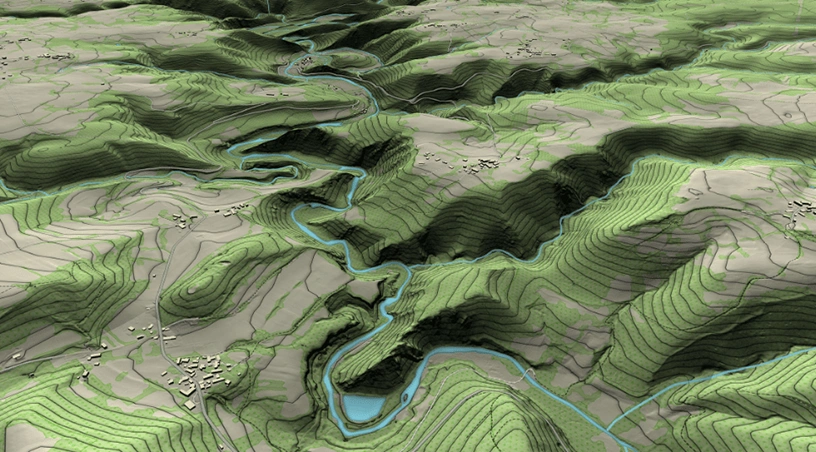
From text reports to georeferenced visual evidence. A written note describing “corrosion observed at KP 42.3” is no longer the artifact a technical auditor will accept. Investors and their advisors want geo-tagged imagery, thermal overlays, and time-stamped flight logs. Those let a reviewer see the exact defect from the same angle every quarter and confirm the trend line.
From siloed inspections to traceable data chains. Findings buried in a contractor PDF on an inspector’s laptop cannot be reconciled against a maintenance work order six months later. Institutional programmes assume a single audit trail from raw sensor capture to CMMS ticket to closeout photograph, with no manual re-keying in between.
From reactive findings to continuous condition monitoring. A tariff meter treats every unplanned outage as lost shared revenue. Integrity teams can no longer rely on scheduled patrol cycles that catch a problem only after it has stopped flow. Continuous monitoring flags deterioration weeks in advance, keeping intervention windows inside routine maintenance rather than emergency response.
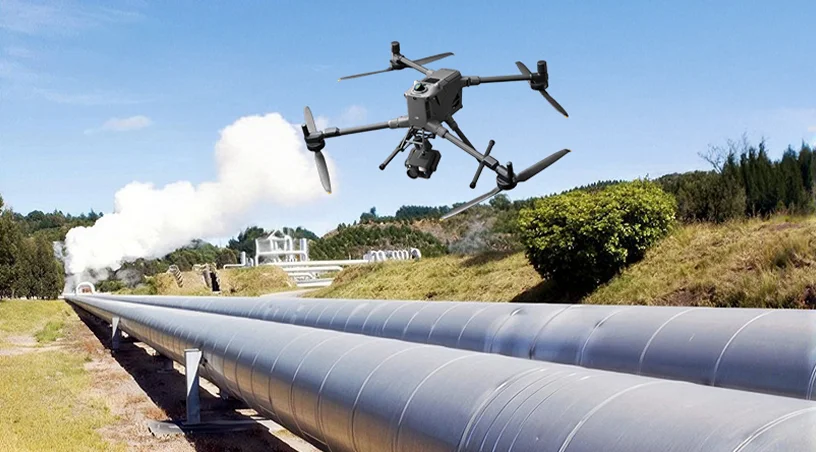
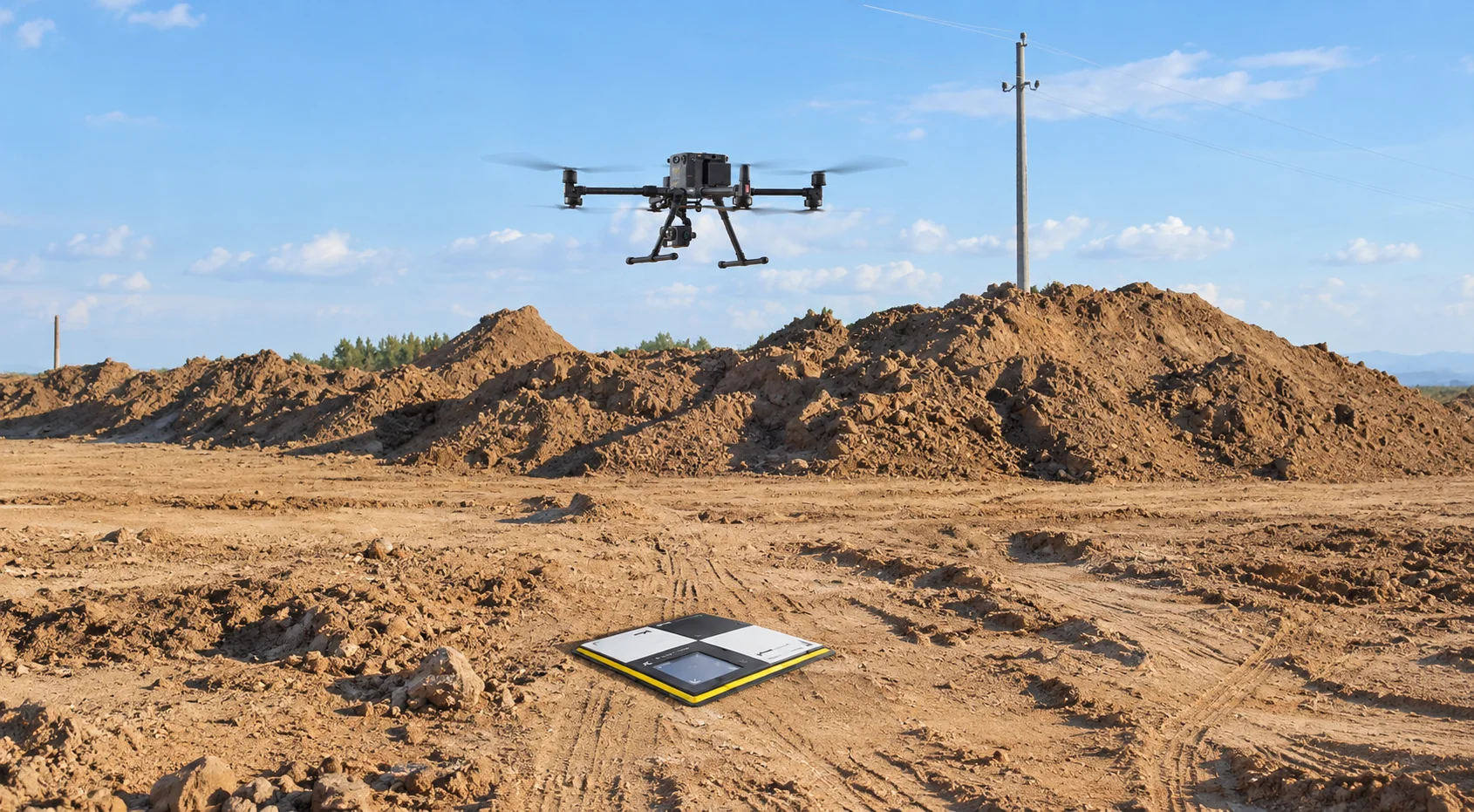
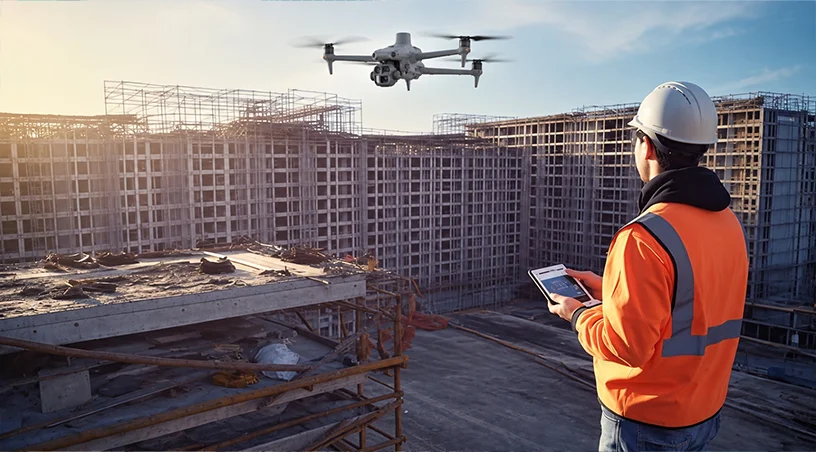
Autonomous drone inspection is built to meet all four shifts inside a single operational programme. Long-corridor flights flown on repeatable paths cover the full right-of-way rather than sampled kilometres. Onboard RGB, thermal, and gas-sensing payloads capture the georeferenced visual evidence an institutional auditor expects. That includes surface temperature anomalies pointing to insulation failure, small leaks below the detection floor of manual patrol, and encroachment activity that written logs routinely miss.
Gulfnet operates this class of programme through its aerial inspection service for oil, gas, and pipeline assets. Deliverables are aligned to API 570 and API 1163, and outputs feed directly into client CMMS platforms without manual re-entry.
Also read our earlier pipeline methane detection guide alongside this piece. It sets out the four leak blind spots that scheduled patrols leave open, and why sensor selection determines whether they close.
Behind the flights sits the analytics layer that turns a set of inspections into an auditable programme. A cloud platform centralises every image, thermal frame, and defect classification against the same asset identifier. That lets trend analysis, quarterly delta comparisons, and severity-ranked defect queues live in one place rather than fragmented across contractor drives.
Those are the artifacts infrastructure investors and their technical advisors have learned to request during due diligence, and a hand-compiled inspection report cannot reproduce them after the fact. At critical pump stations, valve manifolds, and terminal ingress points, flight-based inspection is often not frequent enough to catch fast-evolving anomalies. Related reading on drone-in-a-box automated inspection covers how continuous docked operations close that reactive-to-continuous gap.
Whether or not a pipeline network sits inside an institutional structure today, the direction of travel across Gulf midstream is clear. Operators who wait for the first joint venture due diligence to arrive will spend months reconstructing evidence that never existed in the right format.
Operators who move now will already have corridor-complete coverage, georeferenced evidence, an auditable data chain, and a continuous monitoring baseline in place before any advisor asks for them. That is what turns a legacy patrol programme into an integrity function that survives institutional scrutiny.
Gulfnet Emirates works with pipeline operators across the UAE and wider GCC to design corridor inspection programmes, thermal and electrical inspection cycles, and Gulfnet Insight® data workflows. Each is sized to the length of the corridor and the criticality of the throughput it carries.
How does the KOC pipeline deal affect inspection expectations for other Gulf operators?
Institutional co-investors typically require corridor-complete inspection coverage, georeferenced visual evidence, auditable data chains, and continuous monitoring where tariff structures reward uptime. Operators across the UAE, Saudi Arabia, and wider GCC are preparing for similar partnership structures. They should expect the same standard to become the working baseline, whether their assets sit inside a joint venture today or not.
Can drones inspect live pressurised pipelines without shutting down operations?
Yes. Autonomous aerial inspection of long-distance pipeline corridors is designed for live assets under pressure. It does not require shutdown, product diversion, or production halt. Flight paths are planned around operational activity, and gas-sensing, thermal, and RGB payloads collect condition data across the full right-of-way without any interruption to throughput or export scheduling.
What kind of defects can drone inspection detect along a pipeline right-of-way?
Aerial inspection captures external corrosion, coating breakdown, exposed pipe sections, ground movement, vegetation encroachment, unauthorised third-party activity, and thermal anomalies suggesting insulation failure or minor leaks. When paired with methane or hydrocarbon sensors, drones also flag gas escapes below the detection floor of manual foot patrols, giving integrity teams earlier warning of loss-of-containment risk.
How is drone-collected inspection data made auditable for institutional stakeholders?
Every image, thermal frame, and defect finding is geo-tagged, time-stamped, and stored against a persistent asset identifier in a cloud analytics platform. Reviewers can compare successive inspections, trace a defect from initial detection through to work order closeout, and export audit-ready reports. Those reports align with API 570, API 1163, and client-specific documentation requirements without any manual reconciliation.
What is a realistic first step toward an institutional-grade pipeline integrity programme?
Start with a baseline corridor survey of a priority segment, ideally one carrying export or high-throughput volumes. That first pass establishes the georeferenced condition record, defines the defect classification framework, and creates the data structure that every future inspection cycle, methane sensing pass, and automated monitoring deployment will build against.
 Go back
