
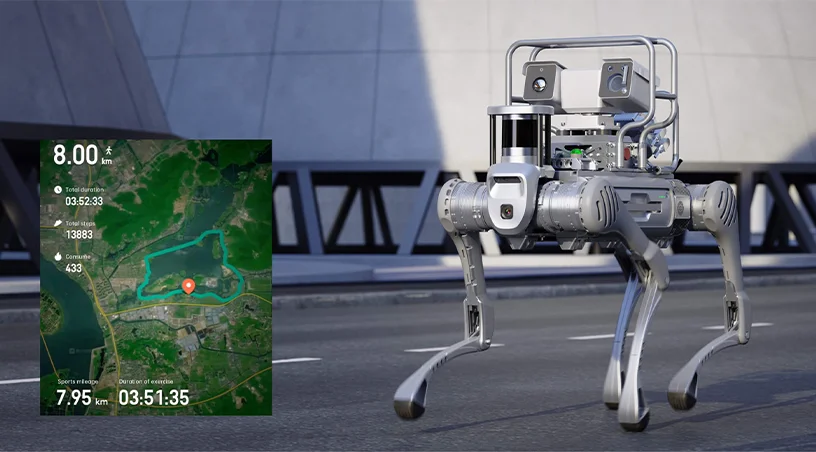
If you run a UAE process facility, you already know the pattern. A gauge gets missed on the 3 a.m. round, a hot bearing goes unread for two shifts, and a small leak becomes a shutdown by Friday. The walkdown is not failing because the crew is careless. It is failing because heat, fatigue, and shift gaps make consistent human coverage almost impossible.
Quadruped robots have quietly changed that equation over the past two years. This piece looks at where they slot into an existing routine, what they fix first, and how UAE integrity leads are getting real value from them without ripping up the way their teams already work.
Manual rounds drift. That is the honest starting point.
A field operator at 3 a.m. reads a gauge differently than one at 3 p.m., and when the shift is short on people, row seven in the pipe rack quietly goes unchecked. Repeat that across a month and the trend line your reliability engineer needs simply does not exist.
Unplanned downtime in process industries typically costs far more per hour than the inspection labour that would have prevented it, yet inspection quality is often where budgets get squeezed first.
A quadruped removes three sources of drift at once:
What you get back is a repeatable inspection signature, not a shift log that varies with the person holding the pen.
This is where the robotics case gets interesting for the Gulf.
At 48 degrees ambient, with humidity spiking after a dust event, sending a technician into a confined culvert or an ATEX zone one enclosure is a permit heavy exercise. Most sites respond by cutting round frequency or shortening the route. Neither is a real fix. Both leave a data gap that always seems to align with the next unplanned trip.
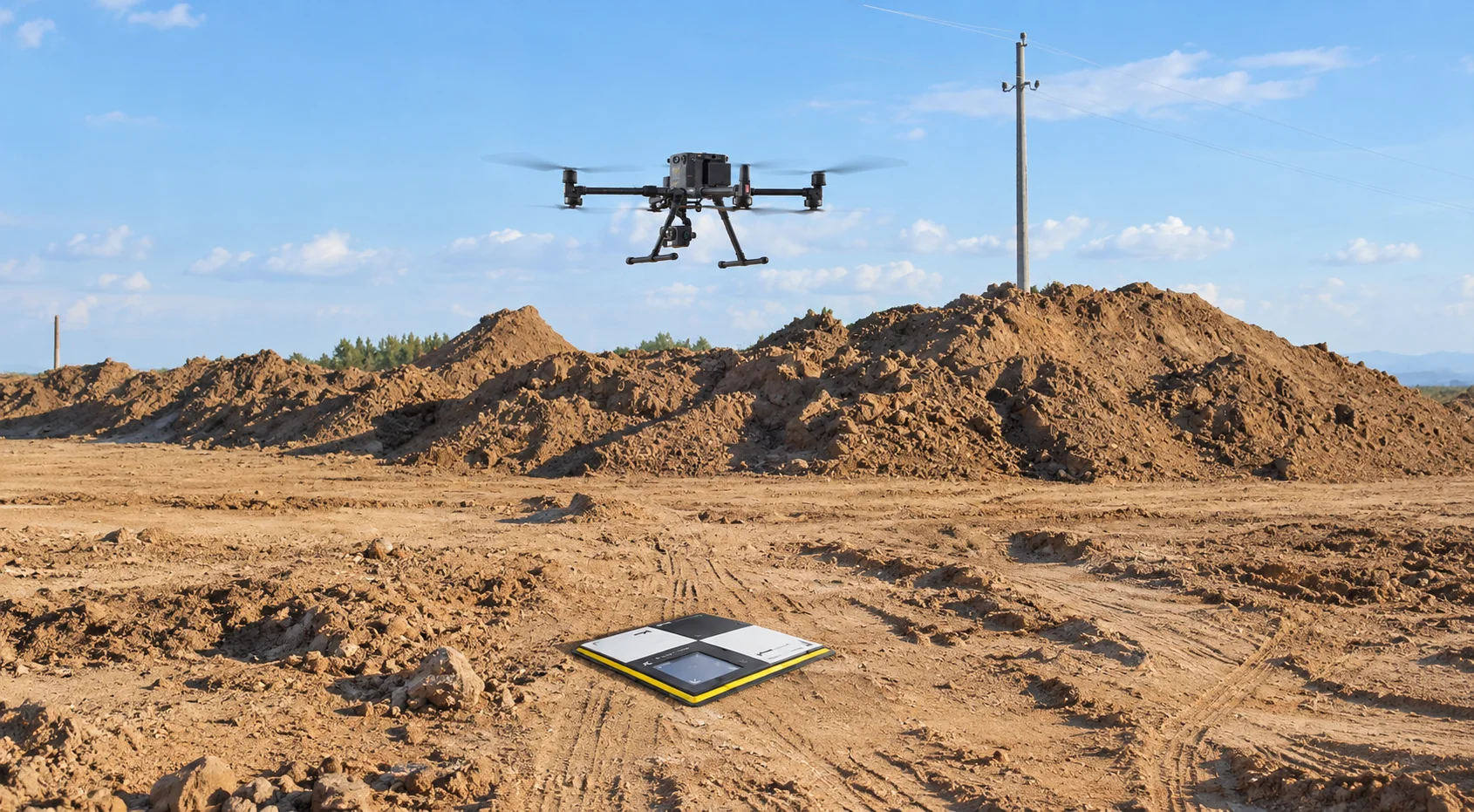
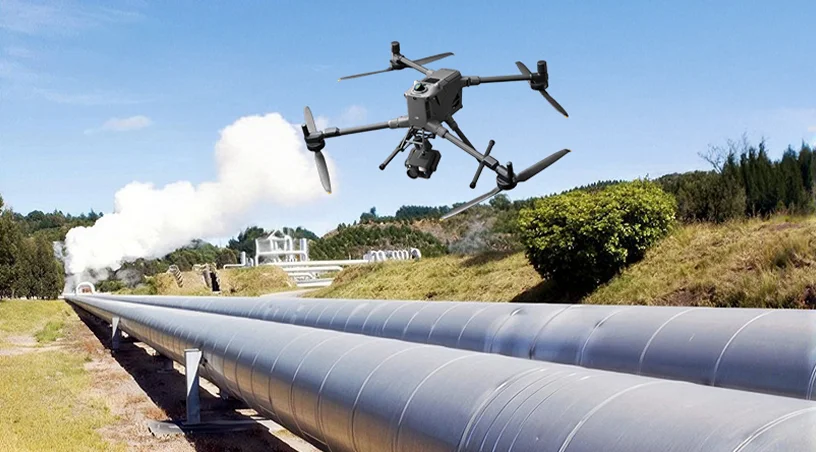
Ground robots do not tire. They do not need breathing apparatus for a routine walk, and they do not care whether it is 46 degrees or 26. An IP rated chassis handles dust and washdown, explosion proof variants enter classified zones without hot work permits, and thermal, acoustic, and gas payloads log conditions humans cannot safely sit next to for long.For sites already running aerial thermal inspection at height, adding ground level patrols closes the vertical gap between the drone overhead and the control room screen.
Also read: Reducing Inspection Costs Using Drones: A Complete Guide for UAE Enterprises
This part usually surprises operations managers. The audit trail is the quiet win, not the labour saving.
Every quadruped patrol produces timestamped sensor readings tied to precise coordinates, radiometric thermal imagery instead of pretty heat pictures, 3D scan data that can be compared against the last round, and gas concentration logs mapped to physical location.
That feed lands directly into asset integrity and predictive maintenance platforms, which means the reliability team finally has a change detection layer that manual logs never really delivered. The same stream doubles up for HSE audits, insurance renewals, and DCS anomaly reviews without asking anyone to collect the data twice.
This data linkage is becoming a growing differentiator for operators competing for new facility work across the UAE’s downstream and power transmission sectors.
The blunt answer is that robots do not replace walkdowns. They restructure them, and the split usually looks like this:
That split lets integrity leads redeploy senior technicians onto analysis and repair planning, which is where their experience actually pays.
Related: AI Drone Inspection: Lessons from ADNOC’s 120-Rig Rollout
Sites already running GCAA certified aerial programmes tend to adopt ground robotics fastest, because the operating model, permits, data pipeline, and pilot governance are already in place. Combining both layers under one inspection data platform is where the return curve really steepens, and it is the thinking behind our enterprise drones, robotics, and AI powered inspection services.
Four failure modes, one common thread. Inconsistent readings, unreachable environments, thin audit trails, and stretched shift coverage are the issues every UAE facility manager recognises but rarely quantifies until an incident forces the conversation.
Quadruped inspection does not solve any of them by working harder than a human crew. It solves them by producing the same data every single cycle, in places people cannot safely dwell, and pushing that data into the systems the reliability team already trusts. Identify the gap, assign the patrol, integrate the feed, and let the team focus on decisions.
Gulfnet Emirates works with UAE operators across oil and gas, power, marine, and infrastructure to design and run enterprise inspection programmes that combine aerial, ground, and satellite based coverage, backed by the Gulfnet Insight data platform and a GCAA certified pilot team. If you are exploring where robotics fits into your current walkdown routine, contact Gulfnet to scope a pilot programme for your site.
How much does a quadruped robot inspection deployment cost in the UAE?
Cost depends on facility size, sensor payload, and classified zone requirements. A pilot usually covers one process unit or substation and includes route mapping, data integration, and operator training. Gulfnet scopes each engagement against measurable downtime and coverage targets before quoting, so the investment is tied directly to inspection outcomes on your site.
Which UAE industries benefit most from robotic inspection programmes?
Oil and gas downstream, power transmission, water utilities, petrochemicals, and large infrastructure sites benefit fastest. Any facility running 24 hour operations with recurring integrity rounds, confined spaces, or classified zones sees the strongest return. Gulfnet supports inspection programmes across ADNOC linked assets, DEWA substations, and marine terminals right across the Emirates.
Can ground robots operate in ATEX classified hazardous areas?
Yes, explosion proof variants are certified for ATEX zone one and zone two duty. These platforms carry gas detection, thermal, and acoustic payloads without requiring hot work permits or breathing apparatus. Gulfnet integrates certified units matched to the specific zone classification and operational envelope of your facility, alongside the aerial inspection layer already in service.
How does robotic inspection data integrate with existing asset integrity software?
The robot logs timestamped sensor readings, radiometric thermal imagery, and location data that flow into asset integrity and predictive maintenance platforms through standard APIs. Gulfnet configures the integration so inspection data reaches the reliability team, HSE auditors, and DCS engineers without duplicated collection or manual reformatting between systems on either side.
What is the difference between quadruped robots and aerial drones for facility inspection?
Aerial drones cover height, area, and rooftop assets efficiently. Ground robots cover pipe racks, confined spaces, and indoor routes drones cannot safely enter. Most UAE enterprise sites benefit from running both in parallel through a single inspection data platform, which is how Gulfnet designs combined aerial and ground programmes for its enterprise clients.

 Go back
