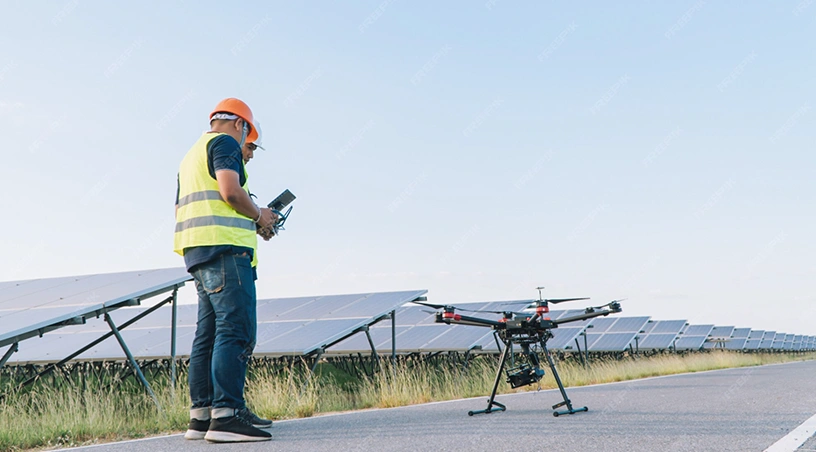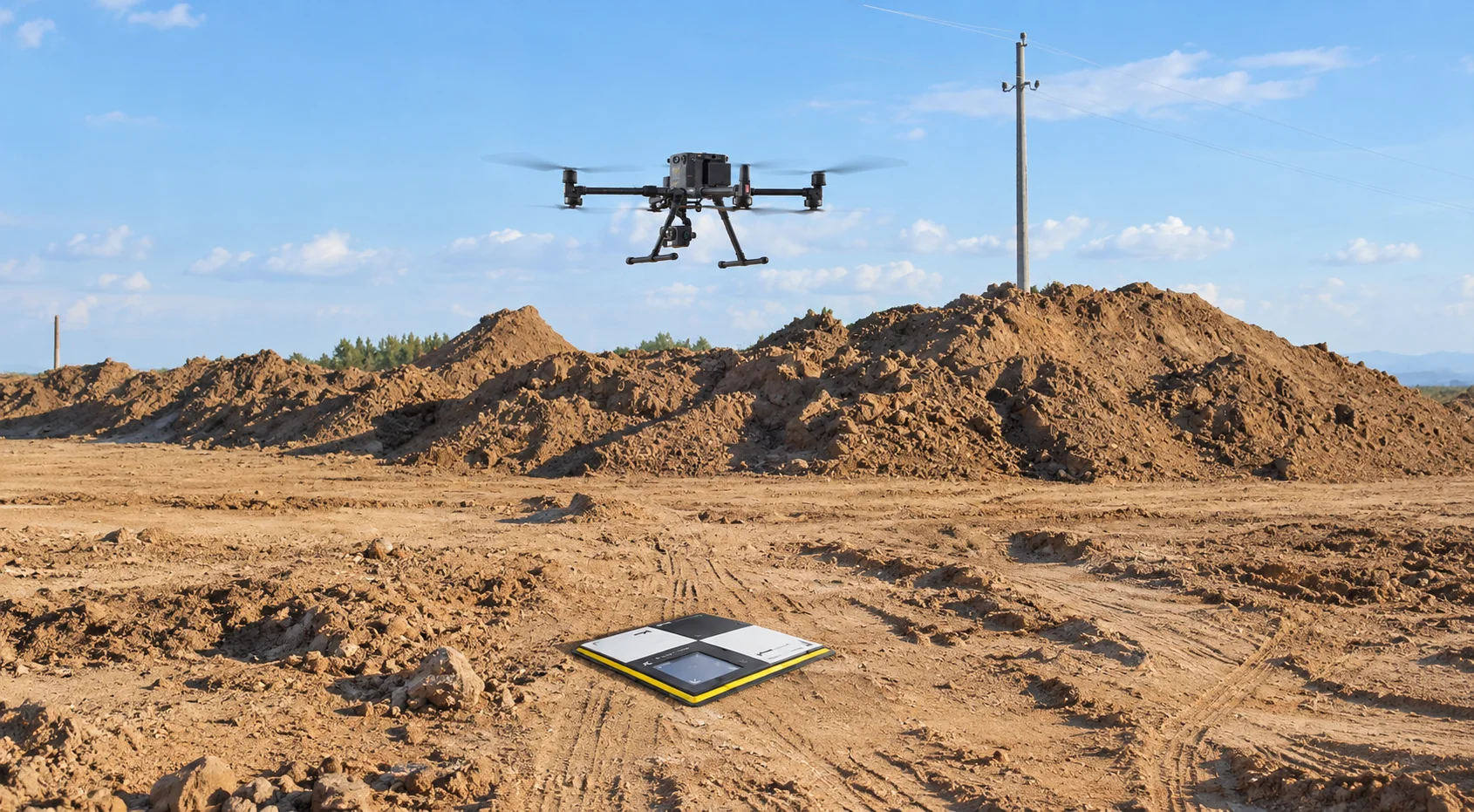
A robotics vendor said something to us recently that stayed with me. His platforms, he explained, learned more in six months of GCC deployment than in three years of European trials. That is not marketing talk. It is a fair description of what this region has quietly turned into for industrial automation, and most of the world has not yet caught up to what that shift means.
The environment here does things to hardware that no laboratory can replicate. Summer heat climbs past fifty degrees. Dust finds its way into every joint and sensor housing. Salt sits on every coastal installation and quietly eats through casings. Offshore platforms work under ninety percent humidity for weeks at a stretch.
Put a robot built for a European logistics warehouse into these conditions, and it rarely survives a full season. The ones that do survive here tend to work everywhere else as well. That is why global manufacturers now treat our deployments as the real proving ground for every new generation of hardware.
Everything in the region is being built at the same time. Airports, rail corridors, refineries, substations, solar fields, desalination plants, and port expansions are moving through overlapping delivery windows, each with hard political deadlines attached.
Owners here cannot afford to wait for a quiet week to run inspections. They cannot pause operations to free up access either. What they need instead is parallel monitoring across dozens of assets, delivered without pulling people into hot work permits or confined space entries. In this market, robotics stops being a convenience. It becomes the only way the arithmetic of construction and operations actually balances.
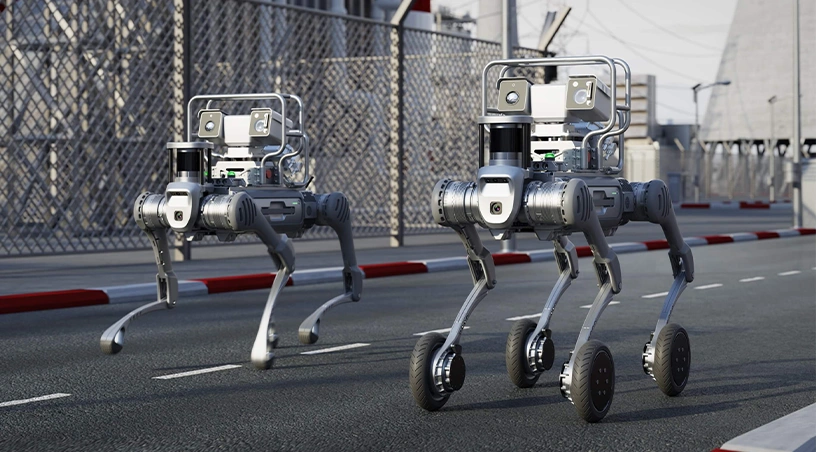
Because the stakes they carry are different. A single hour of unplanned downtime costs them millions in lost production. A single safety incident reaches board level through regulatory channels. So when we send a quadruped platform into a refinery, or a legged robot across a live substation, the operator is not evaluating novelty.
The question they ask is practical. Can the system log a full shift in extreme heat, carry a thermal payload, climb grating, survive a sandstorm, and feed clean data into the operational environment they already run? That bar is higher than most vendors face at home, and the platforms that clear it here tend to become the global benchmark soon after.
The feedback loop is quietly turning self reinforcing. Vendors want their platforms stress tested here because our operators will not accept pilots that stay pilots forever. Our operators want vendors here because every engineering gain shows up directly in project economics.
Government policy is sharpening that loop further. Mandates on autonomous operations, local AI capability, and workforce safety are pushing vendors and operators toward each other at a faster pace. The result is a region quietly earning the title of global proving ground, long before those same platforms arrive in Western boardrooms as polished case studies.
For those of us working inside this ecosystem every day, the shift is impossible to miss. So the question I would put to peers across the region is simple. What are we each doing to make sure the lessons from these deployments actually travel upstream to shape the next generation of platforms, instead of ending up as neatly packaged references on a vendor website?

 Go back